


 Eli Lilly and Insilico Medicine Forge $2.75 Billion AI-Driven Drug Discovery Deal
  Annie Altman Amends Sexual Abuse Lawsuit Against OpenAI CEO Sam Altman
  OpenAI Executive Shake-Up Ahead of Anticipated 2026 IPO
  UAE's Largest Natural Gas Facility Suspended After Attack-Triggered Fire
  Russell 1000 Companies Hit $2.2T Cash Record While Aggressively Reinvesting in Growth
  CTOC Adds 3,000 Doctors, 500 Hospitals Ahead of Liquidity Push
  Cathay Pacific Holds Firm on Flight Capacity Amid Middle East Conflict and Rising Fuel Costs
  U.S. Dollar Climbs as Trump Escalates Rhetoric Against Iran
  RBI Clamps Down on Rupee NDF Activity, Banks Face Steeper Losses
  KPMG UK Cuts 440 Audit Jobs Amid Low Attrition and Cooling Professional Services Demand
  TSMC Japan's Second Fab to Produce 3nm Chips by 2028
  Japan's Services Sector Growth Slows in March Amid Rising Middle East Tensions
  Private Credit Under Pressure: Is a Slow-Motion Crisis Unfolding?
  Bank of Japan Eyes Further Rate Hikes Amid Middle East Tensions and Inflation Pressures
  Norma Group Posts Revenue Decline in 2025, Eyes Modest Recovery in 2026
  China's Services Sector Maintains Growth Streak Despite March Slowdown
  Europe's Aviation Sector on Track to Meet 2025 Green Fuel Mandate


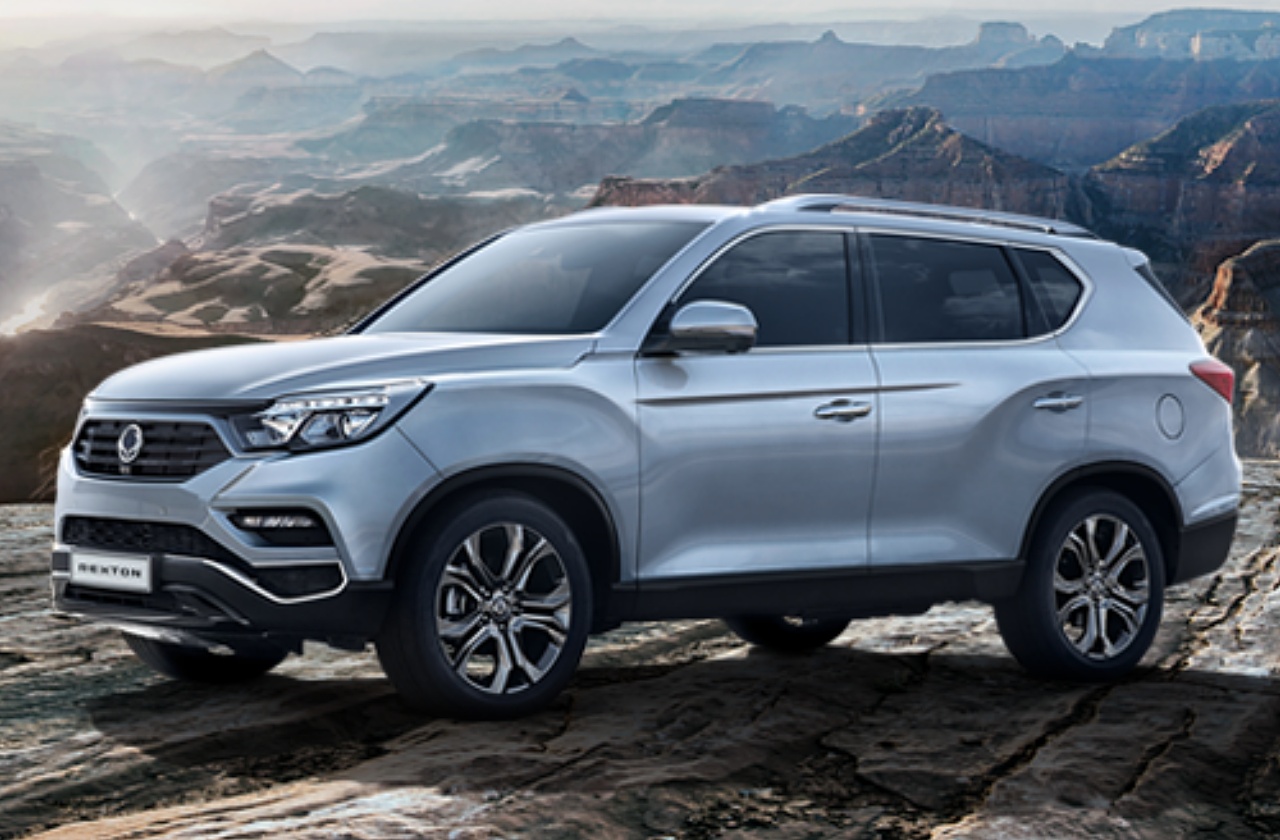
SsangYong Motor Co. revealed last week it is now free from the debt rescheduling program as the Seoul Bankruptcy Court ruled there is no more obstacle to the execution of the company’s rehabilitation plan. The court made the decision since the South Korea-based automaker has already repaid most of the rehabilitation security rights and claims amounting to KRW351.7 billion or around $267 million.
"The company has paid all the debts owed to financial institutions as scheduled under its rehabilitation plan," the carmaker’s spokesperson said.
The court also said SsangYong Motor has around KRW290.7 billion in funds for its operation. The firm’s sales also improved after it introduced its new Torres SUV model this year.
Additionally, it also formed its new board of directors, which apparently has a positive impact on the company. With the good developments, the company managed to emerge from the court receivership after 19 months.
Korea Joongang Daily reported that the automobile manufacturer has been placed under court receivership since April of last year. This happened because SsangYong Motor’s parent company, Mahindra & Mahinda, was not able to find new investors as the business was on a decline after suffering from financial issues that were only getting worst amid the COVID-19 pandemic.
It was in August when the bankruptcy court approved the company’s debt payment plans. This was after the court chose the KG Group-led consortium as the final bidder for the acquisition of SsangYong Motor in June.
In the last decade, SsangYong Motor already went through two rounds of court receivership. In 2004, China’s SAIC Motor Corp., Ltd. purchased a 51% share in the company, but it gave up its control over SsangYong in 2009 at the heels of a financial crisis that was affecting businesses worldwide. Eventually, the company was placed under court receivership for the first time, as per Yonhap News Agency.
In 2011, India’s Mahindra & Mahindra automotive manufacturer invested KRW523 billion to purchase a 70% stake in SsangYong. Its stake ownership increased to 74.65%, but as of Sept. 28, KG Group has become the biggest stakeholder with 61.88%, while Mahindra now owns just 10.15%, with the remainder being owned by other investors.







