


 Dollar Steadies Ahead of ECB and BoE Decisions as Markets Turn Risk-Off
  Every generation thinks they had it the toughest, but for Gen Z, they’re probably right
  Oil Prices Slide on US-Iran Talks, Dollar Strength and Profit-Taking Pressure
  Glastonbury is as popular than ever, but complaints about the lineup reveal its generational challenge
  Office design isn’t keeping up with post-COVID work styles - here’s what workers really want
  Gold Prices Slide Below $5,000 as Strong Dollar and Central Bank Outlook Weigh on Metals
  Washington Post Publisher Will Lewis Steps Down After Layoffs
  The ghost of Robodebt – Federal Court rules billions of dollars in welfare debts must be recalculated
  Russian Stocks End Mixed as MOEX Index Closes Flat Amid Commodity Strength
  What’s the difference between baking powder and baking soda? It’s subtle, but significant
  Why financial hardship is more likely if you’re disabled or sick
  Nasdaq Proposes Fast-Track Rule to Accelerate Index Inclusion for Major New Listings
  Trump Backs Nexstar–Tegna Merger Amid Shifting U.S. Media Landscape
  Missouri Judge Dismisses Lawsuit Challenging Starbucks’ Diversity and Inclusion Policies
  Once Upon a Farm Raises Nearly $198 Million in IPO, Valued at Over $724 Million
  Disaster or digital spectacle? The dangers of using floods to create social media content


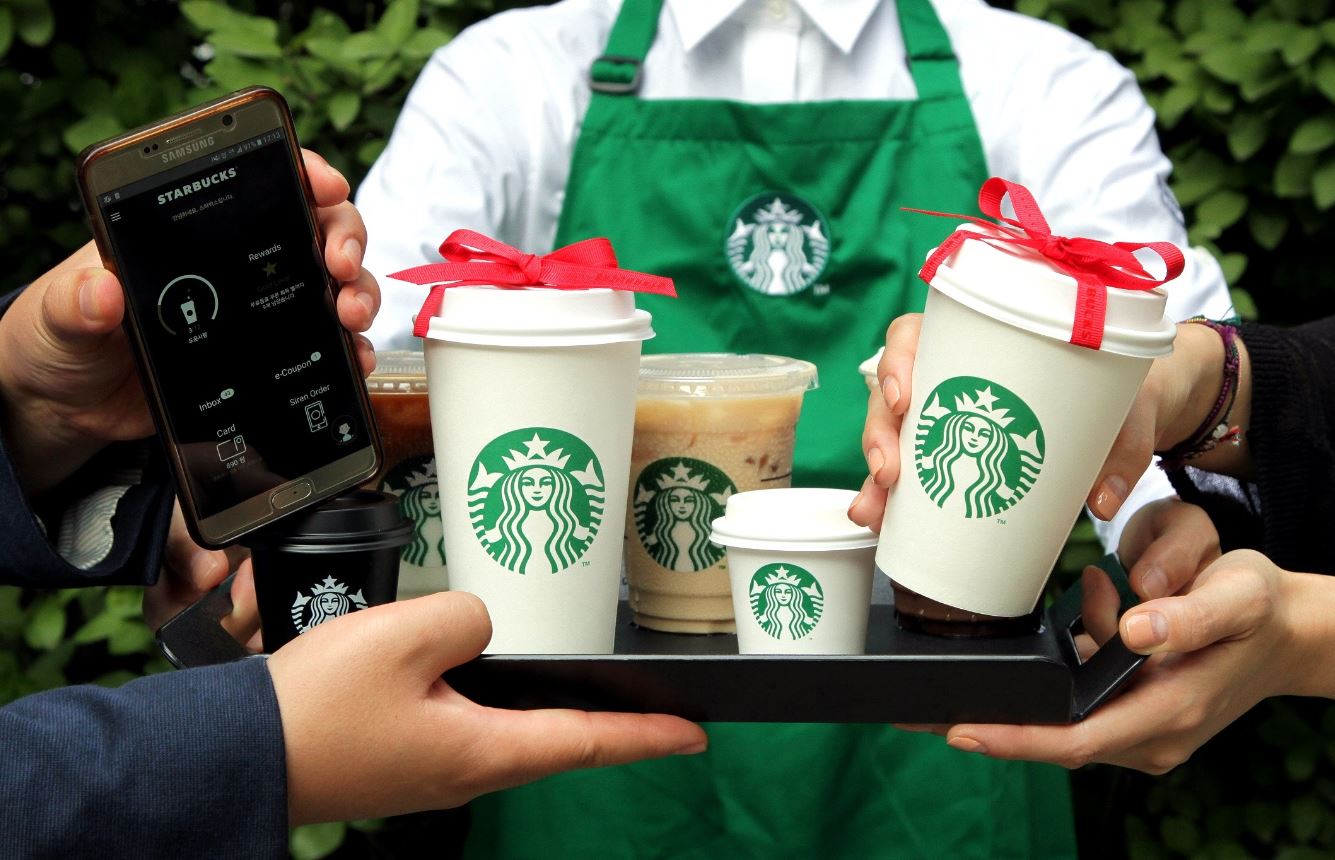
Starbucks Korea vowed to explain the issue of its prepaid card system not returning the remaining credit after the five-year expiration date.
According to a Starbucks Korea official, they have endeavored to explain the issue in all its coffee shops but there has been confusion at some of its branches.
Customers have been urging the American coffeehouse chain to change its terms.
An office worker surnamed Seo complained that it is not right for Starbucks to take their money placed in their cards, adding that none of the banks or financial services or department stores do this.
Starbucks stipulates the prepaid charging service will cause unused funds to disappear or eventually go to the company after five-year expiration date. It pointed out that they compensate the balance on new cards issued when customers request a refund.
The initial deposits of 2.1 billion won when the prepaid card system was first introduced back in 2009 has soared 90 times in 10 years. The launch of the "silent order" service in 2014, which let customers order drinks online with money deposited in their cards, was instrumental in dramatically increasing the amount of "forgotten money."
With about 5 to 6 percent deposited in prepaid cards left unused every year and local customers having deposited over 200 billion won this year, Starbucks' windfall is expected to surge to 12 billion won in the next five years.













