


 Florida Seeks Tougher Meta Rules to Protect Young Users
  CFTC Moves to Set New Crypto Rules After CLARITY Act Failure
  US Grants Aurora Five-Year Exemption for Self-Driving Trucks
  California Leads Lawsuit Over Trump’s $810 Million Funding Cuts
  Trump Plans Diesel Tax Relief as Fuel Prices Hit Record Highs
  CNN, MS NOW and Politico Sue Trump Over White House Media Ban
  Supreme Court Takes Up Exxon, Suncor Climate Case
  Mexico Bars Dual Citizens From Presidential Races Starting in 2028
  Australia Probes Flydubai Co-Pilot’s Links After FZ1073 Hijack Attempt
  Crypto Rallies as CLARITY Act Failure Opens Door to Faster SEC Rules
  Illinois Delays Crypto Tax Law Until July 2027
  Second DOJ Lawyer Exits Trump Probe
  EU Gives Crypto Platforms Three Months to Remove USDT Under MiCA Rules
  Circle Urges EU to Revise MiCA Stablecoin Rules
  US Government Moves $1 Billion in Bitcoin Amid Sale Speculation
  Najib Razak Seeks Stay of 15-Year 1MDB Prison Sentence
  San Francisco Halts New Data Center Construction With 45-Day Moratorium


 Add as a preferred source on Google
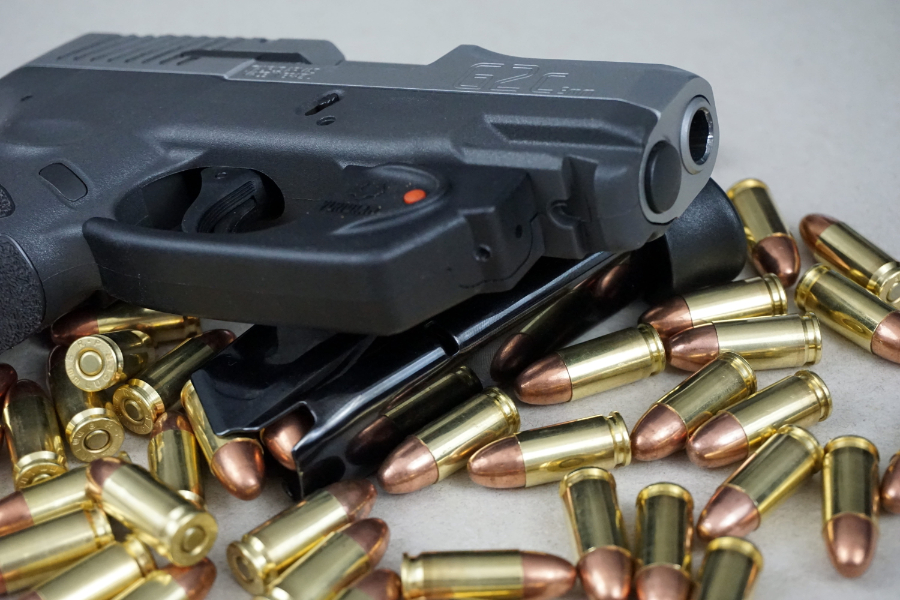
Conservative justices on the U.S. Supreme Court signaled strong skepticism toward a Hawaii law that restricts carrying handguns on private property open to the public without explicit permission from property owners, suggesting the court may once again expand gun rights. The case, argued on Tuesday, centers on whether Hawaii’s 2023 law violates the Second Amendment right to keep and bear arms.
Hawaii’s statute requires individuals with concealed-carry licenses to obtain “express authorization” before bringing handguns onto private property such as retail stores, restaurants, and other businesses open to the public. The law was enacted after Democratic Governor Josh Green signed it in response to the Supreme Court’s landmark 2022 decision in New York State Rifle & Pistol Association v. Bruen, which strengthened protections for carrying firearms outside the home.
Challengers to the law include three Hawaii residents with concealed-carry permits and a Honolulu-based gun rights group, supported by the Trump administration’s Justice Department. They argue the law effectively nullifies the Bruen ruling by presuming firearms are banned from most public-facing private property unless owners explicitly allow them.
During oral arguments, conservative justices repeatedly questioned whether Hawaii’s approach unfairly treats the Second Amendment as a lesser constitutional right. Chief Justice John Roberts and Justice Samuel Alito both expressed concern that the law imposes burdens not applied to other rights, such as free speech under the First Amendment. Justice Brett Kavanaugh also doubted whether historical firearm regulations support Hawaii’s restrictions.
Hawaii’s attorney, Neal Katyal, argued the law properly balances gun rights with long-standing property rights, emphasizing that the Constitution does not imply consent to carry weapons onto someone else’s property. However, conservative justices appeared unconvinced, particularly when Katyal cited post-Civil War “Black codes” as historical analogies, drawing sharp criticism from Justice Neil Gorsuch.
The court’s liberal justices largely defended Hawaii’s position. Justice Sonia Sotomayor questioned whether any constitutional right exists to carry firearms on private property without consent, while Justice Ketanji Brown Jackson emphasized that the Bruen test requires a comprehensive view of history, even if that history is uncomfortable.
A federal judge initially blocked the law, but the 9th U.S. Circuit Court of Appeals mostly upheld it, leading to the Supreme Court review. The court is expected to issue a decision by the end of June, a ruling that could significantly shape the future of gun laws nationwide.







