


 Goldman AM Sees Strong Buyout Opportunities in Japan, South Korea and Australia
  OpenAI GPT-5.6 Set for Wider Release After U.S. Commerce Approval, Report Says
  SK Hynix Prices Record U.S. ADR Offering at $149 After $200 Billion Investor Demand
  Levi Strauss Raises 2026 Outlook After Q2 Earnings Beat, Shares Drop Despite Strong Results
  Kitron Q2 Revenue Beats Estimates as Defense Demand Lifts Growth
  Texas Man Charged After Fatal Tesla Full Self-Driving Crash in Katy
  UBS Starts CarTrade Tech With Buy Rating, Sees Strong Earnings Growth and ₹4,000 Target
  Samsung Chairman Lee Jae-yong Expected to Meet Nvidia CEO Jensen Huang on AI and Chip Partnership
  LG Energy Solution Q2 Profit Plunges 77% Despite Revenue Growth on Weak EV Demand
  SK Hynix Soars 13% in Nasdaq Debut After Record $26.5 Billion IPO
  SoftBank Corp Partners With Sierra to Expand AI Customer Support Across Japan
  Nvidia Tightens AI Chip Sales in Asia With Stricter Customer Approval Process
  Brazil Court Bars Flavio Bolsonaro From Visiting Jair Bolsonaro Ahead of Election
  Nvidia Invests $500M in Firmus Technologies Ahead of Planned ASX IPO
  Bain Capital Exits Kioxia After AI-Fueled Valuation Surge
  US Appeals Court Limits ICE Detention Without Bond Hearings After 90 Days
  Yaskawa Electric Shares Slide as Weak Profit Overshadows Strong AI Demand


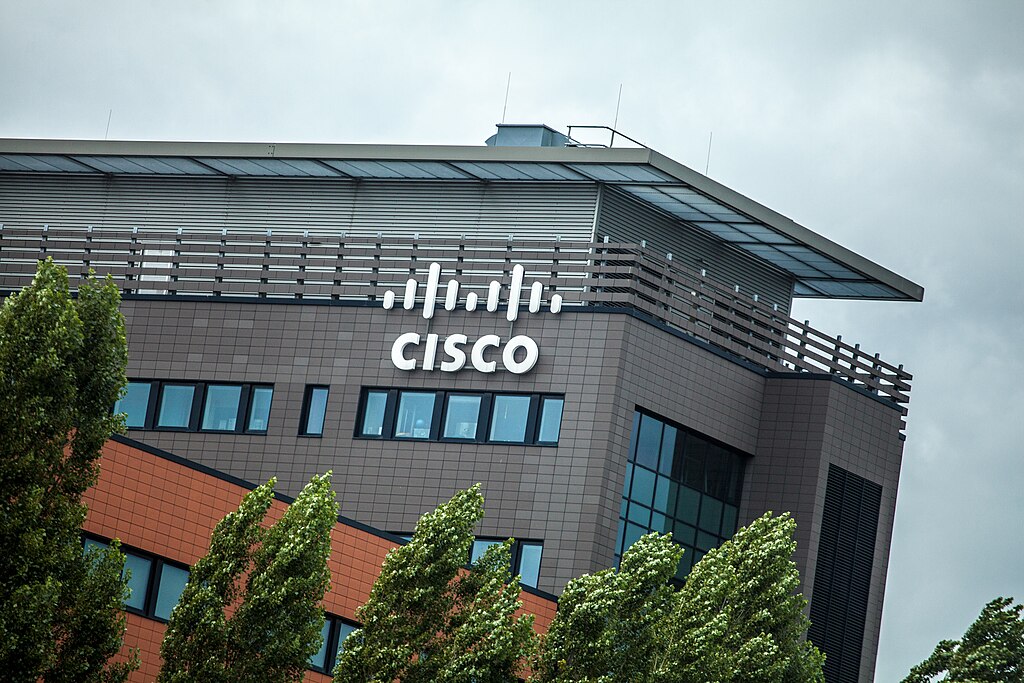
The U.S. Supreme Court has agreed to hear an appeal by Cisco Systems that could significantly reshape how American companies are held liable for alleged human rights abuses committed overseas. The case centers on the scope of the Alien Tort Statute (ATS), a 1789 federal law that has increasingly been used in recent decades to bring international human rights lawsuits in U.S. courts.
Cisco is appealing a 2023 ruling by the 9th U.S. Circuit Court of Appeals that revived a lawsuit first filed in 2011. The suit accuses the California-based technology company of knowingly developing and supplying surveillance technology that enabled the Chinese government to track, detain, and allegedly torture members of the Falun Gong spiritual movement. Plaintiffs argue that Cisco’s actions amounted to “aiding and abetting” serious human rights violations, including torture, arbitrary detention, and extrajudicial killings.
The lawsuit relies on both the Alien Tort Statute and the Torture Victim Protection Act (TVPA), a 1991 law allowing civil suits in U.S. courts against individuals involved in torture abroad. Plaintiffs allege Cisco executives facilitated abuses by helping design and implement China’s “Golden Shield,” a sophisticated internet surveillance system used to suppress dissidents.
Cisco has strongly denied the allegations, calling the claims unfounded and offensive. The company argues it sold technology to China that was legal under U.S. trade policy and maintains it did not participate in or intend to support human rights abuses. The Trump administration has backed Cisco’s appeal, urging the Supreme Court to limit the reach of the Alien Tort Statute, particularly as applied to U.S. corporations.
The case has a long procedural history. A federal judge dismissed it in 2014, citing insufficient connection to the United States. However, the 9th Circuit reversed course in 2023, finding the plaintiffs plausibly alleged Cisco knowingly provided essential assistance with awareness of likely abuses.
The Supreme Court is expected to hear oral arguments and issue a ruling by the end of June. The decision could have far-reaching implications for corporate liability, human rights litigation, and the future use of the Alien Tort Statute against U.S. companies operating abroad.







