


 Venezuela Appoints Felix Plasencia to Lead Foreign Relations and Trade
  DOJ Subpoenas New York Times Journalists Over Air Force One Leak Report
  US-Iran Strikes Escalate as Strait of Hormuz Crisis Pushes Oil Prices Higher
  Iran Says It Closes Strait of Hormuz After Warning Shot at Vessel
  Apple Challenges India Antitrust Probe, Says CCI Copied Rivals’ Claims in App Store Case
  Israel Sets October 27 Election as Netanyahu Faces Tough Political Test
  DOJ Seeks Dismissal of Gautam Adani Bribery Case, Citing Foreign Scope
  Judge Orders $5.8 Million Payment to E. Jean Carroll After Trump Loses Appeal Bid
  US Egg Producers Settle Price Manipulation Probe, Agree to Pay $3.3 Million and Donate 53 Million Eggs
  Iran's Supreme Leader Vows Revenge as Trump Threatens Massive U.S. Military Response
  Wolfspeed Sues Navitas Over GaN and SiC Patent Infringement
  EU Ministers Split as Support Grows for Ban on Trade With Israeli West Bank Settlements
  Sara Duterte Impeachment Trial Opens, Putting 2028 Philippine Election in Focus
  Trump Administration Hands Over Key Evidence in Minnesota Immigration Shooting Investigations
  Apple Sues OpenAI, Former Employees Over Alleged Trade Secret Theft
  ICC Says Darfur War Crimes Probe Reaches Breakthrough in Sudan Investigation


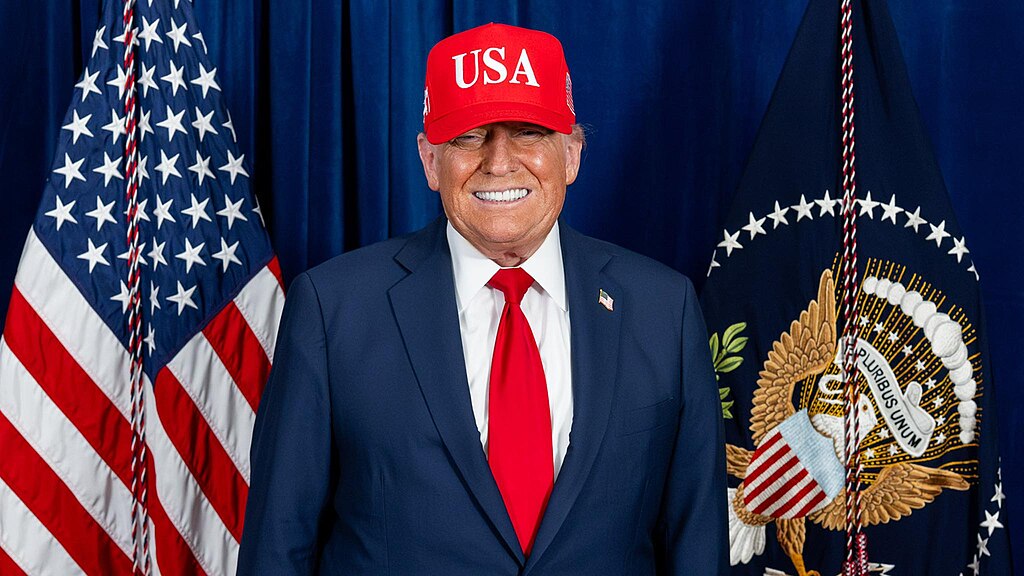
The U.S. Supreme Court has agreed to examine the legality of President Donald Trump’s directive aimed at restricting birthright citizenship, a move that could redefine a long-standing interpretation of the 14th Amendment. The decision to hear the case follows a Justice Department appeal challenging a lower court ruling that blocked Trump’s order, which instructed federal agencies not to recognize citizenship for children born in the United States unless at least one parent is a U.S. citizen or lawful permanent resident.
The lower court concluded that the directive violated both the 14th Amendment and federal law, prompting a class-action lawsuit from affected families. The Supreme Court is expected to hear arguments this term, with a ruling anticipated by June. The executive order, signed on Trump’s first day of his second term, reflects his continued efforts to tighten both legal and illegal immigration—policies that have repeatedly sparked national debate and accusations of discrimination.
For more than a century, the 14th Amendment has been widely interpreted to guarantee citizenship to nearly all babies born on U.S. soil. However, the Trump administration contends that this protection should not extend to children of undocumented immigrants or individuals in the country temporarily, such as students or workers on visas. Supporters of the policy argue it addresses issues like illegal immigration and so-called “birth tourism,” while critics maintain that no president has the authority to alter constitutional guarantees.
Challengers emphasize that the Supreme Court settled the matter in the 1898 Wong Kim Ark case, affirming that children born in the U.S. to non-citizen parents are citizens. They also cite federal laws that codify this longstanding interpretation. The Supreme Court’s decision to take up the case before lower appeals courts weighed in underscores its national importance.
This ruling could significantly impact immigration law, federal authority, and the future of birthright citizenship in America.







