


 RBI Rate Hike Bets Surge as Inflation Rises
  BlackRock’s Rick Rieder Favors Bonds Over Stocks as Treasury Yields Surge
  Fed’s Hammack Says Bond Yield Surge Is Not Driven by Inflation Fears
  Fed Minutes Signal Another Rate Hike by Year-End
  FxWirePro: Daily Commodity Tracker - 21st March, 2022
  RBI Uses $10 Billion Currency Swaps to Drain Excess Rupee Liquidity
  BOJ Signals Faster Rate Hikes as Inflation Risks Grow


 Add as a preferred source on Google
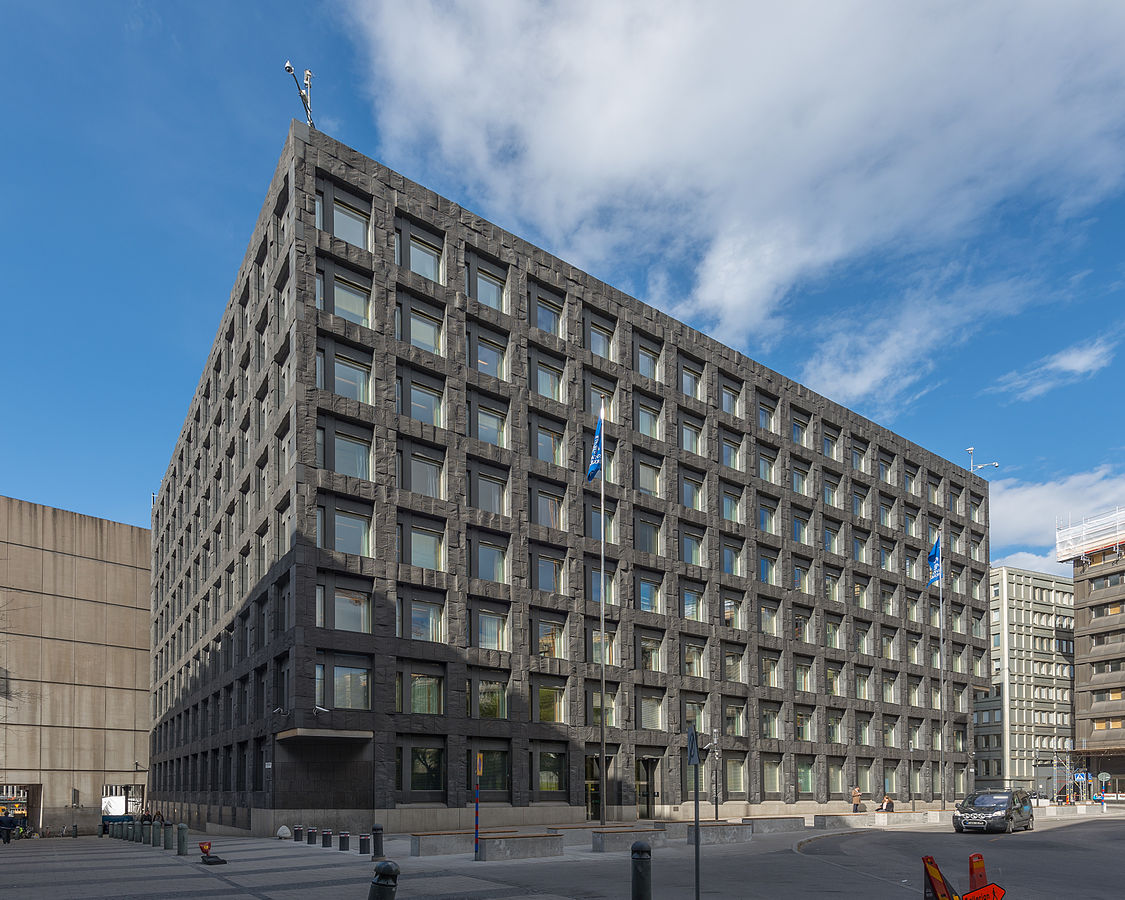
Riksbank is now concentrating on FX because it is worried that the non-FX tools are not much efficient in raising the credit multiplier and are leading funds towards low yield investments resulting in real estate and capital market disturbance.
Non-FX policy option consists of increasing buying SEK denominated assets, lowering the deposit rate below the current reading of -0.35%, or the central bank lending directly to firms sidestepping commercial banks.
"The Riksbank's apparent shift away from using domestically focused tools is a sign of economic weakness not of strength", says Societe Generale.
Riksbank's intervention might be seen as a chance to purchase cheap SEK on a dip by the investors. At present, the balance sheet of the Swedish central bank is at a moderate 15% of the GDP, much lower than the levels of other central banks.







