


 Anthropic Eyes $350 Billion Valuation as AI Funding and Share Sale Accelerate
  Nvidia Confirms Major OpenAI Investment Amid AI Funding Race
  Elon Musk’s Empire: SpaceX, Tesla, and xAI Merger Talks Spark Investor Debate
  Google Cloud and Liberty Global Forge Strategic AI Partnership to Transform European Telecom Services
  Jensen Huang Urges Taiwan Suppliers to Boost AI Chip Production Amid Surging Demand
  Instagram Outage Disrupts Thousands of U.S. Users
  SpaceX Pushes for Early Stock Index Inclusion Ahead of Potential Record-Breaking IPO
  OpenAI Expands Enterprise AI Strategy With Major Hiring Push Ahead of New Business Offering
  Nintendo Shares Slide After Earnings Miss Raises Switch 2 Margin Concerns
  TSMC Eyes 3nm Chip Production in Japan with $17 Billion Kumamoto Investment
  AMD Shares Slide Despite Earnings Beat as Cautious Revenue Outlook Weighs on Stock
  Nvidia, ByteDance, and the U.S.-China AI Chip Standoff Over H200 Exports
  Tencent Shares Slide After WeChat Restricts YuanBao AI Promotional Links
  Amazon Stock Rebounds After Earnings as $200B Capex Plan Sparks AI Spending Debate


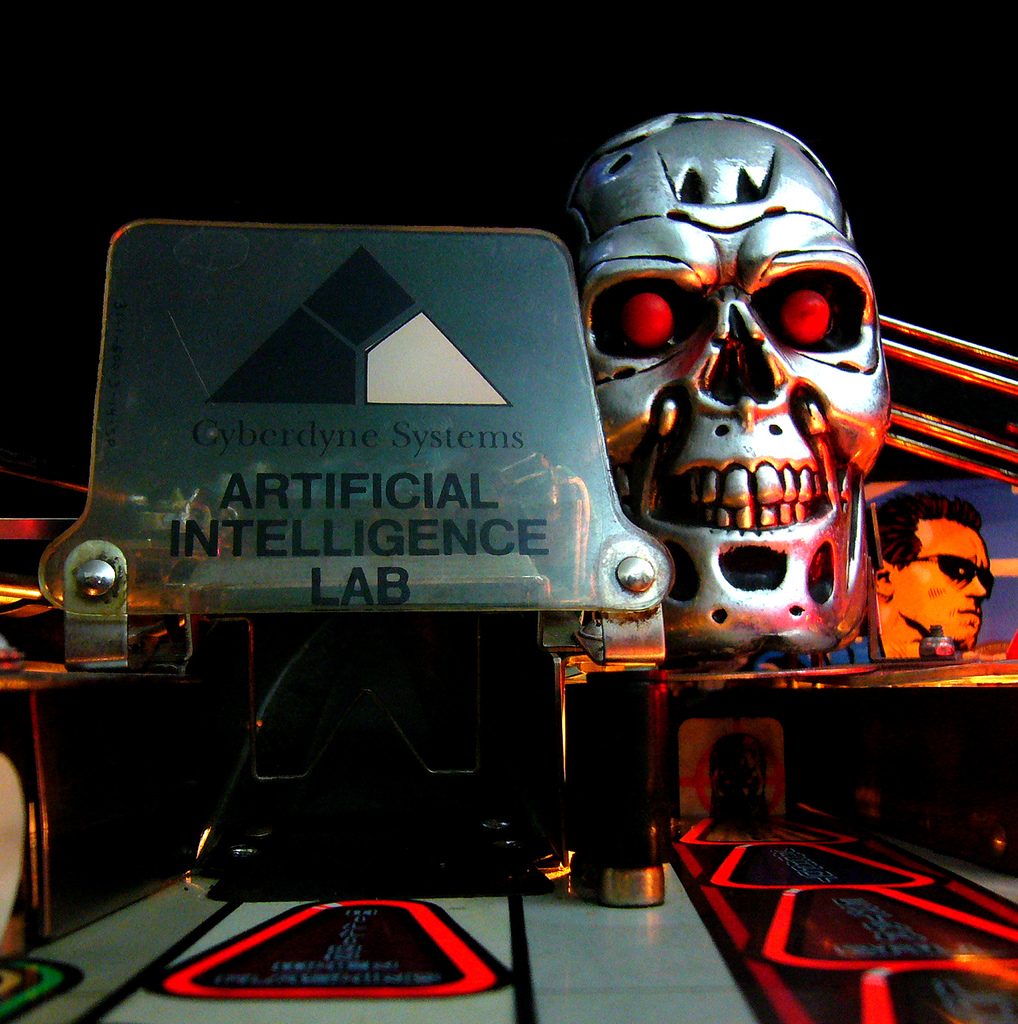
For most people who are afraid of what artificial intelligence can do, their fear mostly revolves around the possibility of machines taking over the world. However, the threat that is brought up less often is how AI is also accessible to terrorists. With hackers showing the world how vulnerable the internet can be and Elon Musk declaring that complex artificial intelligence could destroy the World Wide Web, the idea of extremists developing advanced AI to target countries is no long as farfetched as it sounds.
As Futurism notes, the greater public consciousness is often behind on the true capabilities of terrorists until it is staring them right in the face. Before 9/11, for example, bioterrorism wasn’t that popular of a topic. Immediately after the horrific incident, however, Anthrax fears rose in an enthralling crescendo.
Now, history repeats itself with the concept of AI terrorism, where extremists can use high-level, machine-learning technology and use it as a weapon to attack targets. If individuals could take down the internet with an army of toasters, a highly complex algorithm that can outthink humans could do significantly more damage.
For example, AIs could take over control of cars that are connected to the internet, and the same goes for military drones. This is a very real threat that is currently overshadowed by the many mundane concerns in the world, but it doesn’t make it any less real.
Then, there’s the long-standing fear that even tech giants have about AI, as Time listed. With names like Stephen Hawking, Bill Gates, and Elon Musk warning the world about the dangers of machines that could develop sentience, is it really worth ignoring their word?
More than that, there’s also the fact that AI can be a misnomer, Fortune notes. Aside from machines that can come to life and destroy mankind, AI can also refer to programs that have been given certain protocols that were refined over time to perform certain tasks. If that task just so happens to include stealing government secrets or crippling cyber security, it would still fit the bill.













