


 US Waives $320M Egypt Military Aid Conditions After Iran War Role
  Europol Warns Bitcoin Wallets Face Quantum Computing Risk
  Merz Warns of Extremism After AfD Gains Power in Saxony-Anhalt
  Mexico Bars Dual Citizens From Presidential Races Starting in 2028
  Iran Tanker Attacks Surge as Hormuz Oil Flows Near Prewar Levels
  US, Greece Launch New Counterterrorism Security Program
  US-Taiwan Ties Remain Strong as Taipei Urges Timely Arms Deliveries
  Russia Targets Danish Ukraine Suppliers in Sabotage Campaign
  OpenAI, Anthropic Back Mandatory AI Breach Reporting in Australia
  Florida Seeks Tougher Meta Rules to Protect Young Users
  Trump Opens Tax-Exempt Dyed Diesel Access as Fuel Prices Surge
  Kalshi Wins CFTC Approval for S&P 500 Perpetual Futures
  UK Warned Over Growing Reliance on US Cloud Providers
  Zcash Prepares for NU7 Upgrade as Zebra Gets Key Security Fixes
  Saudi Airport Attacks Kill Three as Yemen Fighting Escalates
  Micron Shares Rise 4% Despite Taiwan Strike Risk
  JPMorgan CEO Jamie Dimon Warns Mythos AI Raises Cyber Risk Tenfold


 Add as a preferred source on Google
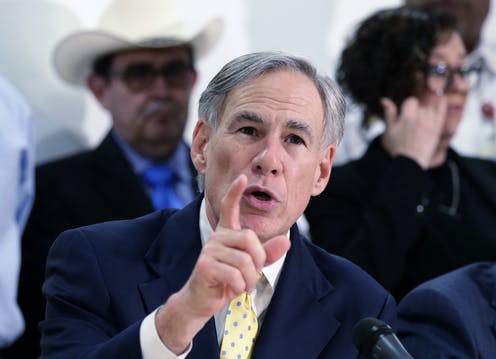
Texas Republicans are increasingly pushing for tougher AI data center regulations, highlighting a growing divide within the party as local opposition becomes a major issue ahead of the November elections.
Texas Governor Greg Abbott, who less than a year ago called the state the “epicenter of AI development,” is now seeking tighter restrictions on data centers, including eliminating tax incentives and limiting projects in rural communities. A state audit announced August 3 has also effectively paused approvals for new grid connections.
The shift puts Abbott at odds with President Donald Trump’s pro-AI agenda. Trump recently warned that communities opposing data centers could end up “backwards and poor.”
The political tension extends beyond Texas. Republican candidates in states including Michigan, Wisconsin and Pennsylvania have adopted stronger positions against data center expansion amid concerns about electricity costs, water consumption and limited local economic benefits.
Opposition is particularly significant in Texas, one of the largest U.S. markets for AI infrastructure and home to OpenAI’s flagship Stargate campus in Abilene. An August Texas Politics Project poll found just 30% of respondents supported having a data center in their community.
Texas Attorney General Ken Paxton, who is facing Democrat James Talarico in a competitive Senate race, has also unveiled proposals aimed at limiting the negative effects of data centers while maintaining U.S. competitiveness in artificial intelligence.
Democrats have sought to capitalize on the issue. Abbott’s opponent, Gina Hinojosa, has described data centers as “the fight of this election season.”
Meanwhile, major technology companies are spending heavily to counter growing public resistance. Election records and disclosures show the industry has poured more than $300 million into the midterms and launched advertising campaigns promoting the economic benefits of data centers.
Political groups connected to Anthropic have spent more than $2.6 million in Texas, while super PACs linked to OpenAI co-founder Greg Brockman have spent over $4.8 million. Meta has contributed about $1.4 million to a Texas-focused state political group.
The emerging bipartisan resistance shows how AI infrastructure and data center development have evolved from economic-growth priorities into significant election issues.







