


 Trump Administration Plans 100% Tariffs on Pharmaceutical Imports
  Microsoft Eyes $7B Texas Energy Deal to Power AI Data Centers
  MATCH Act Targets ASML and Chinese Chipmakers in New U.S. Export Crackdown
  Apple's Foldable iPhone Faces Engineering Setbacks, Mass Production Timeline at Risk
  OpenAI Executive Shake-Up Ahead of Anticipated 2026 IPO
  NASA's Artemis II Mission: First Crewed Lunar Journey Since Apollo
  Apple Turns 50: From Garage Startup to AI Crossroads
  Nanya Technology Shares Surge 10% After $2.5 Billion Private Placement from Sandisk and Cisco
  SoftwareONE Posts 22.5% Revenue Surge in 2025 on Crayon Acquisition
  UAE's Largest Natural Gas Facility Suspended After Attack-Triggered Fire
  Makemation: a Nollywood movie that shows AI in action in Africa
  Samsung Electronics Eyes Record Q1 Profit Amid AI-Driven Chip Boom
  TSMC Japan's Second Fab to Produce 3nm Chips by 2028
  Chinese Universities with PLA Ties Found Purchasing Restricted U.S. AI Chips Through Super Micro Servers
  SK Hynix Eyes Up to $14 Billion U.S. IPO to Fund AI Chip Expansion
  SpaceX Eyes Historic IPO at $1.75 Trillion Valuation


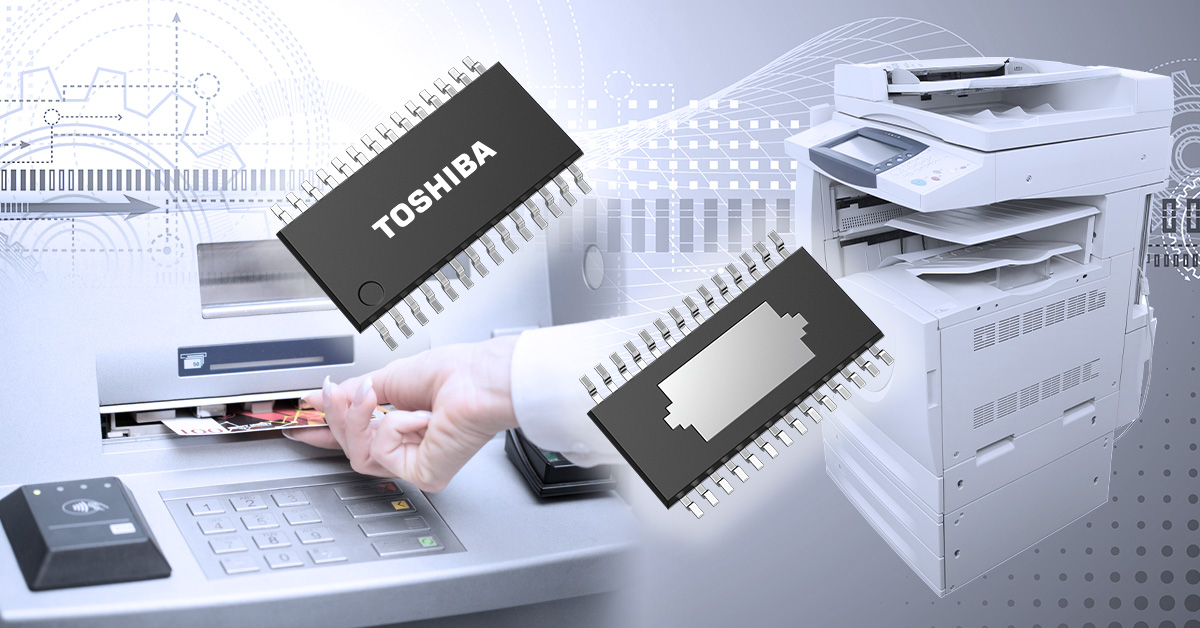
After a tumultuous period of scandal and upheaval, Japanese conglomerate Toshiba was delisted from the Tokyo exchange on Wednesday, marking the end of its 74-year run. This development follows a decade of challenges, culminating in a buyout by a group of investors led by private equity firm Japan Industrial Partners (JIP).
Reuters reported that the buyout, valued at $14 billion, signals a new chapter for Toshiba as it transitions into the hands of private investors.
A New Future Begins
Toshiba's delisting paves the way for a fresh start as the company takes a significant step toward an uncertain future with new shareholders. The conglomerate expressed gratitude for continuous understanding and support from stakeholders, emphasizing its commitment to forging a path forward, as per The Economic Times.
Under the stewardship of Chief Executive Taro Shimada, who will retain his position following the buyout, Toshiba is expected to focus on high-margin digital services. This move aligns with the support extended by Japan Industrial Partners, which had initially planned to collaborate with a state-backed fund. Industry insiders speculate that splitting up Toshiba may be a favorable alternative.
The Fallout from Bad Decisions
Damian Thong, head of Japan research at Macquarie Capital Securities, attributed Toshiba's difficulties to a combination of poor strategic decisions and unfortunate circumstances. Divestitures may offer a fresh start, unleashing the full potential of Toshiba's assets and human talent elsewhere.
Given Toshiba's significant workforce of approximately 106,000 people and the critical nature of some of its operations to national security, the Japanese government will closely monitor the situation. As part of the new management team, executives from Japan Industrial Partners, Orix, and Chubu Electric, along with a senior adviser from Sumitomo Mitsui Financial Group, will join the board.
Expanding Horizons and Emergence
Toshiba has wasted no time in seeking new opportunities. Already collaborating with Rohm, the company has invested $2.7 billion in manufacturing facilities for joint production of power chips. To improve profitability, Toshiba aims to exit lower-margin businesses and implement more robust commercial strategies around its advanced technologies, according to Ulrike Schaede, a professor of Japanese business at the University of California, San Diego.
Photo: Toshiba Newsroom







