


 Canada’s local food system faces major roadblocks without urgent policy changes
  The pandemic is still disrupting young people’s careers
  Trump Backs Nexstar–Tegna Merger Amid Shifting U.S. Media Landscape
  Washington Post Publisher Will Lewis Steps Down After Layoffs
  Youth are charting new freshwater futures by learning from the water on the water
  Ford and Geely Explore Strategic Manufacturing Partnership in Europe
  Tencent Shares Slide After WeChat Restricts YuanBao AI Promotional Links
  South Korea Assures U.S. on Trade Deal Commitments Amid Tariff Concerns
  Weight-Loss Drug Ads Take Over the Super Bowl as Pharma Embraces Direct-to-Consumer Marketing
  Once Upon a Farm Raises Nearly $198 Million in IPO, Valued at Over $724 Million
  TSMC Eyes 3nm Chip Production in Japan with $17 Billion Kumamoto Investment
  Russian Stocks End Mixed as MOEX Index Closes Flat Amid Commodity Strength
  6 simple questions to tell if a ‘finfluencer’ is more flash than cash
  Glastonbury is as popular than ever, but complaints about the lineup reveal its generational challenge
  Why have so few atrocities ever been recognised as genocide?
  American Airlines CEO to Meet Pilots Union Amid Storm Response and Financial Concerns
  The American mass exodus to Canada amid Trump 2.0 has yet to materialize


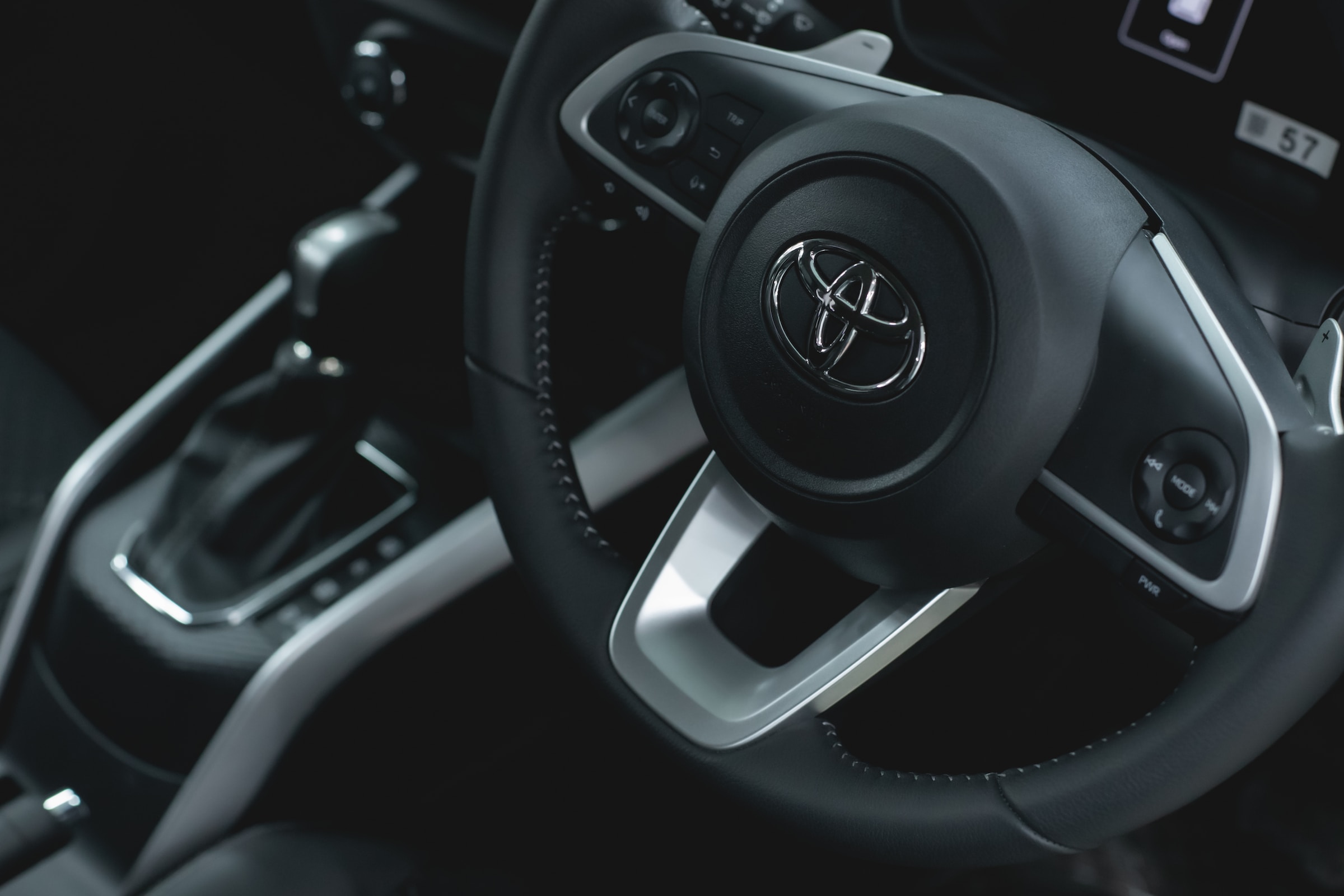
Toyota Motor's joint venture (JV) with Guangzhou Automobile Group in China has prematurely ended contracts for nearly 1,000 dispatch workers, highlighting the escalating price competition in the world's most significant auto market.
The JV, a collaboration between Toyota and China's state-owned Guangzhou Automobile Group (GAC), laid off these workers over the weekend. Reuters spoke to three workers who requested anonymity due to privacy concerns, and they confirmed that compensation was offered. These workers were originally employed through labor service companies and assigned to work at the factory in the southern city of Guangzhou.
In a statement provided to Reuters, Guangzhou Toyota Motor Co, the Toyota JV in China, explained that the termination of contracts for approximately 1,000 workers was due to recent production levels. The company is committed to complying with legal requirements by providing necessary economic compensation and offering detailed explanations to those affected.
The GAC Toyota factory, with an annual output capacity of 1 million vehicles, employs around 19,000 individuals, according to information available on its website. Among the models it produces are Camry, Levin, and bZ4X.
This development from Toyota follows a similar move by Mitsubishi Motors (7211.T) in July. Mitsubishi announced its intention to reduce staff costs at its joint venture with GAC in China to revitalize its business.
During an earnings call on Monday, Mitsubishi Motors Chief Executive Takao Kato informed reporters that the company had not yet reached an agreement with its local counterpart in China on the specifics of the restructuring plan. Kato also mentioned that the production of Mitsubishi's new Outlander model remains suspended, citing the "severe" conditions faced by the company in China.
Among automakers, Japanese brands experienced the largest sales decline in China during the first half of this year. According to the China Association of Automobile Manufacturers, their market share has decreased from nearly 20% to 14.9% compared to the previous year. Conversely, sales of Chinese brands accounted for 53% of the total.
To recover its sales in China, which had contracted by 9% in the first six months, Toyota has been relying on its electric vehicle (EV) models. The company initiated a price war, following Tesla's lead, and reduced the starting price of its bZ4X EV by 15% in February.
Photo: Neerob Raihan/Unsplash













