


 Trump Weighs FBI Probe Into Nolan Wells’ Death
  Pentagon Launches Autonomous Warfare Command
  Oil Prices Rise as Hormuz Risks Offset IEA Stock Release
  Lula Weighs Alckmin as Finance Minister to Boost Fiscal Credibility
  Iran Tanker Attacks Surge as Hormuz Oil Flows Near Prewar Levels
  SEC Investor Reform Validates Barry Silbert’s Tokenization Vision
  San Francisco Halts New Data Center Construction With 45-Day Moratorium
  Trump Plans Diesel Tax Relief as Fuel Prices Hit Record Highs
  US-Led Coalition Targets Global Factory Overcapacity
  Gold Prices Rise as Hormuz Tensions Fuel Inflation Risks
  Trump Rallies in Texas as Republicans Face Tight Midterm Races
  Crypto Market Selloff Wipes Out $100B as Bitcoin Falls Below $83K
  Dollar Near 18-Month High as Euro, Yen and Pound Weaken
  Gold Prices Fall as Fed Signals Another Rate Hike
  Saudi Arabia Probes Flydubai Cockpit Attack
  Zelenskiy Warns Russia Is Preparing Massive Attack on Ukraine
  Florida Seeks Tougher Meta Rules to Protect Young Users


 Add as a preferred source on Google
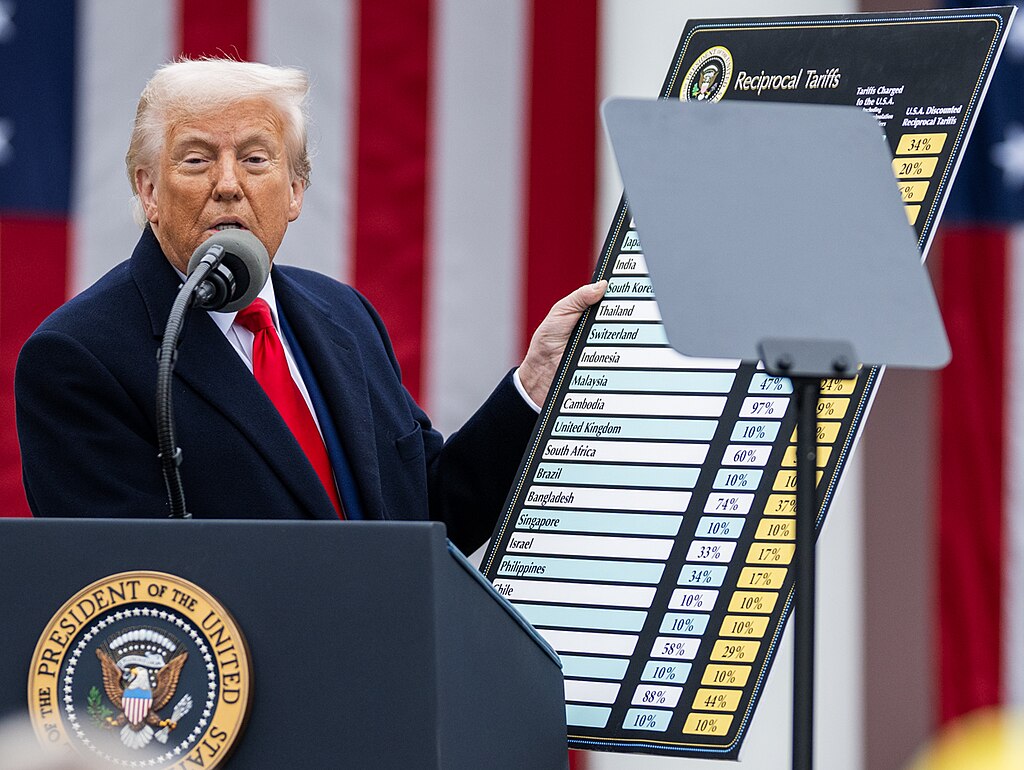
The Trump administration has imposed new tariffs of 10% and 12.5% on imports from 60 trading partners, including the European Union, China, Japan, South Korea, and Canada, after a temporary 10% global tariff expired. The new duties, which took effect at 12:01 a.m. EDT on Friday, are aimed at countries the U.S. says have failed to adequately enforce bans on goods produced with forced labor.
The tariffs were introduced under Section 301 of the Trade Act of 1974, allowing the White House to maintain a broad tariff framework after the U.S. Supreme Court struck down President Donald Trump’s earlier reciprocal tariffs imposed under emergency powers. According to the administration, the latest measures cover about 99.4% of U.S. imports, although key products such as oil and gas, fertilizer, certain food items, aircraft, critical minerals, and goods already subject to national security tariffs remain exempt.
U.S. Trade Representative Jamieson Greer said the United States has long enforced strict import bans on products made with forced labor and argued that trading partners should adopt similar standards. Officials also noted that countries with existing trade agreements that cap U.S. tariff rates would not face duties exceeding those negotiated limits.
The tariff structure assigns a 10% rate to countries including Britain, India, Indonesia, Malaysia, Mexico, Pakistan, Bangladesh, and Canada, while most of the remaining nations, including China and Vietnam, face a 12.5% duty. The European Union, Taiwan, Japan, South Korea, and Switzerland received adjusted rates that, when combined with existing most-favored-nation tariffs, total either 10% or 12.5%.
Several governments criticized the move. European Union foreign policy chief Kaja Kallas questioned the rationale behind targeting the bloc, citing its strong labor protections. Australia, Brazil, and Norway also rejected the tariffs, while Canada described them as unilateral but pledged to continue trade discussions with Washington.
Trade experts said the new tariffs are likely to face fewer legal challenges because Section 301 has survived previous court reviews. They also noted that the administration retains broad authority to modify the duties over time, making the policy a key part of President Trump’s strategy to preserve a baseline tariff on most U.S. imports while increasing pressure on trading partners over forced labor concerns.







