


 Micron Shares Rise 4% Despite Taiwan Strike Risk
  US Waives $320M Egypt Military Aid Conditions After Iran War Role
  Hegseth Praises USS Abraham Lincoln Crew After Record Iran War Deployment
  Saudi Arabia Probes Flydubai Cockpit Attack
  Russia Targets Danish Ukraine Suppliers in Sabotage Campaign
  San Francisco Halts New Data Center Construction With 45-Day Moratorium
  Amazon Cuts More Jobs as AI Investment Expands
  New York Declares Measles Disaster Emergency as Cases Surge
  UK Warned Over Growing Reliance on US Cloud Providers
  US Treasury Drops Crypto Wallet Tracking Plan
  Rapidus Seeks Chip Customers as Japan Pushes 2nm Semiconductor Revival
  Trump Says He Deserves 2026 Nobel Peace Prize Despite Uncertain Chances
  Trump Rallies in Texas as Republicans Face Tight Midterm Races
  Kalshi Wins CFTC Approval for S&P 500 Perpetual Futures
  Iran Refuses to Halt Uranium Enrichment Amid US Nuclear Demands
  SEC Investor Reform Validates Barry Silbert’s Tokenization Vision


 Add as a preferred source on Google
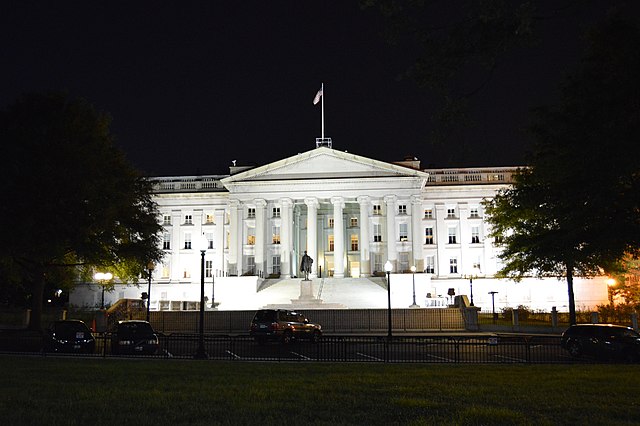
The administration of President Donald Trump has lifted U.S. sanctions on three executives previously linked to the controversial spyware consortium Intellexa, according to a notice published on the U.S. Treasury Department’s website. The decision marks a partial reversal of sanctions imposed last year under former President Joe Biden, which targeted seven individuals associated with the surveillance technology group.
Intellexa, founded by former Israeli intelligence official Tal Dilian, has been described by the U.S. government as a sprawling international network of decentralized companies involved in the development and sale of highly intrusive spyware tools. Chief among these tools is “Predator,” spyware that has been widely criticized for its alleged use against journalists, political figures, and government officials.
According to a U.S. official who spoke anonymously, the sanctions relief followed a standard administrative review process after the affected individuals submitted petitions for reconsideration. The official stated that the three executives demonstrated steps to distance themselves from Intellexa and its operations, which ultimately led to the decision to remove them from the sanctions list.
The individuals no longer sanctioned are Sara Hamou, accused by U.S. authorities of providing managerial services to Intellexa; Andrea Gambazzi, whose company allegedly held distribution rights for the Predator spyware; and Merom Harpaz, identified as a senior executive within the consortium. None of the three, nor their representatives, offered immediate public comment. Tal Dilian, who remains sanctioned, also declined to respond to inquiries.
Intellexa and its Predator spyware have been at the center of international controversy. In Greece, the software has been linked to an alleged surveillance scandal involving journalists and opposition figures. Separately, investigative reports in 2023 claimed that Vietnam attempted to use Intellexa’s tools to target members of the U.S. Congress. Dilian has previously denied wrongdoing in the Greek case and has not publicly addressed the allegations involving U.S. lawmakers.
When the original sanctions were announced in March of last year, the Treasury Department accused Intellexa of facilitating the spread of commercial spyware to authoritarian regimes and enabling covert surveillance against U.S. officials, journalists, and policy experts. While the recent move eases pressure on three individuals, the broader scrutiny of spyware companies and digital surveillance practices remains firmly in place.







