


 Mexico Bars Dual Citizens From Presidential Races Starting in 2028
  Saudi Arabia Probes Flydubai Cockpit Attack
  Illinois Delays Crypto Tax Law Until July 2027
  US, Greece Launch New Counterterrorism Security Program
  CFTC Moves to Set New Crypto Rules After CLARITY Act Failure
  EU Rejects Italy, Greece Calls for Fiscal Rule Flexibility
  Zelenskiy Criticizes US as Russian Strikes Kill 78 in Ukraine
  US Suspends Microsoft, Adobe From Green Card Program
  US Charges Maduro and Wife With Torture Conspiracy
  Tsai Warns of China’s Sustained Pressure on Taiwan
  Trump Orders Firing Squad Execution for Fort Hood Gunman
  San Francisco Halts New Data Center Construction With 45-Day Moratorium
  New York Declares Measles Disaster Emergency as Cases Surge
  Russia Targets Danish Ukraine Suppliers in Sabotage Campaign
  SEC Investor Reform Validates Barry Silbert’s Tokenization Vision
  Trump Weighs FBI Probe Into Nolan Wells’ Death
  Pentagon Orders Iran Strike Preparations as Trump Weighs Military Action


 Add as a preferred source on Google
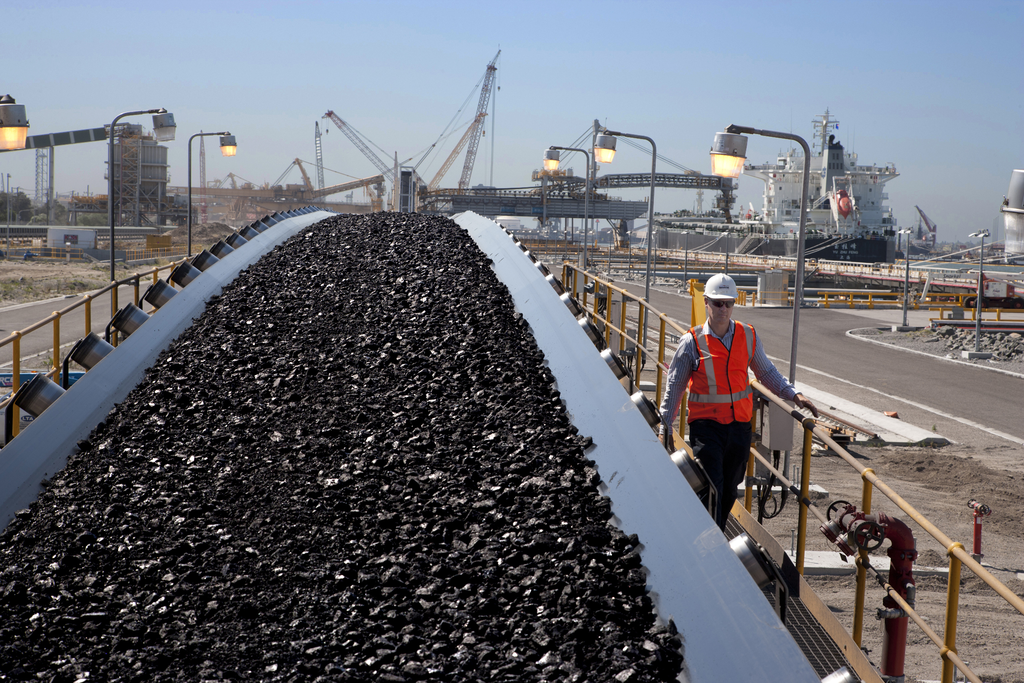
The U.S. Energy Secretary has signed an emergency order to keep a key coal-fired power unit at the TransAlta-owned Centralia Generating Station in Washington state operating through much of the winter, marking the latest effort by the Trump administration to bolster fossil fuel-based electricity generation. The order, signed on Tuesday, directs Unit 2 of the Centralia coal power plant to remain online until March 16, 2026, despite its previously scheduled shutdown at the end of 2025.
The decision reflects growing concerns within the federal government about electricity reliability as power demand surges across the United States. According to Energy Secretary Chris Wright, the administration anticipates that many coal plants nearing retirement will delay closure to help meet rising electricity needs, particularly those driven by artificial intelligence data centers and increased manufacturing activity. Wright told Reuters in September that federal officials have been in discussions with utilities nationwide and expect most of the several dozen U.S. coal plants slated for retirement to continue operating longer than planned.
Coal power remains one of the most carbon-intensive energy sources, releasing more carbon dioxide than any other fossil fuel when burned. Despite longstanding efforts to transition toward cleaner energy, U.S. coal power generation has increased this year as utilities respond to higher electricity demand tied to AI infrastructure, industrial expansion, and grid reliability concerns during peak seasons.
The move to keep the Centralia Generating Station running follows a similar intervention last month, when the Trump administration ordered the J.H. Campbell coal-fired plant in Michigan to stay open for a third time. That plant is now expected to operate through mid-February, even though its majority owner has stated that the delays have already resulted in tens of millions of dollars in additional costs.
Supporters argue that extending the life of coal plants helps stabilize the power grid during periods of high demand, while critics warn that continued reliance on coal undermines climate goals and increases greenhouse gas emissions. As artificial intelligence continues to drive unprecedented electricity consumption, the debate over coal, energy security, and environmental impact is likely to intensify.







