


 Italy Approves Electoral Reform Ahead of 2027 Election
  San Francisco Halts New Data Center Construction With 45-Day Moratorium
  Fairshake Backs 32 Pro-Crypto House Candidates
  Trump Weighs FBI Probe Into Nolan Wells’ Death
  Trump Plans Diesel Tax Relief as Fuel Prices Hit Record Highs
  US Grants Aurora Five-Year Exemption for Self-Driving Trucks
  US Suspends Microsoft, Adobe From Green Card Program
  Merz Warns of Extremism After AfD Gains Power in Saxony-Anhalt
  Illinois Delays Crypto Tax Law Until July 2027
  US Charges Maduro and Wife With Torture Conspiracy
  EU Gives Crypto Platforms Three Months to Remove USDT Under MiCA Rules
  Russia Targets Danish Ukraine Suppliers in Sabotage Campaign
  US-Led Coalition Targets Global Factory Overcapacity
  Marco Rubio Warns Russia-Ukraine War Could Spark Wider Conflict
  Saudi Arabia Probes Flydubai Cockpit Attack
  US, EU Push for Action Against Asia’s Excess Factory Capacity


 Add as a preferred source on Google
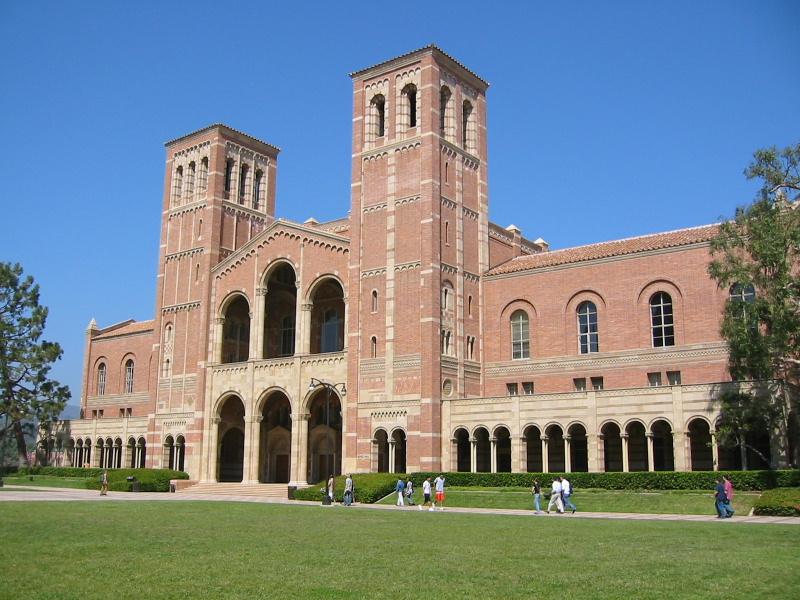
The Trump administration is pursuing a fresh approach to reshape U.S. higher education, shifting from threats to financial incentives in order to push its ideological agenda. On Wednesday, the White House sent a memo titled “A Compact for Academic Excellence in Higher Education” to nine prestigious universities, outlining a set of controversial requirements tied to federal funding eligibility.
The 10-point proposal suggests capping international undergraduate enrollment at 15%, banning race and sex considerations in hiring and admissions, and legally defining gender based on biological sex. It also calls for adoption of the Classic Learning Test as an alternative to the SAT and ACT, while urging the dismantling of university departments accused of suppressing conservative viewpoints.
The memo warns that institutions promoting values outside of the administration’s framework could lose access to federal benefits, while compliant schools would be rewarded. To ensure enforcement, participating universities would need to hire independent auditors, with results reviewed by the Justice Department.
The initiative follows the administration’s repeated clashes with universities over free speech, diversity, climate change, pro-Palestinian protests, and transgender policies. Previous threats to cut federal funds from schools such as Harvard and UCLA faced legal barriers, prompting this shift toward financial “carrots” laced with punitive undertones.
Critics argue the compact undermines academic freedom and amounts to a “loyalty oath.” Todd Wolfson, president of the American Association of University Professors, condemned the move, while the Foundation for Individual Rights and Expression warned that government favoritism in speech sets a dangerous precedent.
The White House confirmed the memo was sent to Vanderbilt, Dartmouth, the University of Pennsylvania, the University of Southern California, MIT, the University of Texas, the University of Arizona, Brown, and the University of Virginia. Responses were mixed—while some schools said they were reviewing the document, the University of Texas expressed enthusiasm for collaboration.
The push highlights the administration’s ongoing campaign to assert unprecedented influence over higher education and its values, raising concerns about long-term impacts on academic independence.







