


 US Conducts Non-Nuclear Explosion Test to Boost Nuclear Detection
  Merz Warns of Extremism After AfD Gains Power in Saxony-Anhalt
  Marco Rubio Warns Russia-Ukraine War Could Spark Wider Conflict
  Mexico Bars Dual Citizens From Presidential Races Starting in 2028
  France to Release 10 Million Barrels of Diesel to Ease Fuel Prices
  US, EU Push for Action Against Asia’s Excess Factory Capacity
  San Francisco Halts New Data Center Construction With 45-Day Moratorium
  UK Warned Over Growing Reliance on US Cloud Providers
  Saudi Arabia Probes Flydubai Cockpit Attack
  US Grants Aurora Five-Year Exemption for Self-Driving Trucks
  Trump Orders Firing Squad Execution for Fort Hood Gunman
  US-Led Coalition Targets Global Factory Overcapacity
  Tsai Warns of China’s Sustained Pressure on Taiwan
  Mike Rogers Calls for End to US-Canada Tariff War
  Illinois Delays Crypto Tax Law Until July 2027
  EU Gives Crypto Platforms Three Months to Remove USDT Under MiCA Rules


 Add as a preferred source on Google
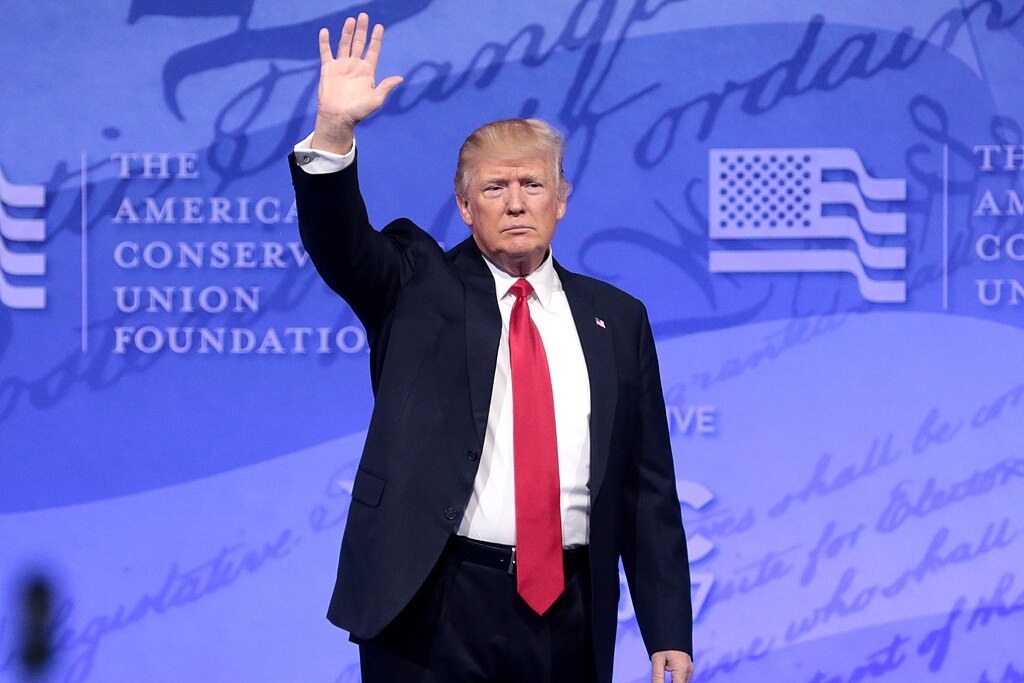
The Trump administration has formally asked the U.S. Supreme Court to review the constitutionality of President Donald Trump’s executive order aimed at ending birthright citizenship, according to a report from CNN. The controversial order, issued on January 20—the same day Trump returned to office—seeks to restrict automatic citizenship for children born in the United States unless at least one parent is an American citizen or a lawful permanent resident holding a green card.
Birthright citizenship has long been a cornerstone of U.S. immigration policy, rooted in the 14th Amendment, which grants citizenship to “all persons born or naturalized in the United States.” Trump’s executive order challenges this interpretation by directing federal agencies not to recognize the citizenship of U.S.-born children of undocumented immigrants or foreign nationals without legal status.
Supporters of the executive order argue that it addresses what they describe as abuses of the immigration system, claiming that birthright citizenship encourages “birth tourism” and creates unfair advantages for undocumented families. Critics, however, strongly oppose the move, arguing that it is unconstitutional and discriminatory. Immigration advocates warn that if the order is upheld, it could strip citizenship from thousands of U.S.-born children, creating stateless individuals and legal chaos.
The administration’s petition to the Supreme Court escalates an already heated legal battle, as lower courts are expected to weigh in before the nation’s highest court potentially makes a landmark ruling. Legal experts say the case could reshape immigration law and redefine the scope of the 14th Amendment in ways unseen for over a century.
As the debate continues, the issue of birthright citizenship remains one of the most divisive topics in American immigration policy. With the Supreme Court’s involvement, the future of this constitutional guarantee now hangs in the balance, making it a pivotal case with far-reaching consequences for families, immigrants, and the nation’s legal framework.







