


 US Suspends Microsoft, Adobe From Green Card Program
  US Charges Maduro and Wife With Torture Conspiracy
  Marco Rubio Warns Russia-Ukraine War Could Spark Wider Conflict
  Israel Tightens Pilot Security After Flydubai Incident
  Mexico Bars Dual Citizens From Presidential Races Starting in 2028
  Trump Rallies in Texas as Republicans Face Tight Midterm Races
  Italy Approves Electoral Reform Ahead of 2027 Election
  US Conducts Non-Nuclear Explosion Test to Boost Nuclear Detection
  US-Led Coalition Targets Global Factory Overcapacity
  US Government Moves $1 Billion in Bitcoin Amid Sale Speculation
  US-Taiwan Ties Remain Strong as Taipei Urges Timely Arms Deliveries
  Iran Refuses to Halt Uranium Enrichment Amid US Nuclear Demands
  Hegseth Praises USS Abraham Lincoln Crew After Record Iran War Deployment
  US Pressures Allies to Distance From Anti-Disinformation Conference
  OpenAI, Anthropic Back Mandatory AI Breach Reporting in Australia
  Trump Weighs FBI Probe Into Nolan Wells’ Death


 Add as a preferred source on Google
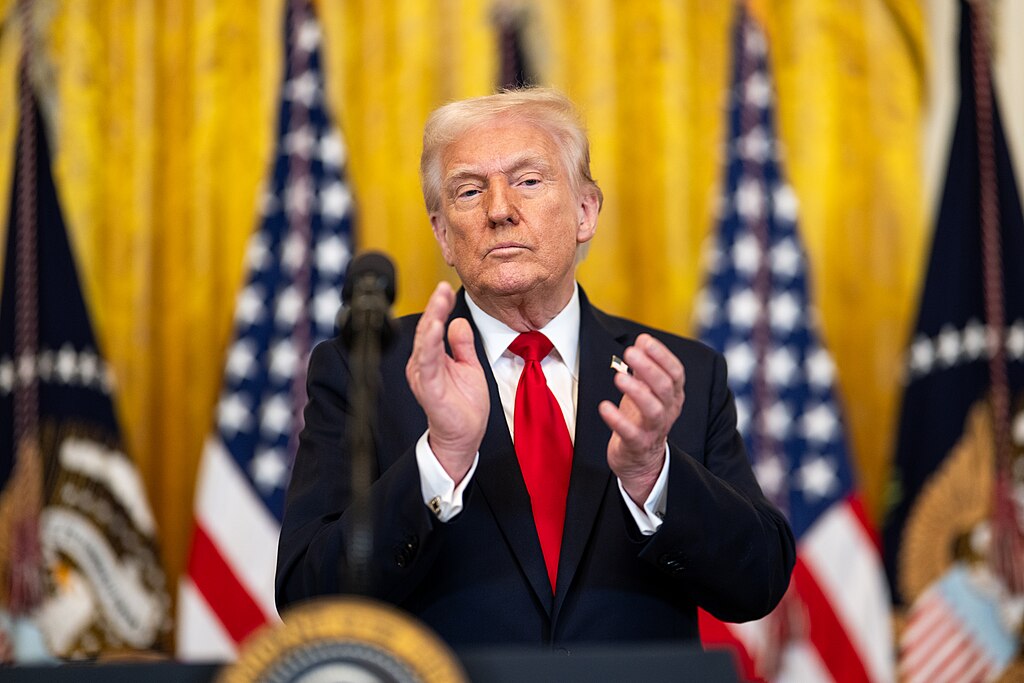
The Trump administration has officially introduced the “Trump Gold Card,” a premium visa program that offers non-U.S. citizens an expedited pathway to live and work in the United States—at a steep cost. Launched through Trumpcard.gov, the initiative invites applicants to pay a $15,000 processing fee to the Department of Homeland Security before undergoing required background checks. Once approved, participants must contribute an additional $1 million “gift” or “contribution” to secure the visa, which the administration describes as a stronger, more prestigious alternative to the traditional Green Card.
President Donald Trump touted the program as a superior immigration option, emphasizing that recipients must be “great people” and highlighting its enhanced pathway to U.S. residency. Commerce Secretary Howard Lutnick reported that roughly 10,000 individuals pre-registered, predicting that the program could eventually generate billions of dollars in revenue for the U.S. Treasury. According to Lutnick, the initiative aims to attract high-earning individuals who can positively impact the American economy, contrasting them with what he described as “average” Green Card holders—though he provided no evidence to support his claims.
This visa model mirrors wealth-based immigration programs used in other countries and aligns with Trump’s broader immigration strategy, which has simultaneously tightened restrictions on both legal and illegal immigration. The Gold Card program, however, serves as a revenue-generating counterbalance, echoing the administration’s view that high-value applicants can boost economic growth similar to how Trump claims tariffs have benefited the U.S.
Additionally, a corporate Gold Card option enables companies to fast-track employee visas for a $2 million contribution per worker, providing businesses a costly but expedited immigration route.
This premium visa program underscores the administration’s continued focus on monetizing immigration pathways while reshaping the nation’s broader immigration policies.







