


 Elon Musk Accuses Indian Telecom Giants of Blocking Starlink Launch
  LG Electronics Shares Slide as Q3 Profit Misses Estimates
  SpaceX Seeks $40 Billion for Nvidia AI Chips
  DogecoinVM Makes DOGE Transactions 300x Faster
  Crypto Rallies as CLARITY Act Failure Opens Door to Faster SEC Rules
  Huawei, Qualcomm Sign Multi-Year AI and 5G Patent Deal
  US Treasury Drops Crypto Wallet Tracking Plan
  Pentagon Launches Autonomous Warfare Command
  Russia Targets Danish Ukraine Suppliers in Sabotage Campaign
  CFTC Moves to Define Prediction Markets as Swaps
  Saudi Airport Attacks Kill Three as Yemen Fighting Escalates
  US-Led Coalition Targets Global Factory Overcapacity
  US, Greece Launch New Counterterrorism Security Program
  Maduro, Wife May Face New US Torture Charges
  US DOT Ends Airline Privacy Review Without Enforcement
  Anthropic Expands Claude Access for Cyber Defense Teams
  Iran Tanker Attacks Surge as Hormuz Oil Flows Near Prewar Levels


 Add as a preferred source on Google
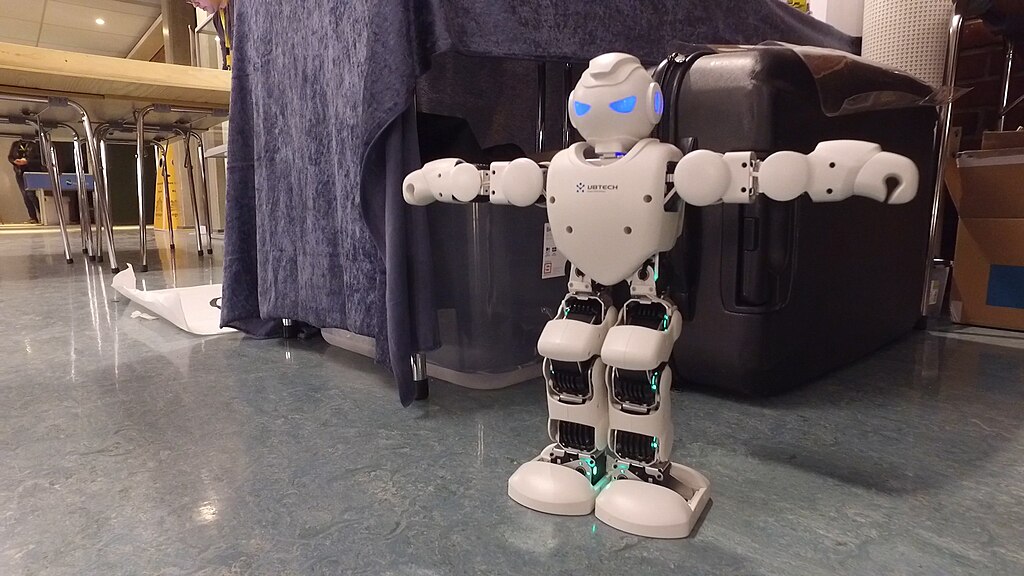
The Trump administration is set to introduce new restrictions on Chinese technology imports, targeting advanced robots and power inverters as part of a broader effort to strengthen U.S. national security and protect the country's artificial intelligence supply chain.
According to U.S. officials, the Federal Communications Commission (FCC) is expected to announce measures that prohibit the import of new Chinese-made humanoid and quadruped robots, along with connected power inverters. These inverters play a critical role in linking renewable energy systems, battery storage, and data center equipment to the power grid, making them increasingly important as AI infrastructure expands across the United States.
The move reflects the Trump administration's strategy to reduce dependence on Chinese technology in sectors considered vital to economic and national security. Officials argue that relying on Chinese-made equipment could expose U.S. infrastructure to cybersecurity risks, supply chain disruptions, and potential data theft, particularly as investments in AI, renewable energy, and advanced manufacturing accelerate.
Administration officials said the restrictions are designed to encourage domestic manufacturing while protecting critical technologies from foreign threats. The policy also aligns with broader efforts to reshore strategic industries and build secure supply chains for emerging technologies expected to drive future economic growth.
"The President has made clear that the United States must have independent and secure supply chains for critical and emerging technologies like robotic devices and power inverters," a Trump administration official said. The official added that the administration views economic security as a key component of national security and will continue implementing policies aimed at reindustrializing the United States.
The new import restrictions are part of a wider push by Washington to tighten oversight of Chinese technology in sensitive industries, particularly those connected to AI development, energy infrastructure, and advanced automation. As demand for AI-related equipment continues to surge, the administration is seeking to ensure that essential components are sourced from trusted suppliers while reducing potential security vulnerabilities.
The Chinese Embassy in Washington did not immediately respond to requests for comment on the planned measures.







