


 Hegseth Praises USS Abraham Lincoln Crew After Record Iran War Deployment
  US Pressures Allies to Distance From Anti-Disinformation Conference
  Illinois Delays Crypto Tax Law Until July 2027
  Mexico Bars Dual Citizens From Presidential Races Starting in 2028
  Pentagon Launches Autonomous Warfare Command
  Florida Seeks Tougher Meta Rules to Protect Young Users
  Trump Envoy Meets Sudan Army Chief in Egypt
  Mike Rogers Calls for End to US-Canada Tariff War
  Trump Rallies in Texas as Republicans Face Tight Midterm Races
  Crypto Rallies as CLARITY Act Failure Opens Door to Faster SEC Rules
  US-Taiwan Ties Remain Strong as Taipei Urges Timely Arms Deliveries
  Trump Plans Diesel Tax Relief as Fuel Prices Hit Record Highs
  Fairshake Backs 32 Pro-Crypto House Candidates
  Lula Weighs Alckmin as Finance Minister to Boost Fiscal Credibility
  Houthis Strike Aden Airport as Yemen Fighting Escalates
  Lincoln University Students Sue Missouri Over Decades of Underfunding
  Trump Says He Deserves 2026 Nobel Peace Prize Despite Uncertain Chances


 Add as a preferred source on Google
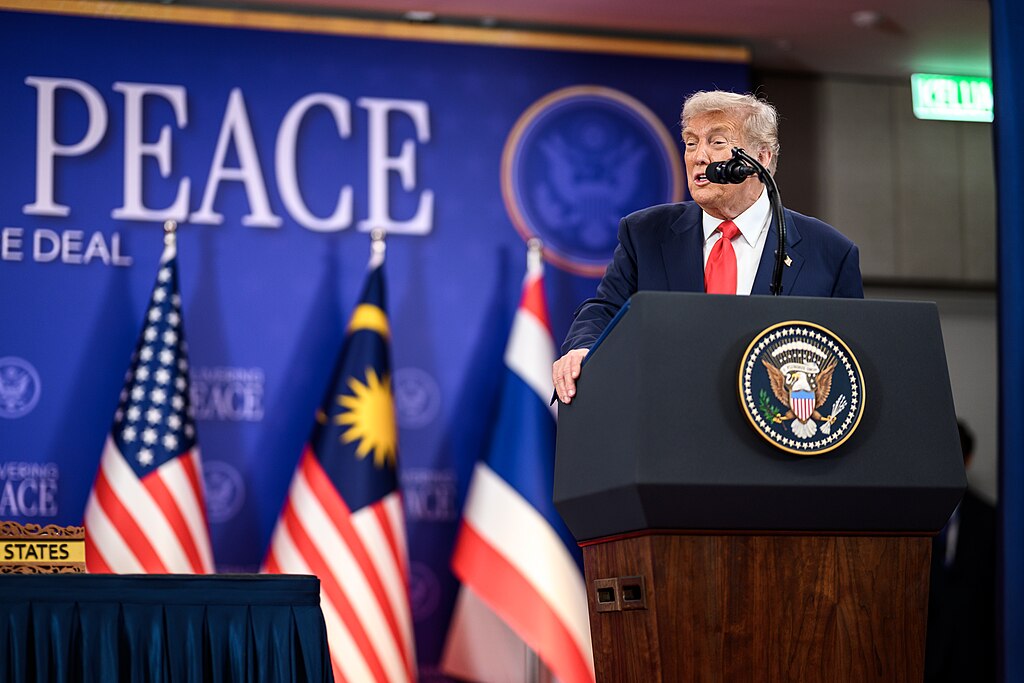
President Donald Trump has agreed to wind down the controversial immigration enforcement effort known as “Operation Metro Surge” in Minnesota, marking a rare policy reversal amid mounting protests and bipartisan criticism. The announcement was made by White House border czar Tom Homan, who confirmed that many of the immigration agents deployed to the state will return to their home jurisdictions within the coming week.
Operation Metro Surge, described by Trump as the largest deportation operation in U.S. history, brought approximately 3,000 armed immigration agents to Minnesota by late January. The move was intended to accelerate migrant deportations and strengthen public safety. However, the operation sparked intense opposition from Minnesota Governor Tim Walz, Minneapolis Mayor Jacob Frey, and thousands of residents who staged large-scale protests across major cities.
Tensions escalated after two U.S. citizens, Renee Good and Alex Pretti, were fatally shot by federal immigration agents during separate incidents in Minneapolis. The deaths deepened the political crisis surrounding the deportation surge and drew scrutiny from federal judges, who reprimanded Immigration and Customs Enforcement (ICE) officials for allegedly defying court orders related to detainee releases.
Public opinion also appeared to shift. Reuters/Ipsos polling in January indicated declining support for Trump’s immigration agenda as enforcement actions expanded nationwide. Even some Republican lawmakers voiced concerns, including Senator Rand Paul, who criticized administration officials for initially labeling the two deceased Americans as “domestic terrorists,” warning that such statements undermined public trust.
Before the surge, Minnesota had about 150 immigration agents. A week ago, Homan announced that 700 agents would be withdrawn, and he has now confirmed that additional personnel will leave. State leaders remain cautious, with ongoing investigations into federal actions during the operation.
While the administration cites improved coordination with Minnesota law enforcement, local officials argue cooperation was already in place. Community advocates say the social and economic impact of the deportation surge will linger, even as the federal presence scales back.







