


 Houthis Strike Aden Airport as Yemen Fighting Escalates
  Saudi Airport Attacks Kill Three as Yemen Fighting Escalates
  Crypto Lobbying Hits $13M as Clarity Act Stalls
  Vance Demands Iran Cut Nuclear Enrichment to End War
  Zelenskiy Warns Russia Is Preparing Massive Attack on Ukraine
  Florida Seeks Tougher Meta Rules to Protect Young Users
  TSA Removes Chairs for Airport ID Check Officers
  France to Release 10 Million Barrels of Diesel to Ease Fuel Prices
  Circle Urges EU to Revise MiCA Stablecoin Rules
  Trump Orders Firing Squad Execution for Fort Hood Gunman
  SEC Investor Reform Validates Barry Silbert’s Tokenization Vision
  Trump Backs Florida Golf Course as Presidential Retreat
  Maduro, Wife May Face New US Torture Charges
  Australia Probes Flydubai Co-Pilot’s Links After FZ1073 Hijack Attempt
  Mexico Bars Dual Citizens From Presidential Races Starting in 2028
  New York Declares Measles Disaster Emergency as Cases Surge
  North Korea Slams US Taiwan Arms Sales, Reaffirms Russia Support


 Add as a preferred source on Google
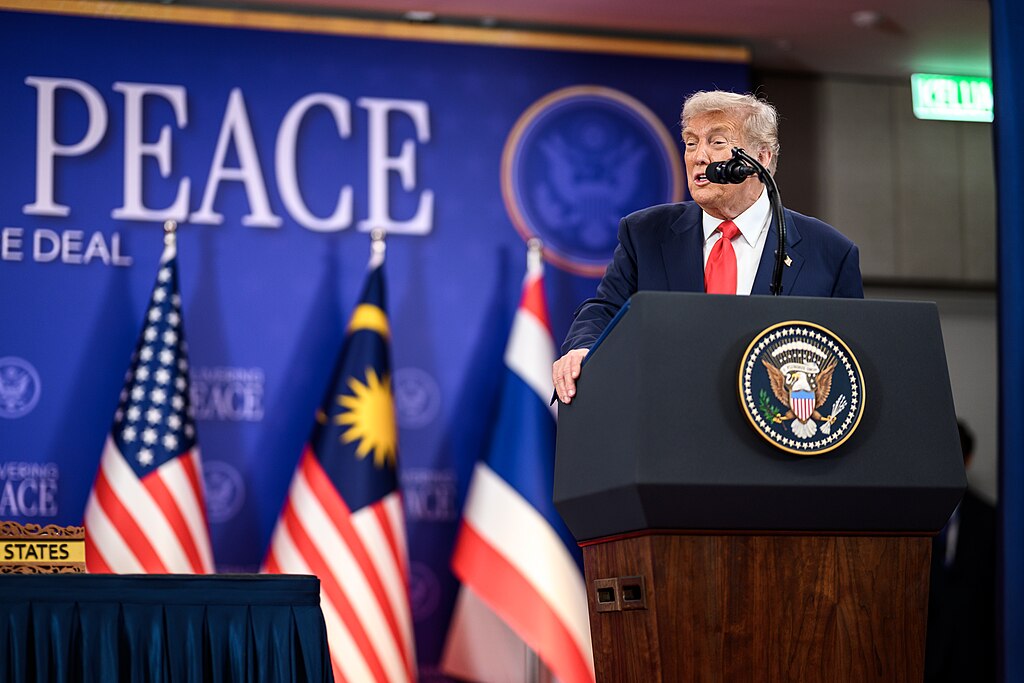
U.S. President Donald Trump has signed a sweeping executive order expanding sanctions against Cuba, intensifying pressure on the island’s government and its international partners. According to White House officials, the new measures aim to penalize individuals, companies, and organizations that support Cuba’s security apparatus or are involved in corruption and human rights abuses.
The updated sanctions framework broadens the scope to include “any foreign person” operating in critical sectors of the Cuban economy. These sectors include energy, defense, financial services, metals and mining, and other key industries. The order also introduces secondary sanctions, meaning non-U.S. companies and financial institutions could face penalties if they conduct or facilitate transactions with sanctioned Cuban entities. This marks a significant escalation in U.S. foreign policy toward Cuba, potentially affecting global businesses with ties to the island.
While specific targets have not yet been disclosed, experts say the move could have far-reaching consequences. Jeremy Paner, a former U.S. Treasury sanctions investigator, noted that companies that previously separated their Cuban operations from U.S. activities may no longer be shielded from penalties. Industries such as oil, gas, and banking are expected to feel the immediate impact.
Cuba’s Foreign Minister Bruno Rodriguez strongly criticized the sanctions, calling them “unilateral coercive measures” that violate international law and the United Nations Charter. He argued that the actions are designed to impose collective hardship on the Cuban population, emphasizing that Cuba will not be intimidated.
The sanctions come amid heightened geopolitical tensions, with the Trump administration linking Cuba to hostile foreign alliances and security concerns near U.S. borders. In recent months, the U.S. has also taken aggressive actions against Venezuela, including cutting off oil exports to Cuba, which has worsened fuel shortages on the island. These shortages have contributed to widespread blackouts and disruptions, including reduced airline operations.
The latest sanctions highlight the administration’s broader strategy to isolate Cuba economically and politically while pressuring it to implement reforms.







