


 Trump Opens Tax-Exempt Dyed Diesel Access as Fuel Prices Surge
  US Treasury Drops Crypto Wallet Tracking Plan
  Mike Rogers Calls for End to US-Canada Tariff War
  OpenAI, Anthropic Back Mandatory AI Breach Reporting in Australia
  Iran Tanker Attacks Surge as Hormuz Oil Flows Near Prewar Levels
  SEC Investor Reform Validates Barry Silbert’s Tokenization Vision
  Illinois Delays Crypto Tax Law Until July 2027
  France to Release 10 Million Barrels of Diesel to Ease Fuel Prices
  Trump Rallies in Texas as Republicans Face Tight Midterm Races
  Lincoln University Students Sue Missouri Over Decades of Underfunding
  Crypto Lobbying Hits $13M as Clarity Act Stalls
  Saudi Airport Attacks Kill Three as Yemen Fighting Escalates
  Saudi Arabia Probes Flydubai Cockpit Attack
  Vance Demands Iran Cut Nuclear Enrichment to End War
  Trump Says He Deserves 2026 Nobel Peace Prize Despite Uncertain Chances
  Fairshake Backs 32 Pro-Crypto House Candidates
  TSA Removes Chairs for Airport ID Check Officers


 Add as a preferred source on Google
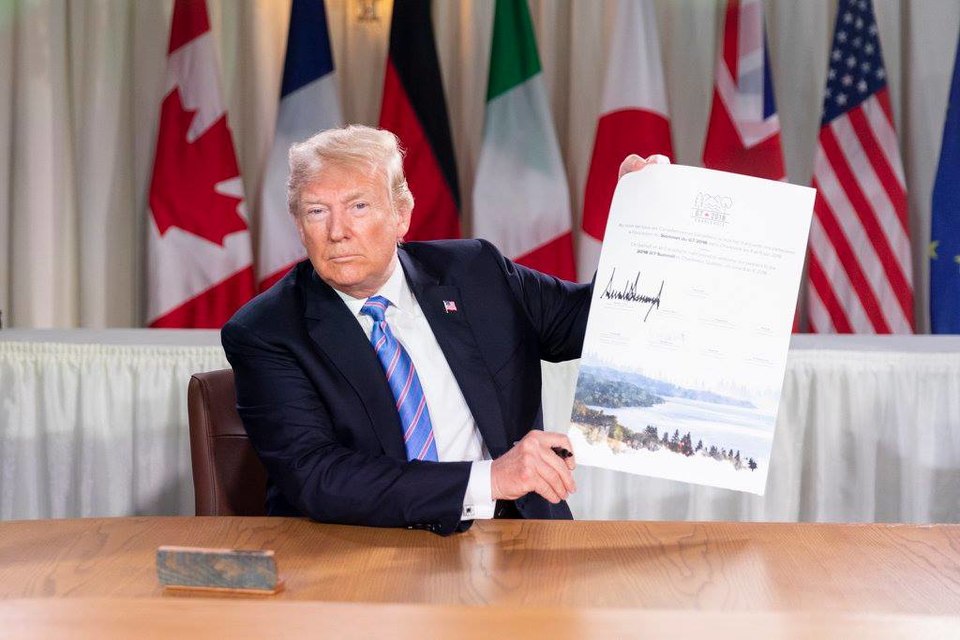
President Donald Trump’s proposed tariffs targeting countries accused of failing to combat forced labour are drawing criticism from trade experts, business organizations, and human rights advocates, who argue the measures may do little to reduce modern slavery and could potentially worsen the problem.
The Trump administration has proposed new import duties of 10% to 12.5% on goods from 60 countries, claiming these nations have not taken sufficient action against products linked to forced labour. The proposal emerged from a Section 301 investigation by the Office of the U.S. Trade Representative (USTR), aimed at restoring emergency tariffs that were invalidated by the U.S. Supreme Court earlier this year.
Critics argue the tariffs are more closely tied to trade policy than to genuine efforts to eliminate forced labour. Ram Ben Tzion, CEO of shipment-screening platform Publican, said the measure appears to be a new justification for imposing trade tariffs rather than a meaningful solution to labour exploitation.
According to the International Labour Organization (ILO), approximately 27.6 million people worldwide are trapped in forced labour, with nearly half of the cases linked to export-driven industries such as manufacturing, agriculture, mining, construction, and fishing.
The European Union has become a major focus of the U.S. criticism. Washington argues that the EU’s Forced Labour Regulation, scheduled to take effect in December 2027, sets a higher threshold for proving violations than U.S. regulations. However, the European Commission rejected the accusations, calling the proposed tariffs unjustified and reaffirming its commitment to existing trade agreements with the United States.
Experts also dispute claims that EU rules are weaker. Legal specialists note that the EU framework will ban products made with forced labour regardless of origin, while countries such as Germany and France have already implemented national supply chain due diligence laws.
Human rights organizations warn that tariffs based on trade volume rather than the severity of labour abuses may fail to address the root causes of modern slavery. Human Rights Watch and other advocacy groups argue that the approach could create political resistance instead of encouraging reforms.
While governments continue searching for ways to combat forced labour in global supply chains, many experts believe targeted enforcement, stronger corporate accountability, and comprehensive due diligence laws are likely to be more effective than broad tariff measures.







