


 Jack Lang Resigns as Head of Arab World Institute Amid Epstein Controversy
  Russian Stocks End Mixed as MOEX Index Closes Flat Amid Commodity Strength
  U.S. Stock Futures Slide as Tech Rout Deepens on Amazon Capex Shock
  Gold Prices Slide Below $5,000 as Strong Dollar and Central Bank Outlook Weigh on Metals
  Silver Prices Plunge in Asian Trade as Dollar Strength Triggers Fresh Precious Metals Sell-Off
  China Warns US Arms Sales to Taiwan Could Disrupt Trump’s Planned Visit
  U.S.-India Trade Framework Signals Major Shift in Tariffs, Energy, and Supply Chains
  India–U.S. Interim Trade Pact Cuts Auto Tariffs but Leaves Tesla Out
  Asian Stocks Slip as Tech Rout Deepens, Japan Steadies Ahead of Election
  Netanyahu to Meet Trump in Washington as Iran Nuclear Talks Intensify
  Trump Allows Commercial Fishing in Protected New England Waters
  Trump Signs Executive Order Threatening 25% Tariffs on Countries Trading With Iran
  Global Markets Slide as AI, Crypto, and Precious Metals Face Heightened Volatility
  Oil Prices Slide on US-Iran Talks, Dollar Strength and Profit-Taking Pressure
  Dollar Steadies Ahead of ECB and BoE Decisions as Markets Turn Risk-Off
  Trump Backs Nexstar–Tegna Merger Amid Shifting U.S. Media Landscape
  Trump Signs “America First Arms Transfer Strategy” to Prioritize U.S. Weapons Sales


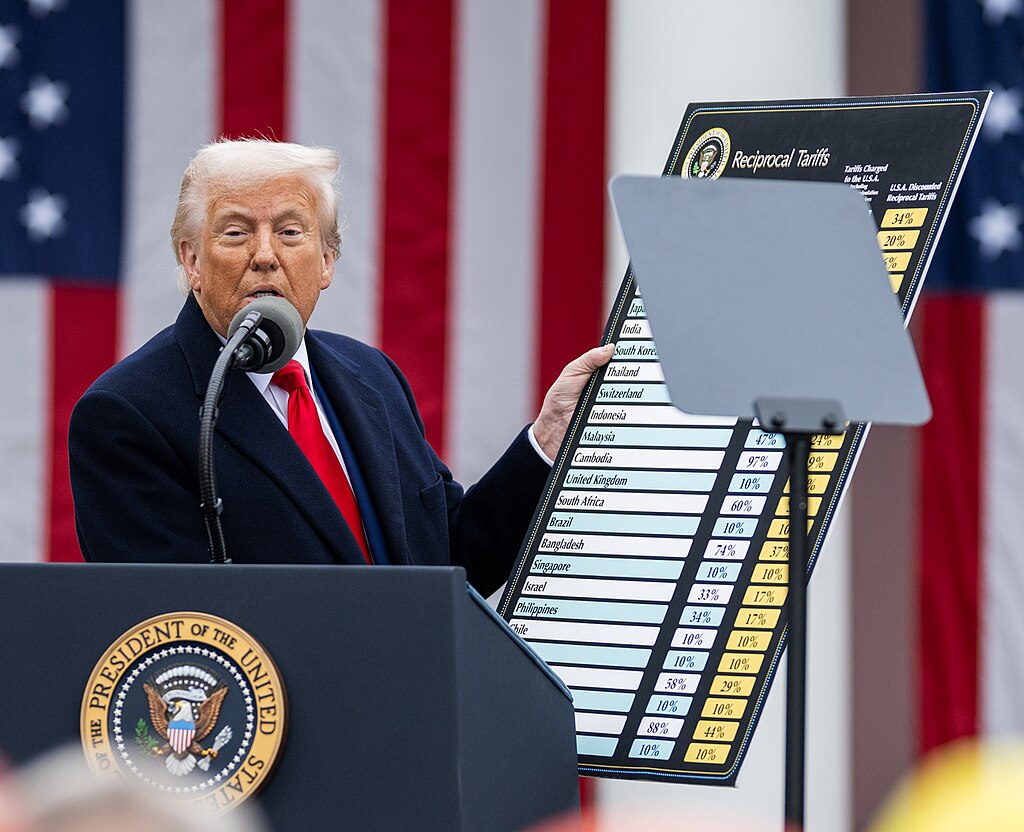
President Donald Trump announced sweeping new tariffs aimed at addressing what he calls “unfair trade practices” by foreign nations. Starting April 5, a baseline 10% reciprocal tariff will be imposed on all imported goods into the United States. Countries imposing higher tariffs or non-tariff barriers on U.S. exports will face additional levies starting April 9, with rates reaching up to half the value of those they impose on American goods.
Trump emphasized the move as a strategy to restore U.S. manufacturing strength and rebalance global trade. “Reciprocal means they do it to us, we do it to them,” he said during a Rose Garden speech. The policy includes tariffs based on not just existing duties, but also currency manipulation and hidden trade barriers like the EU's VAT.
China, which imposes a 67% tariff on U.S. products, will be hit hardest, facing a new 34% tariff, on top of an existing 20% duty, raising the total to 54%. Other countries like the UK and Brazil, which charge a 10% tariff on U.S. goods, will face a 10% matching tariff under the baseline policy.
In addition, the 25% tariffs on imported automobiles and auto parts will take effect at midnight. Mexico and Canada will also face 25% duties on goods not compliant with the U.S.-Mexico-Canada Agreement, while the steel and aluminum tariffs remain in force.
The move triggered concerns about a global trade war, with U.S. stock futures dropping—S&P 500 down 1.6%. China, Japan, and South Korea have signaled plans for a joint response, while EU President Ursula von der Leyen warned of “strong retaliation” if necessary.
The administration claims the tariffs will boost domestic production, reduce trade deficits, and lead to lower prices through increased competition.













