


 OpenAI, Anthropic Back Mandatory AI Breach Reporting in Australia
  US, EU Push for Action Against Asia’s Excess Factory Capacity
  Florida Seeks Tougher Meta Rules to Protect Young Users
  US Treasury Yields Ease After Strong 10-Year Auction as Global Bonds Struggle
  Maduro, Wife May Face New US Torture Charges
  Tsai Warns of China’s Sustained Pressure on Taiwan
  Hegseth Praises USS Abraham Lincoln Crew After Record Iran War Deployment
  Merz Warns of Extremism After AfD Gains Power in Saxony-Anhalt
  US Suspends Microsoft, Adobe From Green Card Program
  Iran Refuses to Halt Uranium Enrichment Amid US Nuclear Demands
  San Francisco Halts New Data Center Construction With 45-Day Moratorium
  Asian Currencies Mixed as Yen Weakens, Dollar Holds Firm
  Saudi Arabia Probes Flydubai Cockpit Attack
  European Stocks Fall as Oil Rises Ahead of Fed Minutes
  Fairshake Backs 32 Pro-Crypto House Candidates
  Wall Street Falls as Fed Minutes Signal Another Rate Hike
  UK House Prices Flat in September as Mortgage Rates Weigh


 Add as a preferred source on Google
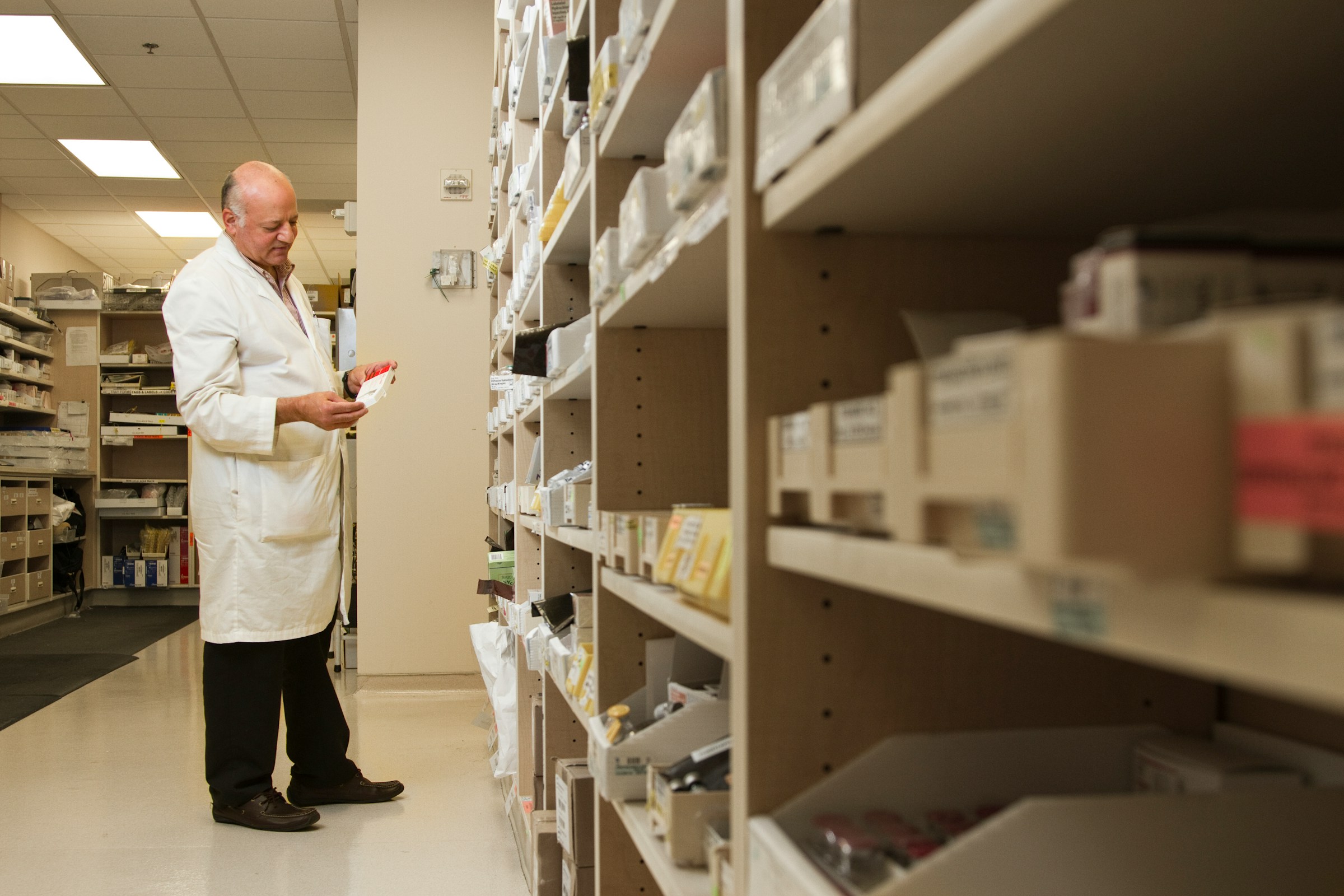
U.S. President Donald Trump announced sweeping new trade tariffs Thursday evening, including a 100% levy on imported pharmaceutical products, marking one of his most aggressive moves to date in reshaping America’s trade policy. The new tariffs, set to take effect October 1, will also include a 25% duty on heavy truck imports, 50% on kitchen and bathroom fittings, and 30% on upholstered furniture.
According to Trump, the pharmaceutical tariffs will apply to all branded or patented products, though companies actively building manufacturing plants in the United States will be exempt. He specified that firms must have already broken ground or begun construction on U.S. facilities to qualify. Trump framed the move as a matter of national security and a necessary step to reduce dependency on foreign drug imports.
The United States imported over $212 billion worth of pharmaceutical products in 2024, government data shows. Trump has long criticized this reliance, arguing that it threatens U.S. security and weakens domestic industries. Earlier this year, he demanded that 17 major drugmakers lower domestic drug prices while raising them abroad to balance profits. In August, Trump warned he could hike tariffs as high as 250%, signaling the seriousness of his push for reshoring production.
The tariff threats have already spurred huge investment pledges from global pharma companies. Roche committed to investing $50 billion, while Novartis announced $23 billion in U.S. facilities. American firms including Johnson & Johnson (NYSE:JNJ) and Eli Lilly and Company (NYSE:LLY) are also ramping up domestic operations to hedge against the new trade policies.
These tariffs extend beyond pharmaceuticals, targeting industries like heavy trucks, fittings, and furniture—sectors Trump says need protection to revive U.S. manufacturing and safeguard jobs. While the full impact of these measures on trade partners remains unclear, they underscore the administration’s continued reliance on tariffs as a core tool in its economic agenda.







