


 San Francisco Halts New Data Center Construction With 45-Day Moratorium
  US-Led Coalition Targets Global Factory Overcapacity
  Oil Prices Rise as Hormuz Attacks Fuel Supply Fears
  SEC Investor Reform Validates Barry Silbert’s Tokenization Vision
  Marco Rubio Warns Russia-Ukraine War Could Spark Wider Conflict
  Italy Approves Electoral Reform Ahead of 2027 Election
  Saudi Airport Attacks Kill Three as Yemen Fighting Escalates
  US Government Moves $1 Billion in Bitcoin Amid Sale Speculation
  Iran Refuses to Halt Uranium Enrichment Amid US Nuclear Demands
  S&P 500 Hits Record High as AI Rally Lifts Wall Street
  Gold Prices Fall as Fed Signals Another Rate Hike
  US, EU Push for Action Against Asia’s Excess Factory Capacity
  Mexico Bars Dual Citizens From Presidential Races Starting in 2028
  Trump Weighs FBI Probe Into Nolan Wells’ Death
  Fairshake Backs 32 Pro-Crypto House Candidates
  Wall Street Falls as Oil Prices Rise and Tech Stocks Slide


 Add as a preferred source on Google
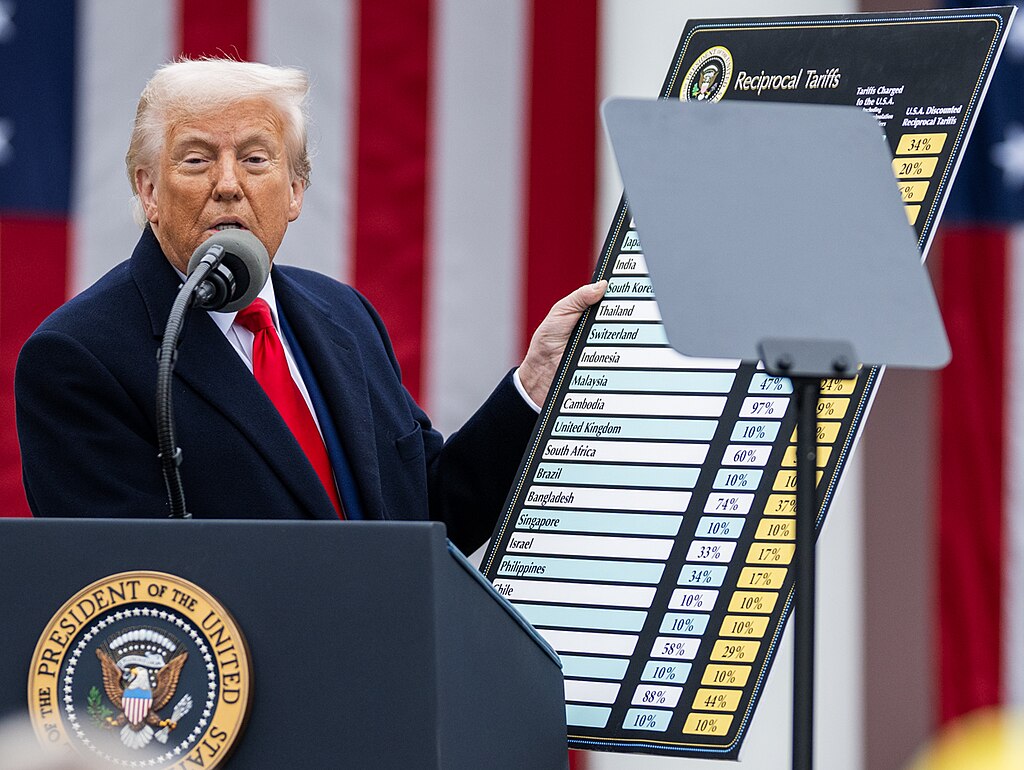
President Donald Trump signed an executive order Thursday imposing new reciprocal tariffs of 10% to 41% on U.S. imports from dozens of countries. The measure aims to pressure foreign governments into fairer trade terms, marking one of the most significant shifts in U.S. trade policy this year.
According to the White House, tariffs were set at 25% for Indian exports to the U.S., 20% for Taiwan, and 30% for South Africa. Canadian goods will see an increase from 25% to 35%. These moves follow earlier agreements with the European Union, Japan, and South Korea, which helped soften the broader impact of Washington’s escalating trade measures. Mexico has been granted a 90-day reprieve, and negotiations with China are reportedly “doing reasonably well,” Trump said.
Market response to the announcement has been relatively muted. Tony Sycamore, market analyst at IG in Sydney, noted that investors now view tariff levels as potentially negotiable. “After being caught off guard earlier this year, markets seem to expect that these levels could be walked back over time,” he said.
Brian Jacobsen, chief economist at Annex Wealth Management, cautioned that while tariff clarity exists, uncertainty remains over their long-term effects. “Tariff-induced inflation may gradually rise as businesses adjust pricing, or it may peak earlier and squeeze profit margins,” he explained.
Analysts suggest the impact could vary depending on how global trade partners respond and whether the U.S. pairs tariffs with tax incentives or new trade deals. The decision underscores the Trump administration’s strategy of leveraging tariffs to secure better terms amid ongoing trade tensions.







