


 Saudi Airport Attacks Kill Three as Yemen Fighting Escalates
  US Conducts Non-Nuclear Explosion Test to Boost Nuclear Detection
  Oil Prices Rise as Hormuz Risks Offset IEA Stock Release
  Deere, CNH and AGCO Stocks Fall as FTC Launches Farm Equipment Probe
  Australia Probes Flydubai Co-Pilot’s Links After FZ1073 Hijack Attempt
  OpenAI, Anthropic Back Mandatory AI Breach Reporting in Australia
  Trump Weighs FBI Probe Into Nolan Wells’ Death
  Iran Tanker Attacks Surge as Hormuz Oil Flows Near Prewar Levels
  US-Led Coalition Targets Global Factory Overcapacity
  France to Release 10 Million Barrels of Diesel to Ease Fuel Prices
  UK Warned Over Growing Reliance on US Cloud Providers
  Hegseth Praises USS Abraham Lincoln Crew After Record Iran War Deployment
  Circle Urges EU to Revise MiCA Stablecoin Rules
  SEC Investor Reform Validates Barry Silbert’s Tokenization Vision
  Trump Orders Firing Squad Execution for Fort Hood Gunman
  Russia Targets Danish Ukraine Suppliers in Sabotage Campaign
  US Dollar Hits 18-Month High as Fed Signals More Rate Hikes


 Add as a preferred source on Google
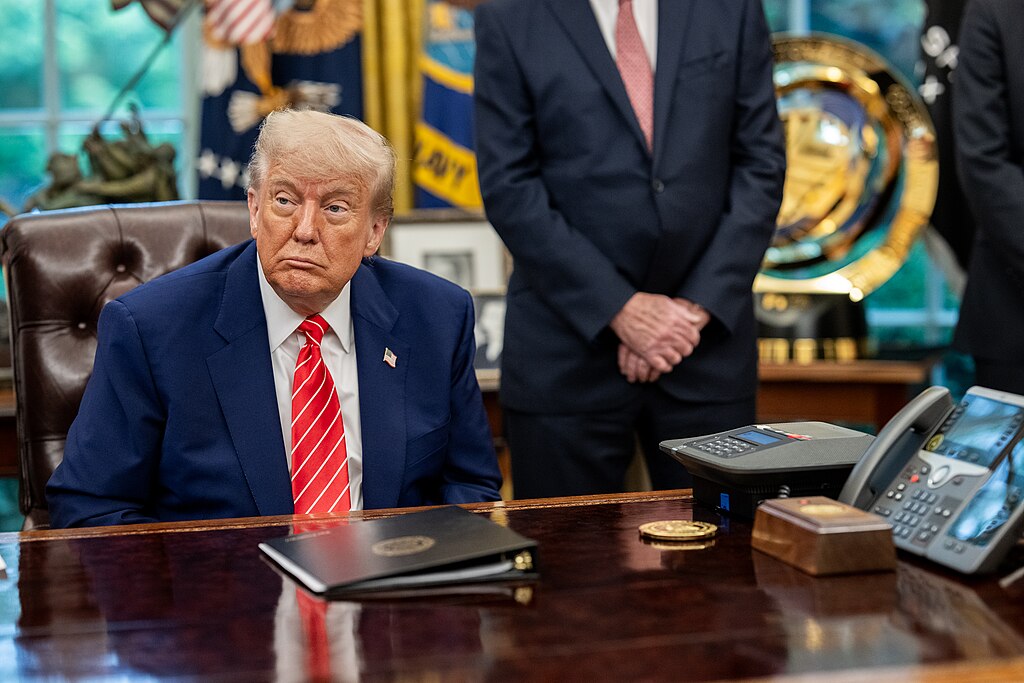
U.S. President Donald Trump has announced a temporary 10% global import tariff after the Supreme Court struck down his previous tariff program imposed under the International Emergency Economic Powers Act (IEEPA). The new tariffs, signed through executive orders, will take effect Tuesday under Section 122 of the Trade Act of 1974 and remain in place for up to 150 days.
The move replaces duties ranging from 10% to 50% that the high court ruled illegal, while halting collection of the invalidated tariffs. Section 122 allows the president to impose tariffs of up to 15% for 150 days to address significant balance of payments deficits without requiring a formal investigation. The administration justified the action by citing a “large and serious balance of payments deficit” that it said is worsening.
Certain exemptions remain intact, including aerospace products, passenger vehicles and light trucks, USMCA-compliant goods from Mexico and Canada, pharmaceuticals, critical minerals, and selected agricultural products. Treasury Secretary Scott Bessent stated that the revised tariff structure, along with potential measures under Section 301 and Section 232, would keep overall tariff revenue in 2026 largely unchanged.
Trump also directed the U.S. Trade Representative to launch new Section 301 investigations into alleged unfair trade practices by specific countries, though no official targets were named. Existing probes involving China and Brazil could expand to include other major trading partners such as Vietnam and Canada. While Section 301 investigations typically take up to a year, the administration indicated it would move faster.
Legal challenges are expected, but experts note that the 150-day limit could outlast court proceedings. Meanwhile, roughly $175 billion in tariff revenue collected under the invalidated IEEPA measures may face refund disputes, a process Trump suggested could take years to resolve.
The shift toward established trade statutes introduces more structured procedures and public comment requirements, potentially bringing greater transparency to U.S. trade policy while maintaining leverage in ongoing trade negotiations.







