


 UN Rights Council Launches Sudan Probe Over RSF Violence in al-Obeid
  Iran Begins Oil Sale Talks With Japan Under U.S. Sanctions Waiver Amid Shipping Risks
  Australia, Solomon Islands Strengthen Ties After China’s Pacific Missile Test
  China Submarine Missile Test Sparks Concern Across Asia-Pacific
  U.S. Strikes Iran, Revokes Oil License as Strait of Hormuz Attacks Escalate
  Cuba Power Grid Collapse Triggers Nationwide Blackout Amid Deepening Energy Crisis
  Michigan Senate Race Narrows as Mallory McMorrow Ends Democratic Campaign
  Trump May Reopen F-35 Program Access for Turkey Ahead of NATO Summit
  FIFA Defends Balogun Ban Suspension After Trump Praise Sparks World Cup Controversy
  Sara Duterte Impeachment Trial Opens, Putting 2028 Philippine Election in Focus
  Trump Says Ukraine Peace Deal Is Closer Ahead of NATO Summit Talks
  Israeli Airstrike Kills Two in Gaza City as Ceasefire Violations and Truce Talks Persist
  Italy Rejects Trump Social Media Feud Ahead of NATO Summit in Turkey
  Taiwan Says Defense Preparations Are Essential Amid Rising China Military Threat
  Burgum Defends Free Speech as Patriot Front July 4 March Sparks Debate
  Damascus Blasts Strike Near Hotel Ahead of Macron Syria Visit
  Flavio Bolsonaro Urges Trump to Delay Brazil Tariffs Until After 2026 Election


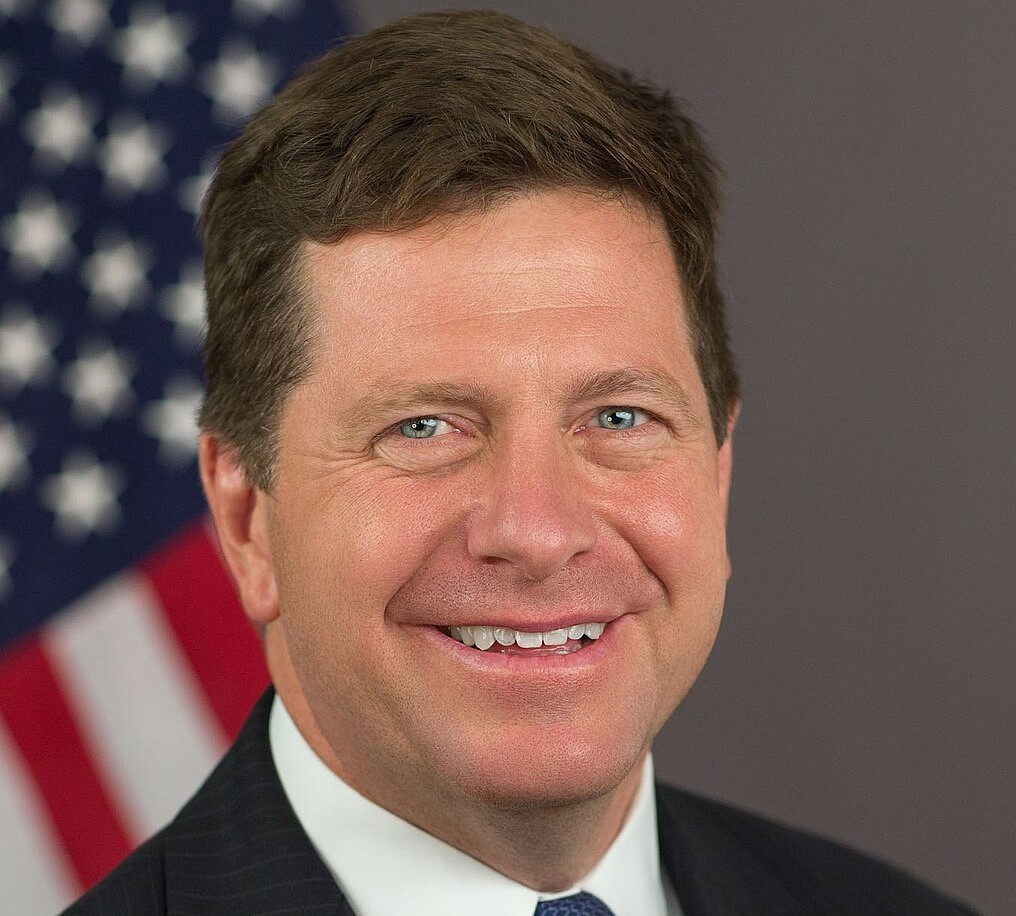
President Donald Trump's nominee for U.S. director of national intelligence, Jay Clayton, is scheduled to appear before the Senate Select Committee on Intelligence for his confirmation hearing on July 15, according to an official committee notice.
Trump nominated Clayton last month to lead the U.S. intelligence community, which oversees the nation's 18 intelligence agencies. The nomination comes after criticism surrounding Trump's earlier decision to appoint Federal Housing Finance Agency Director Bill Pulte as the temporary head of the intelligence office. Pulte's lack of national security experience drew bipartisan scrutiny, with some Republicans expressing concerns that intelligence agencies could be used for political purposes.
Earlier this month, Trump confirmed that Clayton's confirmation hearing would take place within two weeks. The process had previously been delayed after the president urged Congress to postpone action while lawmakers considered the Safeguard American Voter Eligibility (SAVE) Act, a bill that would require stricter voter identification standards for federal elections.
Trump has repeatedly argued that the SAVE Act is essential for protecting election integrity and has said the legislation would strengthen Republican prospects in the upcoming November midterm elections. He has continued to promote claims of widespread election fraud despite courts, election officials, and independent investigations finding no evidence of fraud significant enough to alter the results of the 2020 presidential election.
Since returning to the White House following his victory in the 2024 election, Trump has moved aggressively to reshape federal agencies by appointing political allies to key leadership positions and implementing policies aimed at increasing executive control over government institutions.
Clayton's confirmation hearing is expected to draw significant attention as lawmakers examine his qualifications, leadership approach, and vision for overseeing the U.S. intelligence community during a period of heightened national security challenges and political debate.







