


 France to Release 10 Million Barrels of Diesel to Ease Fuel Prices
  UK House Prices Flat in September as Mortgage Rates Weigh
  Hegseth Praises USS Abraham Lincoln Crew After Record Iran War Deployment
  US Dollar Hits 18-Month High as Fed Signals More Rate Hikes
  San Francisco Halts New Data Center Construction With 45-Day Moratorium
  Mike Rogers Calls for End to US-Canada Tariff War
  Dollar Near 18-Month High as Euro, Yen and Pound Weaken
  Trump Says He Deserves 2026 Nobel Peace Prize Despite Uncertain Chances
  S&P 500 Hits Record High as AI Rally Lifts Wall Street
  Merz Warns of Extremism After AfD Gains Power in Saxony-Anhalt
  US-Led Coalition Targets Global Factory Overcapacity
  Australia Consumer Confidence Plunges as RBA Rate Hike Hits Households
  Gold Prices Rise as Dollar Weakens, Treasury Yields Ease
  US Suspends Microsoft, Adobe From Green Card Program
  Japan Real Wages Rise 1.5%, Supporting BOJ Rate Hikes
  Crypto Rallies as CLARITY Act Failure Opens Door to Faster SEC Rules
  Maduro, Wife May Face New US Torture Charges


 Add as a preferred source on Google
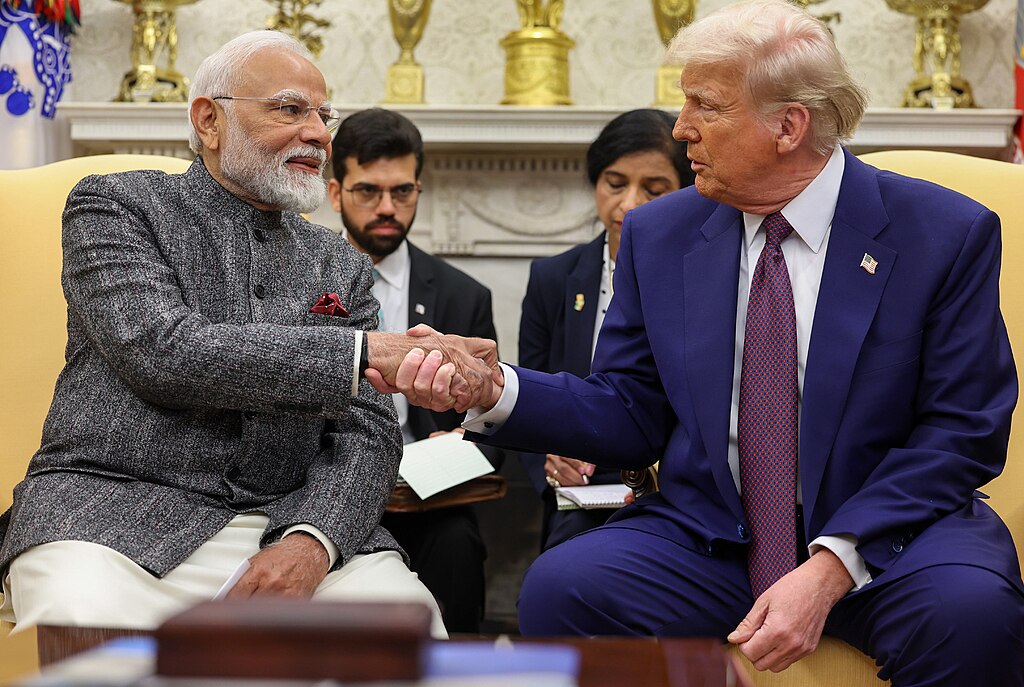
President Donald Trump has signed a landmark executive order removing the 25% penalty tariff on Indian goods, signaling a major shift in U.S.–India trade relations and global geopolitical alignment. The move functions as the core enforcement mechanism of a broader trade framework aimed at reducing India’s economic reliance on the Russian Federation while strengthening ties with the United States in energy, defense, and technology.
In the executive order, Trump stated that India has committed to ending both direct and indirect imports of Russian oil and will instead prioritize the purchase of U.S. energy products. India has also agreed to a long-term framework to expand defense cooperation with the United States over the next decade. Central to the agreement is India’s pledge to purchase approximately $500 billion worth of American energy, aircraft, and advanced technology over the next five years, a move expected to significantly benefit U.S. exporters and manufacturers.
While the Russia-related 25% surcharge has been eliminated, the deal introduces a new reciprocal tariff structure. A baseline levy of 18% will apply to selected Indian exports such as textiles, leather products, and organic chemicals. At the same time, the United States has agreed to remove additional duties on strategically important sectors, including generic pharmaceuticals, gems, and aircraft parts, easing access for Indian exporters in critical industries.
U.S. agricultural and industrial sectors are positioned to gain immediate advantages as India has committed to lowering or eliminating tariffs on a range of American products. These include soybean oil, distilled spirits, dried distillers’ grains, and fresh fruit, opening new opportunities for U.S. farmers and food exporters. The agreement also addresses long-standing non-tariff barriers that have affected U.S. medical device and information and communications technology companies operating in India.
Beyond trade, the framework emphasizes economic security and supply chain resilience. Both nations have agreed to coordinate efforts to counter non-market policies of third parties and promote innovation through closer alignment. The removal of the 25% tariff officially takes effect at 12:01 a.m. Washington time on February 7, marking what both governments describe as an interim step toward a comprehensive Bilateral Trade Agreement designed to establish a durable economic and security partnership.







