


 US-Led Coalition Targets Global Factory Overcapacity
  Saudi Arabia Probes Flydubai Cockpit Attack
  US Grants Aurora Five-Year Exemption for Self-Driving Trucks
  Saudi Airport Attacks Kill Three as Yemen Fighting Escalates
  Mexico Bars Dual Citizens From Presidential Races Starting in 2028
  Merz Warns of Extremism After AfD Gains Power in Saxony-Anhalt
  Trump Backs Florida Golf Course as Presidential Retreat
  Mike Rogers Calls for End to US-Canada Tariff War
  CFTC Moves to Set New Crypto Rules After CLARITY Act Failure
  Florida Seeks Tougher Meta Rules to Protect Young Users
  US-Taiwan Ties Remain Strong as Taipei Urges Timely Arms Deliveries
  US Government Moves $1 Billion in Bitcoin Amid Sale Speculation
  Trump Opens Tax-Exempt Dyed Diesel Access as Fuel Prices Surge
  Trump Weighs FBI Probe Into Nolan Wells’ Death
  EU Rejects Italy, Greece Calls for Fiscal Rule Flexibility
  Tsai Warns of China’s Sustained Pressure on Taiwan


 Add as a preferred source on Google
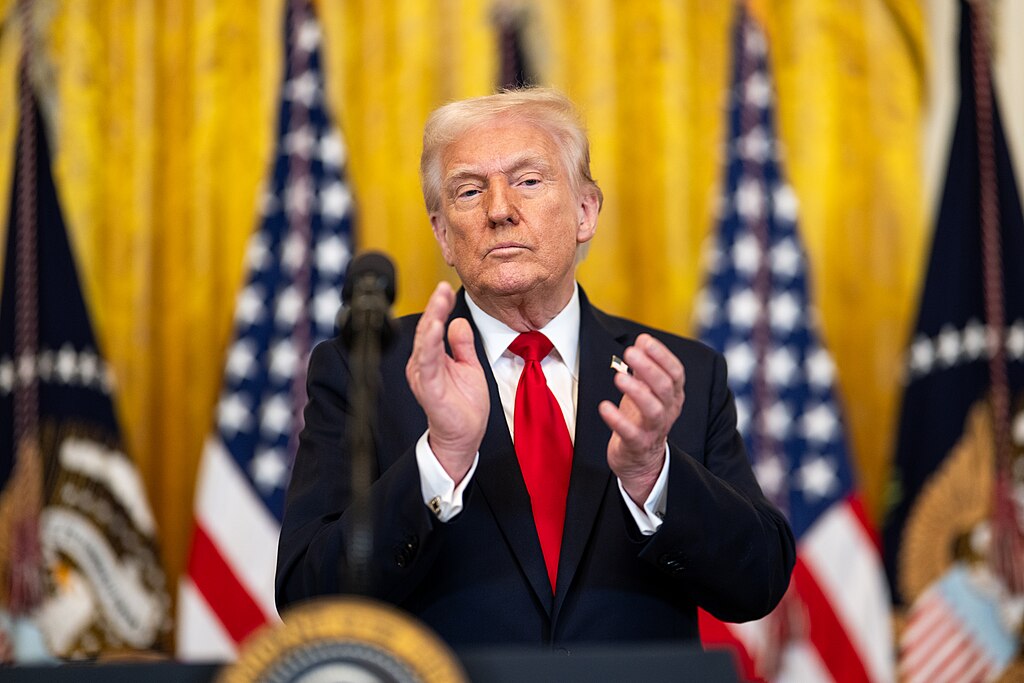
U.S. President Donald Trump announced Friday that he ordered two nuclear submarines to be deployed to “appropriate regions” following remarks by former Russian President Dmitry Medvedev about potential nuclear conflict. Trump called Medvedev’s statements “provocative” and said the move was to ensure U.S. security amid rising tensions with Moscow.
The announcement marks a sharp rhetorical escalation but not necessarily a military shift, analysts say, as U.S. nuclear-powered submarines are routinely deployed worldwide and remain capable of striking Russia at all times. The United States maintains 14 Ohio-class submarines, each armed with Trident II D5 ballistic missiles, with eight to ten typically at sea.
Medvedev, now deputy chairman of Russia’s Security Council, recently warned Trump to “remember” Moscow’s nuclear strike capabilities after Trump demanded Russia agree to a Ukraine ceasefire within ten days or face tariffs. Trump responded on social media, emphasizing the risks of “unintended consequences” from inflammatory rhetoric.
Security experts criticized Trump’s public comments, noting Washington has historically avoided nuclear threats to prevent escalation. “This is irresponsible,” said Daryl Kimball of the Arms Control Association. Hans Kristensen of the Federation of American Scientists added U.S. submarines are “always positioned,” calling Trump’s order largely symbolic.
While Trump’s remarks highlight his frustration with President Vladimir Putin’s failure to negotiate an end to the three-year Ukraine war, U.S. officials downplayed immediate risks of nuclear conflict. Analysts view the move as signaling rather than preparation for confrontation, with little expectation it will alter Russia’s stance on Ukraine peace talks.
The Kremlin has given no indication it will meet Trump’s August 8 deadline for a ceasefire. Putin said Friday Moscow favored continued negotiations but claimed battlefield momentum remains with Russia.







