


 Trump Weighs FBI Probe Into Nolan Wells’ Death
  US Government Moves $1 Billion in Bitcoin Amid Sale Speculation
  France to Release 10 Million Barrels of Diesel to Ease Fuel Prices
  US-Led Coalition Targets Global Factory Overcapacity
  US Grants Aurora Five-Year Exemption for Self-Driving Trucks
  Illinois Delays Crypto Tax Law Until July 2027
  Trump Says He Deserves 2026 Nobel Peace Prize Despite Uncertain Chances
  Mexico Bars Dual Citizens From Presidential Races Starting in 2028
  Lincoln University Students Sue Missouri Over Decades of Underfunding
  Kalshi Wins CFTC Approval for S&P 500 Perpetual Futures
  Trump Orders Firing Squad Execution for Fort Hood Gunman
  Trump Plans Diesel Tax Relief as Fuel Prices Hit Record Highs
  Florida Seeks Tougher Meta Rules to Protect Young Users
  UK Warned Over Growing Reliance on US Cloud Providers
  US-Taiwan Ties Remain Strong as Taipei Urges Timely Arms Deliveries


 Add as a preferred source on Google
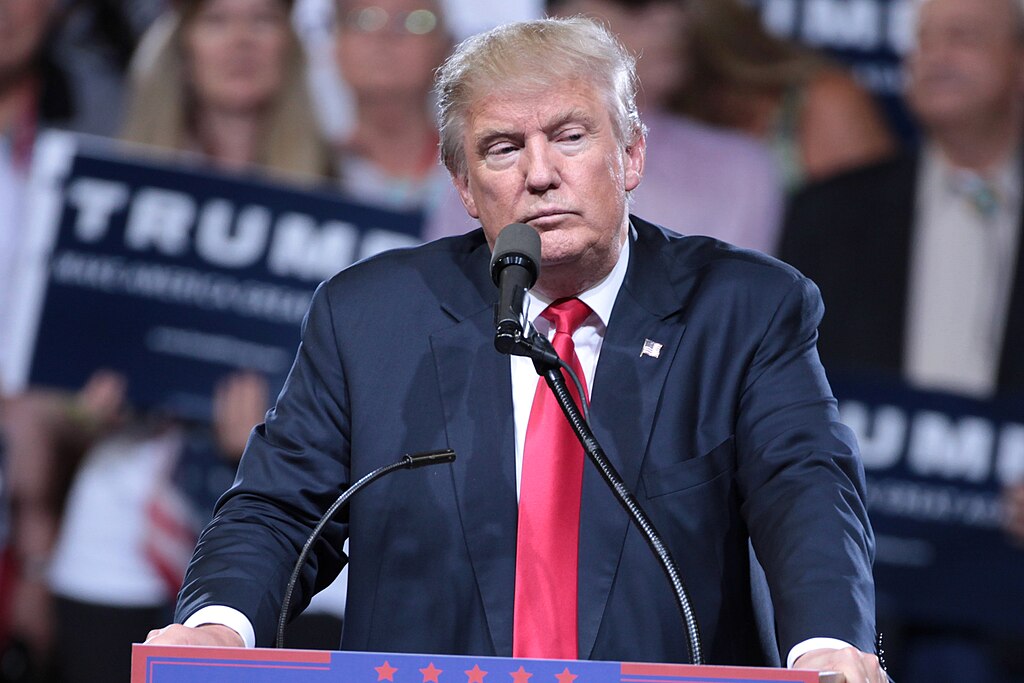
President Donald Trump signed a sweeping executive order Tuesday aimed at tightening mail-in voting regulations across the United States, setting off immediate legal threats from voting rights advocates and Democratic leaders who called the move unconstitutional.
The order directs federal agencies to compile verified lists of U.S. citizens eligible to vote in each state, working alongside state election officials to strengthen voter roll accuracy. Under the new directive, absentee ballots would only be sent to voters appearing on state-approved mail-in ballot lists. The order also mandates tamper-resistant ballot envelopes equipped with unique tracking barcodes to improve election security.
Trump dismissed concerns about the order's legal standing, arguing only a court could stop it while criticizing what he described as "rogue" judges. Voting rights organizations and election law experts pushed back strongly. NAACP President Derrick Johnson declared the order both unconstitutional and "unserious," predicting it would not survive legal scrutiny. Election integrity researcher David Becker called it "clearly unconstitutional," predicting immediate court intervention. California Governor Gavin Newsom announced the state would challenge the order in court, accusing Trump of attempting to restrict American participation in democracy.
The executive action builds on Trump's long-standing and widely disputed claims that widespread mail-in voter fraud cost him the 2020 presidential election — claims that have been repeatedly rejected by courts and election officials. The move also coincides with Senate debate over the SAVE America Act, which would require proof of citizenship to register and a photo ID to vote. The bill, already passed by the House, faces a difficult path in the Senate due to a lack of votes needed to overcome Democratic opposition.
Notably, Trump himself voted by mail in a recent Florida special election, citing presidential obligations as his reason for doing so.







