


 Trump Plans Diesel Tax Relief as Fuel Prices Hit Record Highs
  US-Taiwan Ties Remain Strong as Taipei Urges Timely Arms Deliveries
  EU Rejects Italy, Greece Calls for Fiscal Rule Flexibility
  US Suspends Microsoft, Adobe From Green Card Program
  France to Release 10 Million Barrels of Diesel to Ease Fuel Prices
  US Pressures Allies to Distance From Anti-Disinformation Conference
  EU Gives Crypto Platforms Three Months to Remove USDT Under MiCA Rules
  Marco Rubio Warns Russia-Ukraine War Could Spark Wider Conflict
  Zelenskiy Criticizes US as Russian Strikes Kill 78 in Ukraine
  ICC Rules Duterte Fit to Stand Trial in Drug War Case
  OpenAI, Anthropic Back Mandatory AI Breach Reporting in Australia
  Maduro, Wife May Face New US Torture Charges
  Berlin Coalition Talks Advance After Left Party Antisemitism Deal
  US Waives $320M Egypt Military Aid Conditions After Iran War Role
  Tsai Warns of China’s Sustained Pressure on Taiwan
  Illinois Delays Crypto Tax Law Until July 2027
  Trump Backs Florida Golf Course as Presidential Retreat


 Add as a preferred source on Google
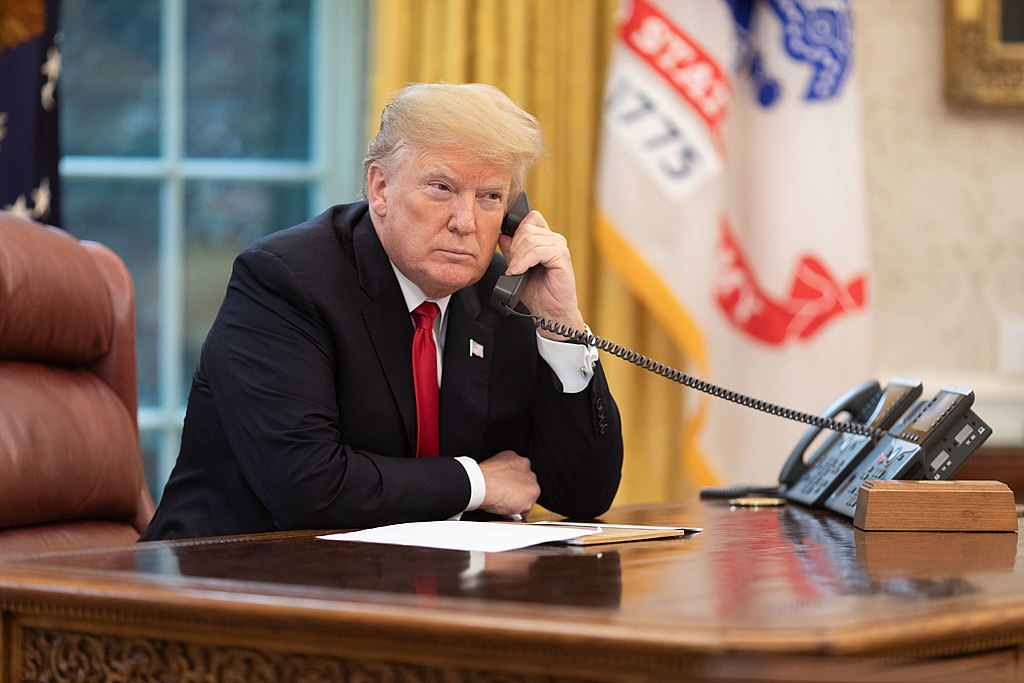
U.S. President Donald Trump has signed an executive order directing federal agencies to loosen regulations on marijuana, a move that could mark one of the most significant changes in U.S. cannabis policy in decades. The order instructs the attorney general to move quickly toward reclassifying marijuana under the Controlled Substances Act, potentially shifting it from Schedule I to Schedule III.
If reclassified, marijuana would be grouped with drugs such as certain painkillers, ketamine, and testosterone, which are considered to have accepted medical uses and lower abuse potential. While marijuana would remain illegal at the federal level, the change could dramatically reshape the cannabis industry by expanding medical research opportunities, improving access to funding, and easing barriers for banks and institutional investors.
Trump defended the decision by emphasizing patient needs, saying many Americans suffering from chronic pain have pushed for greater access to marijuana-based treatments. Although he reiterated that he does not personally use the drug and remains cautious about controlled substances, he acknowledged its growing demand and medical relevance.
The move drew mixed reactions in Washington. Senate Democratic Leader Chuck Schumer welcomed the order, calling it a step toward long-overdue reform. In contrast, dozens of Republican lawmakers urged Trump not to proceed, arguing that reclassification could send the wrong message to children, empower drug cartels, and increase safety risks on U.S. roads.
Industry experts noted that congressional action would still be required to establish stable nationwide cannabis regulations. The Drug Enforcement Administration must now review the recommendation, a process that has historically been slowed by bureaucracy. Even with reclassification, marijuana would still face federal restrictions and criminal penalties.
Cannabis stocks initially rose on the news but later fell as investors realized the order did not include provisions for cannabis banking reform. Limited access to traditional financing remains a major challenge for marijuana companies, contributing to high operating costs and the persistence of black-market activity.
Public opinion continues to favor legalization, with most Americans supporting broader reform. Combined with previous efforts, including reviews initiated under former President Joe Biden, Trump’s order signals a continued shift toward easing long-standing federal marijuana policies while leaving the final outcome uncertain.







