


 EU Ministers Split as Support Grows for Ban on Trade With Israeli West Bank Settlements
  Israel Sets October 27 Election as Netanyahu Faces Tough Political Test
  Trump to Deliver National Address on Declassified 2020 Election Intelligence
  HHS Watchdog Reports $5.56 Billion in Healthcare Fraud Recoveries as Enforcement Actions Decline
  Muji Owner Ryohin Keikaku Stock Soars After Raising Full-Year Earnings Forecast
  Trump Administration Bars U.S. Travelers From Congo Flights Amid Ebola Outbreak
  Reuters/Ipsos Poll: Most Americans Expect U.S.-Iran War to Be Prolonged
  Goldman AM Sees Strong Buyout Opportunities in Japan, South Korea and Australia
  Brazil Court Bars Flavio Bolsonaro From Visiting Jair Bolsonaro Ahead of Election
  Nvidia Tightens AI Chip Sales in Asia With Stricter Customer Approval Process
  EU Weighs New Trade Restrictions on Israeli West Bank Settlements
  Oppenheimer Sees CNH Industrial as Top 2026 Agriculture Stock Pick on Dealer Consolidation Strategy
  DOJ Grand Jury Investigates UAW President Shawn Fain Ahead of Union Election
  SK Hynix Soars 13% in Nasdaq Debut After Record $26.5 Billion IPO
  Iranian Missile Strike on UAE Oil Tankers Kills Indian Crew Member in Strait of Hormuz
  Trump, Canada Reach Gordie Howe Bridge Deal Ahead of July 27 Opening
  Morgan Stanley Names Marks & Spencer Top European Retail Pick, Sees Strong Upside


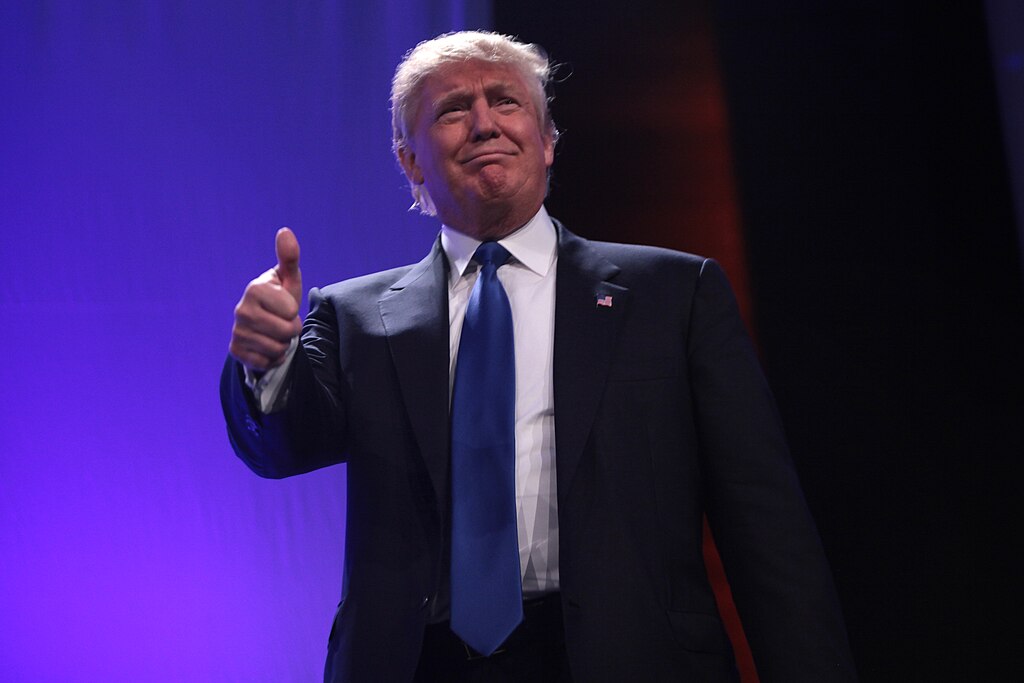
In a recent interview with Time magazine, President-elect Donald Trump announced a stringent immigration policy: the United States will cease business relations with countries that refuse to repatriate their citizens who have been ordered to leave the U.S.
This policy includes imposing substantial tariffs on imports from non-compliant nations.
Economic Sanctions as Leverage
Trump emphasized that countries unwilling to accept deported migrants would face significant economic consequences. He stated, "If they don’t take them back, we won’t do business with those countries, and we will tariff those countries very substantially."
This approach aims to compel cooperation through economic pressure.
Utilizing Military Resources for Deportations
The President-elect plans to employ military resources to assist in deporting undocumented migrants, describing the situation as an "invasion."
While legal constraints exist under the Posse Comitatus Act, Trump intends to use the National Guard and other resources to the fullest extent permitted by law.
Historical Context and Precedents
The issue of countries refusing to accept deported citizens is longstanding. In 2016, reports indicated that at least 23 countries were uncooperative in repatriating their nationals, including individuals convicted of crimes.
Previous administrations have faced challenges in addressing this problem, often resulting in the release of such individuals back into U.S. communities.
International Responses and Challenges
The Bahamas has already rejected a proposal from the Trump transition team to accept deported migrants from other countries, citing limited resources.
Similarly, Mexico is seeking agreements to ensure it does not receive third-country deportees, highlighting the complexities of international cooperation in immigration enforcement.
Public Reaction
The announcement has sparked diverse reactions on social media:
-
@PolicyWonk: "Trump's hardline stance on deportations is a bold move to enforce immigration laws."
-
@HumanRightsAdvocate: "Using economic sanctions to force countries to accept deportees raises ethical concerns."
-
@EconAnalyst: "Imposing tariffs could have unintended economic consequences for the U.S. economy."
-
@ImmigrationLawyer: "Legal challenges are likely if military resources are used for deportations."
-
@GlobalObserver: "International relations may be strained by this aggressive immigration policy."
-
@BorderSecurityNow: "It's about time we take strong action to secure our borders and enforce laws."
These reactions reflect the contentious nature of the proposed policies and the balance between national security and humanitarian considerations.







