


 Oracle Uses Trucked Natural Gas to Power AI Data Centers Amid Pipeline Delays
  George Clooney Criticizes Trump’s Tariff Threat, Calls for Film Tax Incentives
  US, Greece Launch New Counterterrorism Security Program
  Paramount-Warner Bros $110 Billion Deal Draws Antitrust Backlash
  Trump Backs Florida Golf Course as Presidential Retreat
  Paramount’s $108.4B Hostile Bid for Warner Bros Discovery Signals Major Shift in Hollywood
  Zelenskiy Criticizes US as Russian Strikes Kill 78 in Ukraine
  RFK Jr. Launches Nationwide Vaccine Safety Review
  Trump Proposes Two-Year Shutdown of Kennedy Center Amid Ongoing Turmoil
  EU Gives Crypto Platforms Three Months to Remove USDT Under MiCA Rules
  Moscow Exchange to Launch Crypto Trading on December 1
  OpenAI Revenue Hits $50 Billion, Below Earlier $70 Billion Estimate
  Mexico Bars Dual Citizens From Presidential Races Starting in 2028
  Berlin Coalition Talks Advance After Left Party Antisemitism Deal
  TSMC Q3 Revenue Beats Estimates as AI Chip Demand Surges
  Saudi Arabia Probes Flydubai Cockpit Attack
  Elon Musk Accuses Indian Telecom Giants of Blocking Starlink Launch


 Add as a preferred source on Google
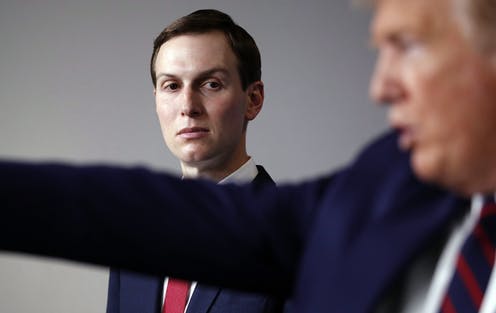
Paramount’s aggressive $108 billion bid for Warner Bros Discovery has ignited one of the biggest media battles in years — and drawn intense scrutiny due to financing tied to Jared Kushner, President Donald Trump’s son-in-law. The offer, launched by Paramount and Skydance in a hostile attempt to outmaneuver Netflix, includes funding from Kushner’s investment firm Affinity Partners, as well as backing from the Saudi and Qatari sovereign wealth funds and Abu Dhabi–based L’imad Holding Co.
The involvement of Kushner, who previously served as a White House adviser and remains influential in Middle East policy, is raising fresh questions about political conflicts of interest. Trump told reporters he has not discussed the deal with Kushner and emphasized that neither Netflix nor Paramount are “friends of mine.” However, the president also stated he expects to be involved in reviewing Netflix’s proposed acquisition of Warner Bros’ studios and streaming operations, prompting concerns about undue influence.
Any acquisition of Warner Bros Discovery will undergo strict antitrust review by the U.S. Justice Department, which will evaluate potential impacts on competition, consumer pricing, and advertising markets. Experts warn that Trump’s public comments — combined with Kushner’s financial ties — further blur the line between governance and family business interests. Ethics specialists note that while presidents are exempt from federal conflict-of-interest laws, previous administrations typically created distance from family financial ventures to avoid the appearance of impropriety.
Critics argue this situation is becoming “Exhibit A” in conflict-of-interest discussions, especially as Affinity Partners received major Middle Eastern investments last year while Trump pursued reelection. Advocates from public-interest groups say Trump should step back entirely from any decisions related to the Warner Bros Discovery sale to prevent allegations that he is aiding Kushner or influencing the competitive landscape for personal benefit.
Despite Trump’s business assets being held in a trust managed by his children, he can reclaim them after leaving office — meaning any growth during his presidency could directly benefit him, further intensifying concerns among watchdog groups about political, financial, and global entanglements.







