


 Fed Governor Lisa Cook Warns Inflation Risks Remain as Rates Stay Steady
  Gold Prices Slide Below $5,000 as Strong Dollar and Central Bank Outlook Weigh on Metals
  Missouri Judge Dismisses Lawsuit Challenging Starbucks’ Diversity and Inclusion Policies
  Jack Lang Resigns as Head of Arab World Institute Amid Epstein Controversy
  U.S. to Begin Paying UN Dues as Financial Crisis Spurs Push for Reforms
  Japanese Pharmaceutical Stocks Slide as TrumpRx.gov Launch Sparks Market Concerns
  Japan Election 2026: Sanae Takaichi Poised for Landslide Win Despite Record Snowfall
  Dollar Near Two-Week High as Stock Rout, AI Concerns and Global Events Drive Market Volatility
  U.S. Stock Futures Slide as Tech Rout Deepens on Amazon Capex Shock
  U.S.-India Trade Framework Signals Major Shift in Tariffs, Energy, and Supply Chains
  Asian Stocks Slip as Tech Rout Deepens, Japan Steadies Ahead of Election
  Federal Judge Restores Funding for Gateway Rail Tunnel Project
  Iran–U.S. Nuclear Talks in Oman Face Major Hurdles Amid Rising Regional Tensions
  Bank of Japan Signals Readiness for Near-Term Rate Hike as Inflation Nears Target
  Trump Says “Very Good Talks” Underway on Russia-Ukraine War as Peace Efforts Continue
  Japan Economy Poised for Q4 2025 Growth as Investment and Consumption Hold Firm


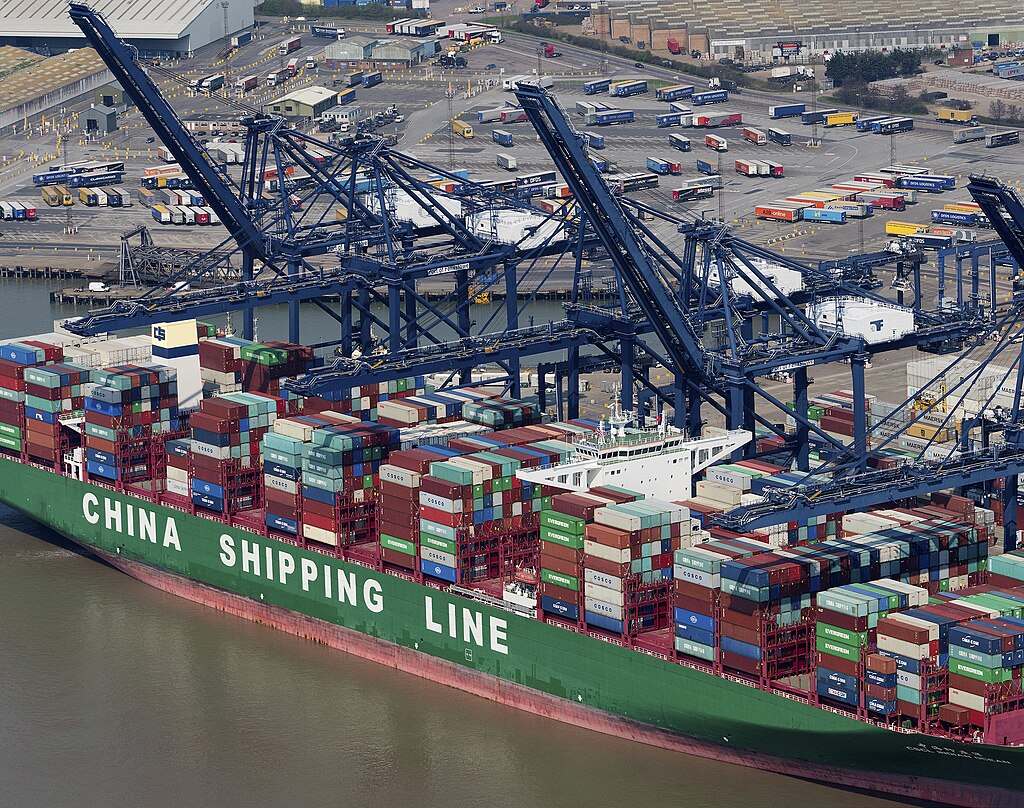
President Donald Trump’s plan to revive U.S. shipbuilding by imposing hefty fees on China-built vessels is facing fierce backlash from the American maritime industry. Industry leaders argue that the proposed port fees—potentially exceeding $3 million per call—would hurt U.S. ship operators, exporters, consumers, and critical jobs.
The Trump administration says the fees will reduce China's dominance in global shipbuilding, which now accounts for over 50% of the market, up from under 5% in 1999. While supported by steel unions and some lawmakers, critics warn that the policy could backfire by crippling American carriers that rely on Chinese-built ships due to the lack of domestic alternatives. U.S. shipyards currently produce fewer than 10 vessels per year compared to China’s 1,000.
Executives, including Edward Gonzalez of Seaboard Marine and Kathy Metcalf of the Chamber of Shipping of America, warn that penalizing China-linked vessels would force U.S. cargo to shift to foreign carriers or reroute through Canada and Mexico—disrupting trade, spiking costs, and straining infrastructure. Smaller ports would suffer from reduced traffic while major ports could face overwhelming congestion.
U.S. exporters, particularly in agriculture and coal, are already experiencing booking issues due to policy uncertainty. The American Soybean Association and other trade groups caution that the fees could slash U.S. exports by nearly 12% and shrink GDP by 0.25%, with rising prices hitting consumers hard.
Though supported by over 60 Democratic lawmakers, industry insiders urge the U.S. Trade Representative to reconsider, warning the plan could trigger job losses and supply chain disruptions reminiscent of early COVID-19 chaos. Final decisions are pending further hearings this week.













