


 EU Gives Crypto Platforms Three Months to Remove USDT Under MiCA Rules
  Circle Urges EU to Revise MiCA Stablecoin Rules
  Saudi Airport Attacks Kill Three as Yemen Fighting Escalates
  France to Release 10 Million Barrels of Diesel to Ease Fuel Prices
  US Waives $320M Egypt Military Aid Conditions After Iran War Role
  US Appeals Court Keeps Trump IRS Case Sanctions in Place
  California Leads Lawsuit Over Trump’s $810 Million Funding Cuts
  US Pressures Allies to Distance From Anti-Disinformation Conference
  Trump Orders Firing Squad Execution for Fort Hood Gunman
  US Supreme Court Revives Trump Administration Voter Citizenship Database
  Trump Weighs FBI Probe Into Nolan Wells’ Death
  Zelenskiy Criticizes US as Russian Strikes Kill 78 in Ukraine
  Pentagon Orders Iran Strike Preparations as Trump Weighs Military Action
  Trump Rallies in Texas as Republicans Face Tight Midterm Races
  OpenAI, Anthropic Back Mandatory AI Breach Reporting in Australia
  Lincoln University Students Sue Missouri Over Decades of Underfunding
  Saudi Arabia Probes Flydubai Cockpit Attack


 Add as a preferred source on Google
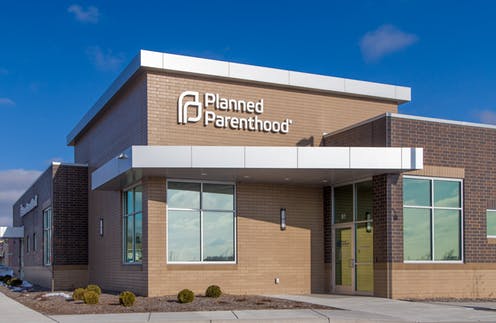
A U.S. appeals court has ruled in favor of the Trump administration, allowing it to enforce a controversial Medicaid funding restriction targeting Planned Parenthood in several Democratic-led states. On Tuesday, a three-judge panel of the Boston-based 1st U.S. Circuit Court of Appeals agreed to pause a lower court injunction that had blocked enforcement of the provision in 22 states and Washington, D.C., marking a significant development in the ongoing legal battle over abortion-related healthcare funding.
The decision permits implementation of a provision within the One Big Beautiful Bill Act, a major tax and domestic policy law passed by the Republican-controlled Congress and signed by President Donald Trump in July. The provision bars Medicaid funding for tax-exempt organizations that provide family planning or reproductive health services if they also perform abortions and received more than $800,000 in Medicaid reimbursements during the 2023 fiscal year. Planned Parenthood has argued the law was specifically designed to target the organization and says it has already led to the closure of at least 20 of its health centers nationwide.
The ruling temporarily overturns an injunction issued by U.S. District Judge Indira Talwani, who had previously blocked enforcement after concluding the states were likely to succeed in showing the law imposed unconstitutional retroactive conditions on Medicaid participation. Talwani reasoned that states lacked clear notice of which entities would be affected and could not have anticipated the funding restriction after their Medicaid plans were approved by the Centers for Medicare and Medicaid Services.
However, the appeals court panel—comprised entirely of judges appointed by Democratic presidents—found the Trump administration was likely to succeed on appeal. The judges said Congress had the authority to impose the funding changes and that the law was not ambiguous as claimed by the states and Planned Parenthood.
The ruling follows an earlier December decision by the same appeals court overturning Talwani’s prior finding that the law violated the U.S. Constitution. Representatives for Planned Parenthood and the coalition of Democratic attorneys general, including those from California, Massachusetts, and New York, did not immediately comment.
The case underscores the continuing national debate over Medicaid funding, abortion access, and federal authority, with broader implications for reproductive healthcare providers and low-income patients across the United States.







