


 US-Led Coalition Targets Global Factory Overcapacity
  Robinhood Buys $25 Million in Bitcoin for Corporate Treasury
  Tencent Shares Fall as $5 Billion AI Bond Sale Weighed
  TSA Removes Chairs for Airport ID Check Officers
  US Pressures Allies to Distance From Anti-Disinformation Conference
  Trump Backs Florida Golf Course as Presidential Retreat
  US Waives $320M Egypt Military Aid Conditions After Iran War Role
  Trump Rallies in Texas as Republicans Face Tight Midterm Races
  Trump Envoy Meets Sudan Army Chief in Egypt
  Lula Weighs Alckmin as Finance Minister to Boost Fiscal Credibility
  Houthis Strike Aden Airport as Yemen Fighting Escalates
  Circle Urges EU to Revise MiCA Stablecoin Rules
  Saudi Arabia Probes Flydubai Cockpit Attack
  Hegseth Praises USS Abraham Lincoln Crew After Record Iran War Deployment
  Kalshi Wins CFTC Approval for S&P 500 Perpetual Futures
  North Korea Slams US Taiwan Arms Sales, Reaffirms Russia Support
  Kazakhstan and Tether Explore Tenge Stablecoin and RWA Tokenization


 Add as a preferred source on Google
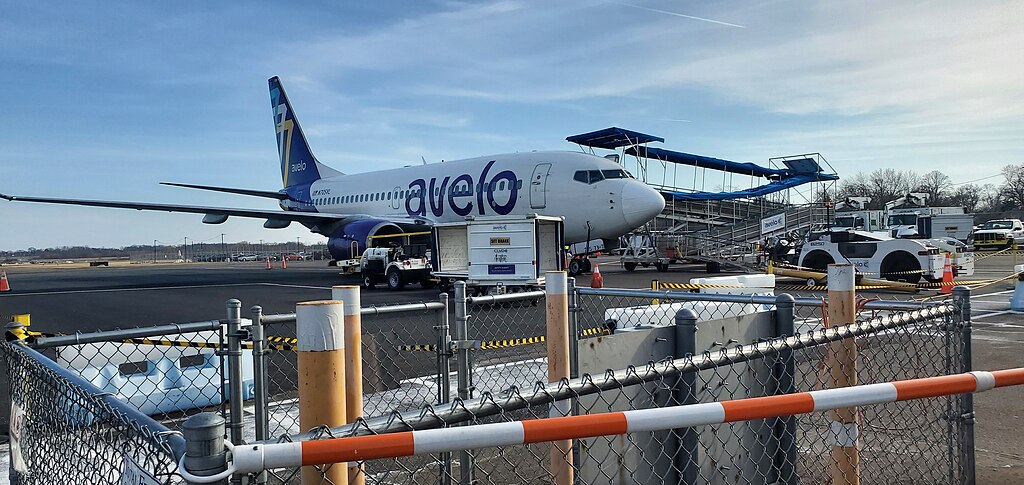
A group of U.S. budget airlines, including Frontier Airlines and Avelo Airlines, is reportedly pursuing $2.5 billion in government assistance to offset surging operational costs driven by rising jet fuel prices. According to a Wall Street Journal report, the carriers are proposing a deal in which the U.S. government would receive warrants that could later convert into equity stakes in the airlines, similar to previous pandemic-era bailout structures.
The push for financial relief comes as executives from several low-cost carriers recently met with Transportation Secretary Sean Duffy and Federal Aviation Administration (FAA) chief Bryan Bedford in Washington. Discussions are expected to continue, signaling growing urgency among budget airlines facing financial strain.
The requested $2.5 billion figure is based on projected increases in jet fuel expenses. Airlines estimate they will spend significantly more this year compared to earlier forecasts, assuming fuel prices remain above $4 per gallon. This spike has placed considerable pressure on margins, particularly for smaller and low-cost carriers that operate on thinner profit lines.
The situation highlights broader economic ripple effects tied to geopolitical tensions, including the ongoing Iran conflict, which has contributed to higher fuel prices globally. For budget airlines, the sharp rise in costs has nearly doubled fuel expenses, raising concerns about long-term sustainability and pushing some carriers closer to financial distress.
This request for aid comes as the U.S. government is also nearing a separate rescue deal for Spirit Airlines. The potential package could include up to $500 million in government-backed financing to support the airline through bankruptcy proceedings.
During the COVID-19 pandemic, the U.S. Treasury implemented a $54 billion airline support program that included warrants as part of the bailout structure. However, the government ultimately recovered only about $556.7 million from selling those warrants, with many proving to have limited value.
As talks continue, the outcome of these negotiations could significantly impact the future of low-cost air travel in the United States, as well as government policy on airline industry support.







