


 JPMorgan CEO Jamie Dimon Warns Mythos AI Raises Cyber Risk Tenfold
  Zcash Privacy Demand Rises as AI Exposes Bitcoin Transactions
  Florida Seeks Tougher Meta Rules to Protect Young Users
  Israel Tightens Pilot Security After Flydubai Incident
  SEC Investor Reform Validates Barry Silbert’s Tokenization Vision
  US Grants Aurora Five-Year Exemption for Self-Driving Trucks
  Judge Blocks Trump Election Conditions on Counterterrorism Grants
  Paramount-Warner Bros $110 Billion Deal Draws Antitrust Backlash
  Maduro, Wife May Face New US Torture Charges
  Fairshake Backs 32 Pro-Crypto House Candidates
  Supreme Court Takes Up Exxon, Suncor Climate Case
  San Francisco Halts New Data Center Construction With 45-Day Moratorium
  Samsung Q3 Profit Hits Record High on AI Memory Demand
  Marco Rubio Warns Russia-Ukraine War Could Spark Wider Conflict
  OpenAI, Anthropic Back Mandatory AI Breach Reporting in Australia
  Trump Backs Florida Golf Course as Presidential Retreat
  Evan Gershkovich Says FSB Set Trap for 2023 Russia Arrest


 Add as a preferred source on Google
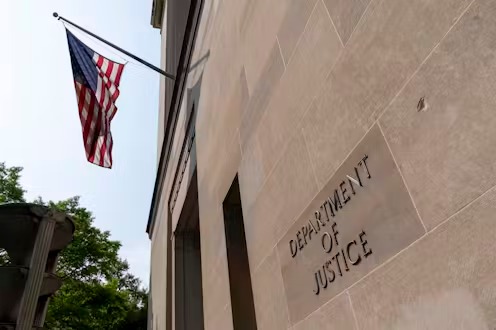
U.S. authorities have arrested two men accused of illegally smuggling Nvidia’s highly sought-after H100 and H200 artificial intelligence chips to China, according to the Justice Department. The case comes as President Donald Trump recently authorized Nvidia to resume exports of its H200 chips to Beijing, highlighting ongoing tensions surrounding advanced semiconductor technology and national security.
Prosecutors say Fanyue Gong, a 43-year-old Chinese citizen living in New York, and Benlin Yuan, a 58-year-old Canadian citizen originally from China, worked separately with employees at a Hong Kong logistics firm and a China-based AI company to bypass U.S. export controls. Court filings state the pair and their associates allegedly used straw buyers and intermediaries to obtain restricted Nvidia GPUs, claiming the hardware was intended for U.S. clients or customers in places such as Taiwan and Thailand.
Authorities allege the chips were delivered to several U.S. warehouses where Nvidia labels were removed and replaced with labels from what investigators believe was a fictitious company. The hardware was then prepared for shipment overseas. According to a separate complaint, Yuan also recruited people to inspect the mislabeled products and instructed them not to reveal that the chips were destined for China. He allegedly participated in creating a cover story for retrieving seized shipments.
The Justice Department estimates the smuggling network has been active since at least November 2023. Another individual, Alan Hao Hsu, previously pleaded guilty in October for his role in the same scheme. Prosecutors say Hsu and his company received over $50 million in wire transfers from China and helped move at least $160 million worth of export-controlled Nvidia chips.
U.S. Attorney Nicholas J. Ganjei said the investigation, dubbed Operation Gatekeeper, uncovered a sophisticated effort to funnel cutting-edge AI hardware to entities that could undermine U.S. interests. Nvidia emphasized its cooperation with regulators, stressing that even older-generation GPUs sold on secondary markets undergo strict security reviews.







