


 Colombia Extradites FARC Dissident Leader ‘Spider’ to US
  DaVoice Sues Perplexity AI Over Trade Secrets
  US-Taiwan Ties Remain Strong as Taipei Urges Timely Arms Deliveries
  Rapidus Seeks Chip Customers as Japan Pushes 2nm Semiconductor Revival
  Pentagon Orders Iran Strike Preparations as Trump Weighs Military Action
  Meta and Microsoft Cut Internal Claude AI Use
  UK Warned Over Growing Reliance on US Cloud Providers
  DogecoinVM Makes DOGE Transactions 300x Faster
  California AG Subpoenas OpenAI Over AI Cybersecurity Incidents
  CFTC Moves to Define Prediction Markets as Swaps
  Crypto Rallies as CLARITY Act Failure Opens Door to Faster SEC Rules
  Zcash NU7 Testnet Cuts Block Time to 25 Seconds
  Saudi Arabia Probes Flydubai Cockpit Attack
  Meta Found Liable in New Mexico Facebook Data Privacy Case
  OpenAI, Anthropic Back Mandatory AI Breach Reporting in Australia
  Paramount Skydance Faces $30 Million Film Penalty in Warner Bros. Deal
  US Treasury Drops Crypto Wallet Tracking Plan


 Add as a preferred source on Google
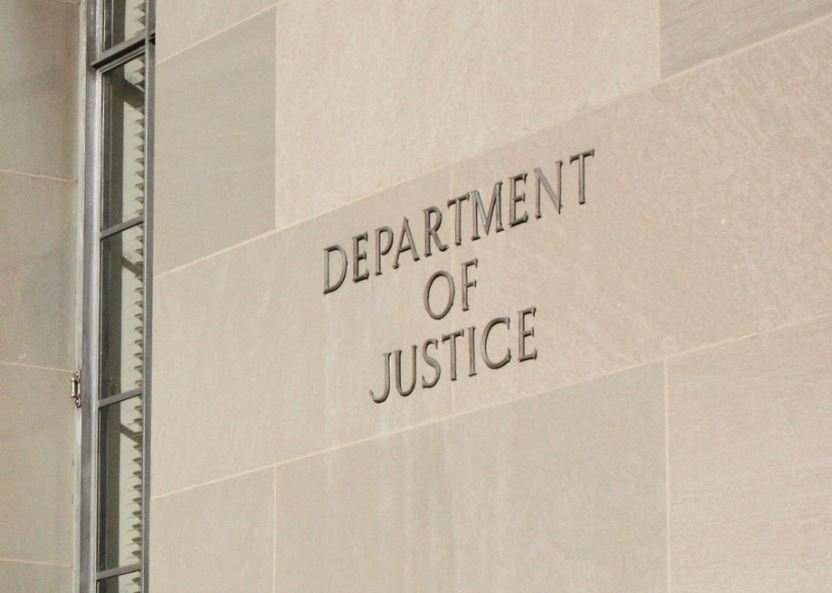
The U.S. Justice Department has successfully executed a court-authorized operation to dismantle a DNS hijacking network tied to Russian military intelligence. The network was run by GRU Military Unit 26165, a cyber unit operating under Russia's Main Intelligence Directorate of the General Staff.
According to federal authorities, the GRU exploited compromised routers across the globe to carry out large-scale espionage campaigns. Thousands of devices were infiltrated, allowing Russian operatives to intercept unencrypted network traffic and harvest sensitive data — including passwords, authentication tokens, and confidential emails — from victims in military, government, and critical infrastructure sectors worldwide.
The FBI played a central role in the takedown, identifying affected routers on U.S. soil, gathering key intelligence on Russian targeting activity, and restoring compromised devices to their original settings. Brett Leatherman, Assistant Director of the FBI's Cyber Division, confirmed that without intervention, the GRU would have continued siphoning sensitive information undetected. Dubbed "Operation Masquerade," the coordinated effort brought together cybersecurity partners from 15 countries, underscoring the global scope of both the threat and the response.
Microsoft, which released findings ahead of the Justice Department's announcement, reported that the hacking campaign affected more than 200 organizations and approximately 5,000 consumer devices. Cybersecurity firm Lumen Technologies' Black Lotus Labs, which had previously flagged part of the botnet infrastructure, noted that primary targets included government ministries, law enforcement bodies, and third-party email providers across the U.S., Europe, Afghanistan, North Africa, Central America, and Southeast Asia.
Germany and the United Kingdom also issued cybersecurity advisories on the same day, reinforcing the widespread concern over Russian state-sponsored cyber threats. The Russian Embassy in Washington offered no response to requests for comment. Leatherman emphasized that Russia's cyber program remains a persistent and evolving danger to global digital security.







