


 US Government Moves $1 Billion in Bitcoin Amid Sale Speculation
  US Stock Futures Flat as Fed Minutes, Earnings Loom
  Mike Rogers Calls for End to US-Canada Tariff War
  Russia Targets Danish Ukraine Suppliers in Sabotage Campaign
  Zelenskiy Criticizes US as Russian Strikes Kill 78 in Ukraine
  Oil Prices Rise as Gulf Hurricane and Middle East Supply Risks Mount
  US Treasury Yields Ease After Strong 10-Year Auction as Global Bonds Struggle
  Gold Prices Fall as Fed Signals Another Rate Hike
  Merz Warns of Extremism After AfD Gains Power in Saxony-Anhalt
  Trump Orders Firing Squad Execution for Fort Hood Gunman
  Wall Street Falls as Fed Minutes Signal Another Rate Hike
  Oil Prices Rise as Hormuz Risks Offset IEA Stock Release
  Fairshake Backs 32 Pro-Crypto House Candidates
  Oil Prices Rise as Hormuz Attacks Fuel Supply Fears
  Indian Stocks Fall as RBI Hikes Rates to 5.50%
  Gold Prices Rise as Dollar Weakens, Treasury Yields Ease
  San Francisco Halts New Data Center Construction With 45-Day Moratorium


 Add as a preferred source on Google
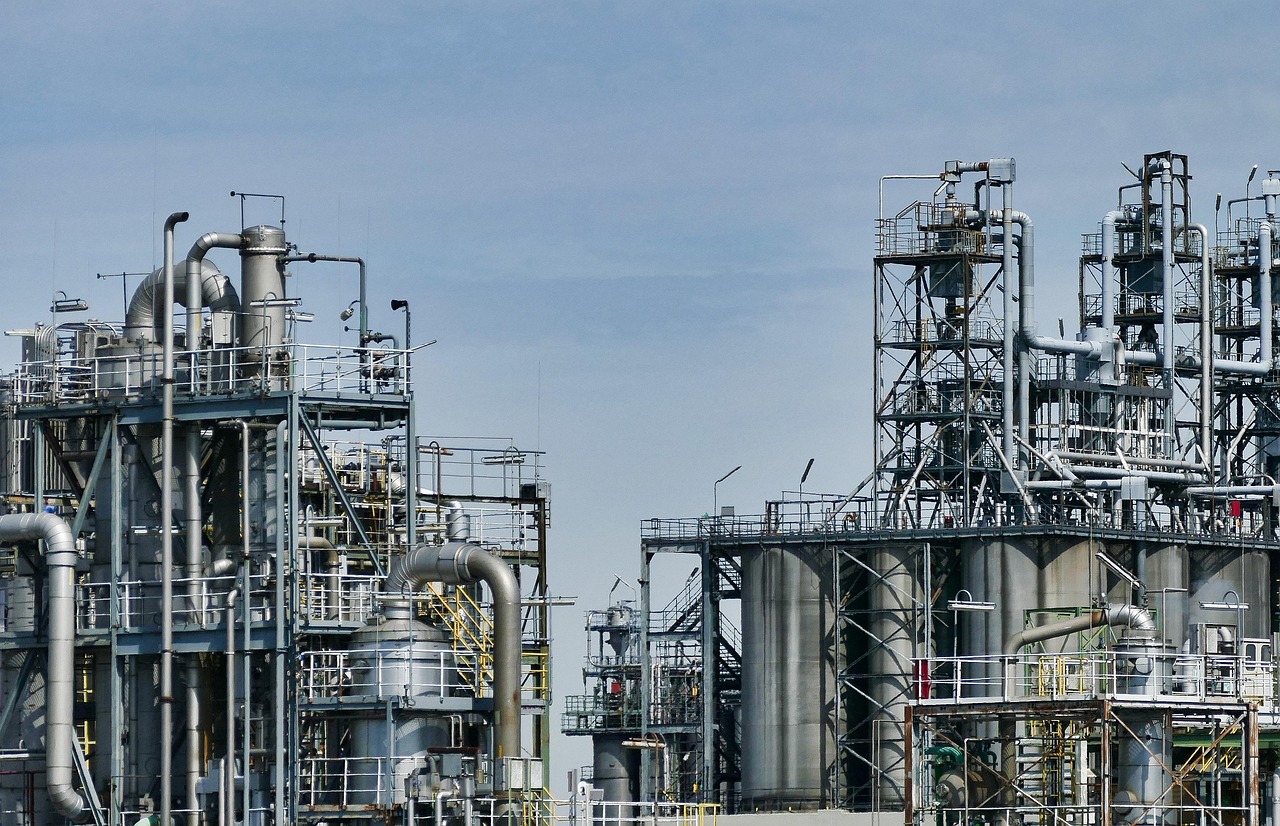
The Trump administration has eased select sanctions on Venezuela’s oil industry, signaling a major policy shift aimed at encouraging U.S. investment following the ouster of President Nicolás Maduro earlier this month. The U.S. Treasury Department issued a new general license authorizing a wide range of oil-related transactions involving the Venezuelan government and state-owned oil company PDVSA, provided they are conducted by established U.S. entities.
Under the license, U.S. companies are permitted to engage in activities such as the lifting, export, sale, transport, refining, and marketing of Venezuelan-origin oil. However, the authorization notably stops short of lifting sanctions on oil production itself. The White House has not clarified why production was excluded, leaving some uncertainty for investors assessing long-term opportunities in Venezuela’s energy sector.
The move could unlock billions of dollars in potential U.S. investment in Venezuela’s long-struggling oil industry, while clearly excluding competitors from China and Russia. This approach reinforces an “America First” strategy in the country’s reconstruction and marks a departure from the previous system of granting individual sanctions exemptions on a case-by-case basis.
Importantly, the license prohibits non-commercial payment terms, debt swaps, payments in gold, or transactions denominated in digital currencies. It also blocks any involvement by entities linked to Russia, Iran, North Korea, or Cuba, as well as Chinese-controlled companies and blocked vessels. These restrictions underscore Washington’s intent to tightly control who benefits from Venezuela’s oil reopening.
Major energy players such as Chevron, Repsol, ENI, Reliance Industries, and several U.S. oil service firms had recently sought approvals to expand exports or output from the OPEC member nation. Legal and energy analysts say the license provides long-awaited clarity for U.S. firms while maintaining strict oversight of non-U.S. participation.
The decision coincides with Venezuela’s approval of reforms to its main oil law, granting greater autonomy to private producers and formalizing production-sharing models. As the Trump administration advances a $100 billion plan to rebuild Venezuela’s oil industry and manage oil sales indefinitely, questions remain about how excluded Russian and Chinese joint ventures—responsible for roughly 22% of output—will affect PDVSA’s ability to operate and export oil efficiently.







