


 Litecoin Marks 15 Years as Grayscale Backs LTC ETF Push
  Kazakhstan and Tether Explore Tenge Stablecoin and RWA Tokenization
  Crypto Rallies as CLARITY Act Failure Opens Door to Faster SEC Rules
  San Francisco Halts New Data Center Construction With 45-Day Moratorium
  Evernorth XRPN Nasdaq Listing Delayed to October 12
  Rapidus Seeks Chip Customers as Japan Pushes 2nm Semiconductor Revival
  France to Release 10 Million Barrels of Diesel to Ease Fuel Prices
  TSMC Q3 Revenue Beats Estimates as AI Chip Demand Surges
  US DOT Ends Airline Privacy Review Without Enforcement
  Trump Orders Firing Squad Execution for Fort Hood Gunman
  Crypto Market Selloff Wipes Out $100B as Bitcoin Falls Below $83K
  OpenAI, Anthropic Back Mandatory AI Breach Reporting in Australia
  Europol Warns Bitcoin Wallets Face Quantum Computing Risk


 Add as a preferred source on Google
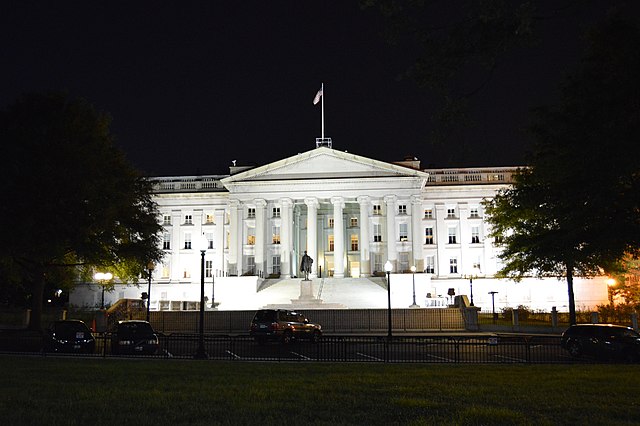
The United States has imposed a new round of Iran-related sanctions, targeting several Iranian individuals and cryptocurrency exchanges as part of its ongoing efforts to increase economic pressure on Tehran.
According to a notice published by the U.S. Department of the Treasury on Tuesday, four Iranian nationals and four Iran-based digital asset trading platforms have been added to the sanctions list. The targeted cryptocurrency exchanges include Nobitex, Bitpin, Ramzinex, and Wallex, all of which are significant players in Iran’s digital asset ecosystem.
The latest sanctions are part of Washington’s broader strategy to disrupt financial networks that may be used to circumvent existing restrictions. By targeting crypto exchanges, U.S. authorities aim to limit Iran’s access to international financial systems and reduce the use of digital assets for transactions that could evade sanctions.
The Treasury Department also warned that foreign financial institutions, businesses, and individuals could face secondary sanctions if they knowingly engage in certain transactions involving the sanctioned exchanges. This measure increases compliance risks for global entities that maintain business relationships with the listed firms.
The action highlights the growing focus of regulators on the cryptocurrency sector and its potential role in facilitating cross-border financial activity. As digital assets become more widely adopted, governments worldwide are increasing oversight of crypto exchanges and related services to ensure compliance with international regulations.
The sanctions are expected to have a significant impact on the affected platforms, potentially restricting their ability to interact with global markets and financial service providers. Industry observers note that the move underscores the United States’ continued commitment to enforcing sanctions through both traditional financial channels and emerging digital asset networks.
With the addition of Nobitex, Bitpin, Ramzinex, and Wallex to the sanctions list, international companies operating in the cryptocurrency space may need to review their compliance procedures to avoid potential exposure to U.S. enforcement actions. The development further demonstrates the increasing intersection between geopolitical policy, financial regulation, and the global cryptocurrency industry.







