


 Judge Blocks Trump Election Conditions on Counterterrorism Grants
  Pentagon Orders Iran Strike Preparations as Trump Weighs Military Action
  California Leads Lawsuit Over Trump’s $810 Million Funding Cuts
  Maduro, Wife May Face New US Torture Charges
  US-Taiwan Ties Remain Strong as Taipei Urges Timely Arms Deliveries
  Crypto Rallies as CLARITY Act Failure Opens Door to Faster SEC Rules
  US Charges Maduro and Wife With Torture Conspiracy
  Mike Rogers Calls for End to US-Canada Tariff War
  Kalshi Wins CFTC Approval for S&P 500 Perpetual Futures
  Trump Rallies in Texas as Republicans Face Tight Midterm Races
  Second DOJ Lawyer Exits Trump Probe
  Hegseth Praises USS Abraham Lincoln Crew After Record Iran War Deployment
  Florida Seeks Tougher Meta Rules to Protect Young Users
  Circle Urges EU to Revise MiCA Stablecoin Rules
  Mexico Bars Dual Citizens From Presidential Races Starting in 2028
  Zelenskiy Criticizes US as Russian Strikes Kill 78 in Ukraine
  DaVoice Sues Perplexity AI Over Trade Secrets


 Add as a preferred source on Google
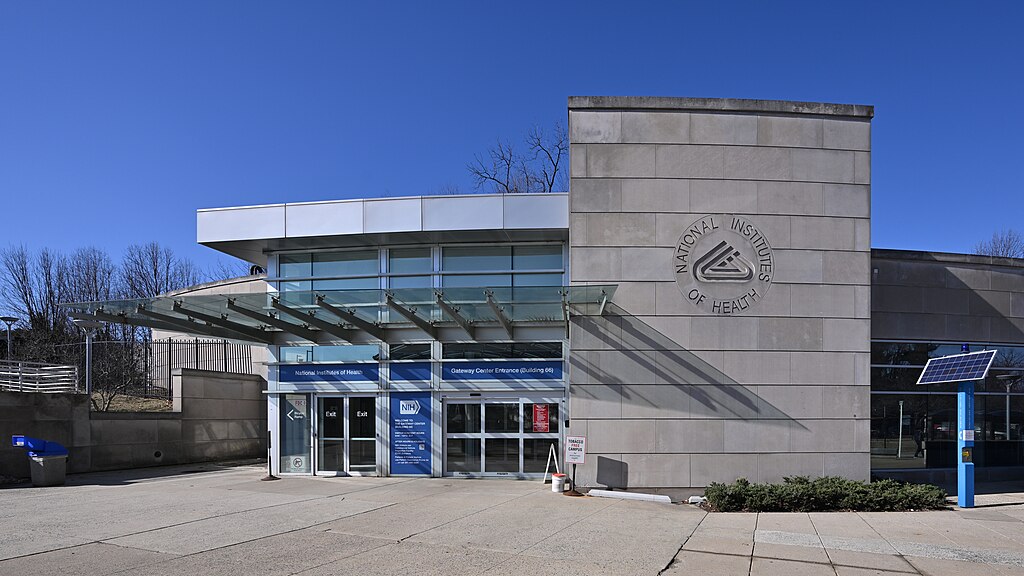
The Trump administration has reached an agreement with researchers and Democratic-led states who filed a lawsuit over cuts to diversity-related research funding at the National Institutes of Health (NIH). The deal, announced Monday, allows stalled or rejected grant applications to move forward for review after months of legal uncertainty surrounding diversity, equity, and inclusion (DEI) research funding.
The dispute began after the NIH canceled hundreds of millions of dollars in research grants, citing concerns that the projects were tied to DEI initiatives rather than core scientific objectives. In response, affected researchers and states sued the federal government, arguing that the funding cuts were unlawful and arbitrary. Earlier this year, U.S. District Judge William Young ruled in Boston that the NIH had improperly terminated the grants, finding that the cancellations violated federal law.
However, the legal battle became more complex in August when the U.S. Supreme Court partially paused Judge Young’s ruling. The high court determined that claims related to the terminated grants should be heard by a specialized federal court that handles monetary disputes with the government. At the same time, the Supreme Court left unresolved a separate issue regarding how the NIH handled applications for future research funding.
Monday’s agreement addresses that unresolved portion of the case. Under the deal, the federal government has agreed to conduct new reviews of grant applications that were frozen, denied, or withdrawn after the policy change was announced. Importantly, the agreement does not require the NIH to approve or fund any specific research proposals, but it does reopen the door for fair consideration.
The researchers involved say the affected grants cover critical public health areas, including HIV prevention, Alzheimer’s disease, LGBTQ health, and sexual violence research. One of the plaintiffs, Nikki Maphis, a postdoctoral researcher at the University of New Mexico, welcomed the development, saying it allows her Alzheimer’s and aging brain research to move forward after what she described as an “arbitrary and destructive freeze.”
The agreement does not affect Judge Young’s earlier ruling blocking the NIH policy itself. The U.S. Department of Health and Human Services has appealed that decision and maintains that it ended funding for research it believes prioritized ideology over scientific rigor.







