


 Micron Shares Rise 4% Despite Taiwan Strike Risk
  Solidigm Taps Goldman, Morgan Stanley for $10 Billion US IPO
  US Suspends Microsoft, Adobe From Green Card Program
  France to Release 10 Million Barrels of Diesel to Ease Fuel Prices
  US-Taiwan Ties Remain Strong as Taipei Urges Timely Arms Deliveries
  Levi Strauss Beats Q3 Profit Estimates, Raises 2026 Outlook
  UK Sanctions Crypto Exchanges Linked to Russia
  Iran Refuses to Halt Uranium Enrichment Amid US Nuclear Demands
  Intel Reaffirms Role in Elon Musk’s Terafab Chip Project
  US Treasury Drops Crypto Wallet Tracking Plan
  Disney Expands Infinity Vision to Challenge Imax
  Trump Opens Tax-Exempt Dyed Diesel Access as Fuel Prices Surge
  Marvell Stock Surges on $90 Billion AI Revenue Outlook
  EU Gives Crypto Platforms Three Months to Remove USDT Under MiCA Rules
  Merz Warns of Extremism After AfD Gains Power in Saxony-Anhalt
  Circle Urges EU to Revise MiCA Stablecoin Rules


 Add as a preferred source on Google
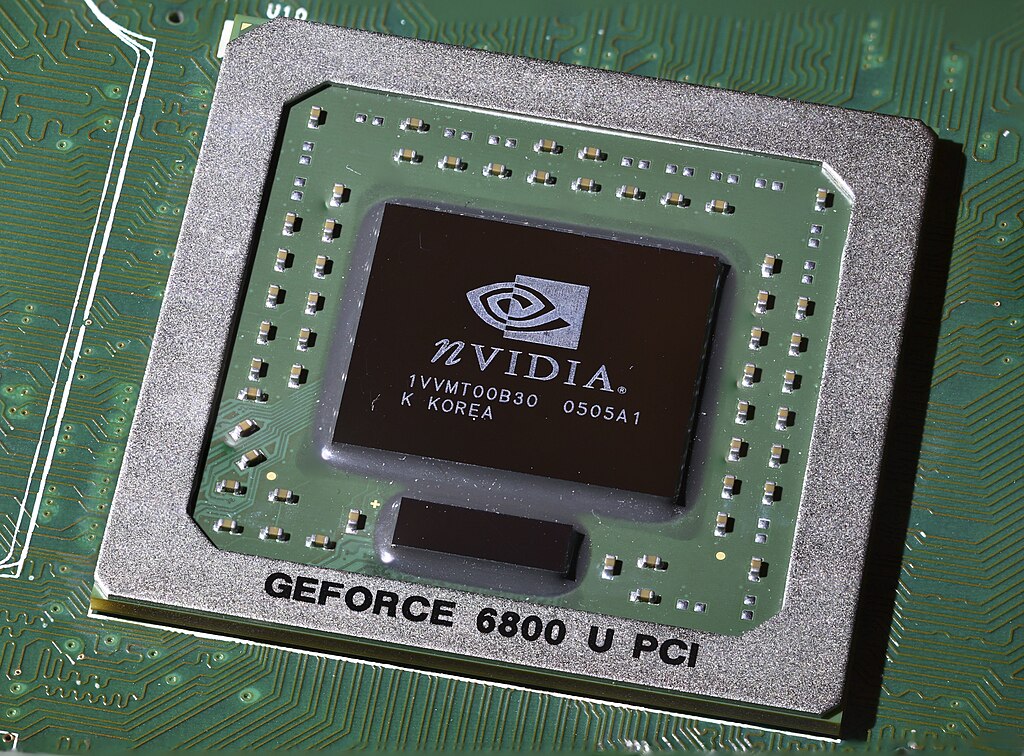
The United States will permit Nvidia’s H200 processors—its second-most advanced artificial intelligence chips—to be exported to China, with a 25% fee applied to each sale. President Donald Trump announced the decision on Truth Social, noting he had informed China’s President Xi Jinping, who “responded positively.” The move aims to strike a balance between protecting U.S. national security and maintaining American leadership in AI chip technology.
Nvidia shares rose after the announcement, signaling investor optimism despite uncertainty over whether Chinese companies will proceed with purchases given Beijing’s push to reduce reliance on U.S. technology. The Commerce Department is finalizing the export conditions, which will also apply to AMD and Intel. According to the White House, the 25% fee will be collected as an import tax from Taiwan—where the chips are manufactured—before U.S. officials conduct a security review prior to re-exporting them to China.
The decision follows ongoing debate in Washington over the risks of supplying China with advanced AI chips that could strengthen its military capabilities. Critics, including several Democratic senators, called the move a significant national security mistake. Analysts note the H200 is nearly six times more powerful than China’s most advanced legally available U.S. chip, the H20, while still slower than Nvidia’s newest Blackwell architecture, which remains restricted.
Despite concerns, experts believe Chinese firms will likely still purchase H200 chips due to their performance advantage over domestic alternatives. However, Beijing’s stance remains uncertain as China continues to scrutinize U.S. technology for potential security risks and tensions rise over past accusations of backdoor vulnerabilities—claims Nvidia has denied.
The announcement coincided with the U.S. Justice Department revealing it had disrupted a China-linked smuggling ring involved in illegally exporting H100 and H200 chips worth over $160 million, underscoring the high geopolitical stakes surrounding advanced semiconductor technology.







