


 France to Release 10 Million Barrels of Diesel to Ease Fuel Prices
  Illinois Delays Crypto Tax Law Until July 2027
  US DOT Ends Airline Privacy Review Without Enforcement
  Pentagon Orders Iran Strike Preparations as Trump Weighs Military Action
  Houthis Strike Aden Airport as Yemen Fighting Escalates
  Australia Probes Flydubai Co-Pilot’s Links After FZ1073 Hijack Attempt
  US-Taiwan Ties Remain Strong as Taipei Urges Timely Arms Deliveries
  Lula Weighs Alckmin as Finance Minister to Boost Fiscal Credibility
  SEC Investor Reform Validates Barry Silbert’s Tokenization Vision
  Rapidus Seeks Chip Customers as Japan Pushes 2nm Semiconductor Revival
  US Pressures Allies to Distance From Anti-Disinformation Conference
  Crypto Lobbying Hits $13M as Clarity Act Stalls
  UK Warned Over Growing Reliance on US Cloud Providers
  New York Declares Measles Disaster Emergency as Cases Surge
  Trump Opens Tax-Exempt Dyed Diesel Access as Fuel Prices Surge


 Add as a preferred source on Google
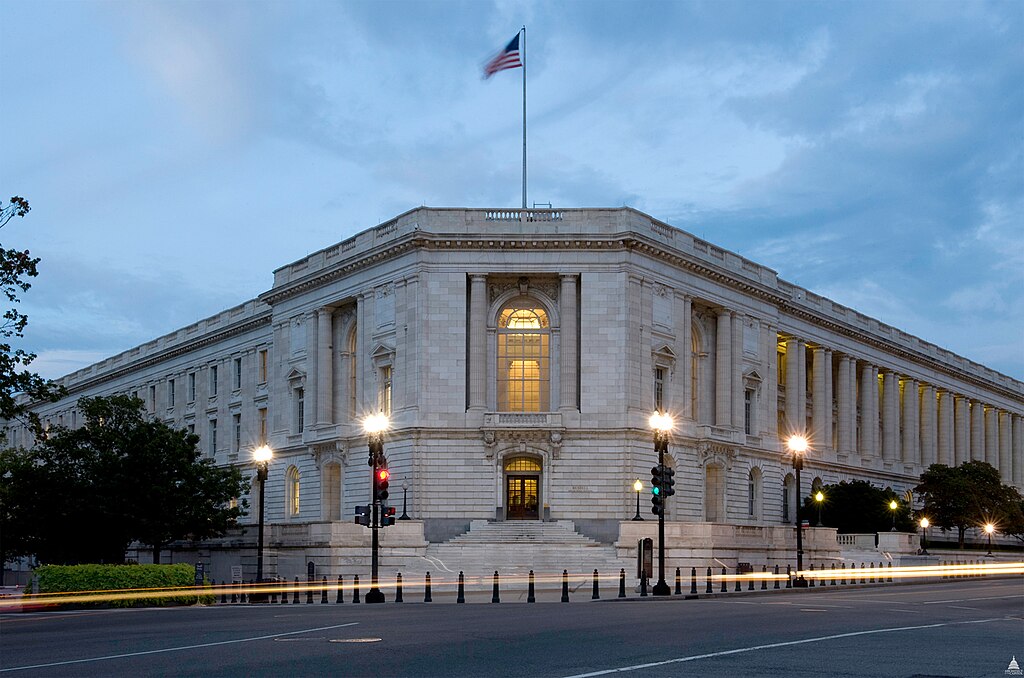
The U.S. House of Representatives has approved a three-year budget framework that could unlock an additional $70 billion for immigration enforcement, marking a significant step in shaping future border security policies. The measure narrowly passed with a 215-211 vote, with no Democratic support. House Speaker Mike Johnson kept the vote open for over five hours to secure enough Republican backing, highlighting divisions within the party. Some lawmakers from agricultural states pushed for commitments on expanding ethanol-blended gasoline sales before agreeing to support the proposal.
The Senate had already approved the budget plan on April 23, meaning the next phase involves Republicans in both chambers finalizing the details of the $70 billion immigration funding package. Once completed, the legislation will be sent to President Donald Trump for approval. GOP leaders aim to pass the final bill by May, using a special legislative process that allows them to bypass Democratic support in the Senate.
This approach mirrors a similar strategy used last year, when Republicans approved approximately $130 billion in funding for Immigration and Customs Enforcement (ICE) and U.S. Border Patrol. That funding boost was part of a broader effort to strengthen immigration enforcement and support large-scale deportation initiatives.
Republicans have consistently opposed Democratic proposals to limit ICE and Border Patrol operations, particularly in major U.S. cities where enforcement actions have sparked protests. Tensions have intensified following incidents earlier this year, including the fatal shooting of two U.S. citizens by federal agents in Minneapolis.
Meanwhile, a separate funding deadline is approaching for agencies under the Department of Homeland Security (DHS). Without a new agreement, several agencies could run out of funding by the end of the week. Although the Senate has passed a bill to fund key agencies such as the Secret Service, Coast Guard, and FEMA through September 30, House Republicans have yet to approve it, raising concerns about a potential funding gap.







