


 Mexico Bars Dual Citizens From Presidential Races Starting in 2028
  Israel Tightens Pilot Security After Flydubai Incident
  Illinois Delays Crypto Tax Law Until July 2027
  Russia Targets Danish Ukraine Suppliers in Sabotage Campaign
  UK Sanctions Crypto Exchanges Linked to Russia
  France to Release 10 Million Barrels of Diesel to Ease Fuel Prices
  Trump Weighs FBI Probe Into Nolan Wells’ Death
  US DOT Ends Airline Privacy Review Without Enforcement
  Saudi Airport Attacks Kill Three as Yemen Fighting Escalates
  Merz Warns of Extremism After AfD Gains Power in Saxony-Anhalt
  US Pressures Allies to Distance From Anti-Disinformation Conference
  Circle Urges EU to Revise MiCA Stablecoin Rules
  Trump Backs Florida Golf Course as Presidential Retreat
  Zelenskiy Criticizes US as Russian Strikes Kill 78 in Ukraine
  US-Taiwan Ties Remain Strong as Taipei Urges Timely Arms Deliveries
  US Charges Maduro and Wife With Torture Conspiracy
  UK Warned Over Growing Reliance on US Cloud Providers


 Add as a preferred source on Google
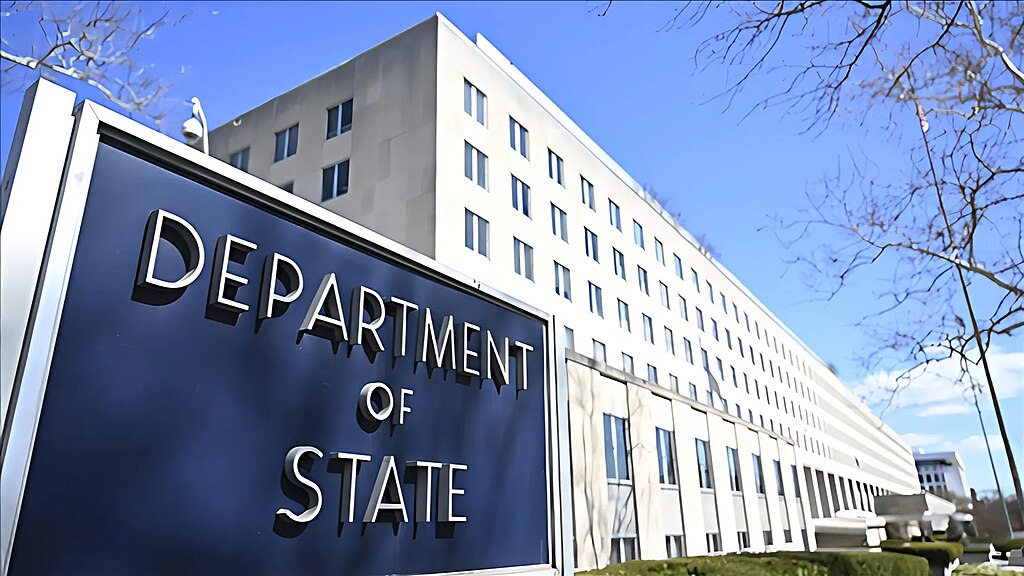
The United States has imposed new visa restrictions on members of Haiti’s Transitional Presidential Council, citing alleged links to gangs and criminal organizations, according to a statement released by the U.S. State Department on Sunday. The move includes revoking the visas of two council members as well as those of their immediate family members, escalating U.S. pressure amid Haiti’s ongoing political and security crisis.
In its statement, the State Department said the action was taken due to certain council members’ alleged “involvement in the operation of gangs and other criminal organizations in Haiti.” The department further accused unnamed members of interfering with efforts by the Haitian government to counter gangs that the United States has designated as Foreign Terrorist Organizations. The identities of the affected council members were not disclosed, and U.S. officials did not immediately provide additional details when asked for clarification.
Haiti’s embassy in Washington also did not respond to requests for comment, underscoring the uncertainty surrounding the decision and its potential diplomatic impact. The visa restrictions come at a particularly sensitive moment, as the mandate of the Transitional Presidential Council, which currently serves as Haiti’s top executive authority, is set to expire on February 7. At present, there is no officially announced succession plan, raising concerns about a potential power vacuum.
U.S. Secretary of State Marco Rubio discussed the situation with Haitian Prime Minister Alix Didier Fils-Aime on Friday, according to a State Department spokesperson. During the call, Rubio reiterated that the council should dissolve as scheduled but stressed the importance of Fils-Aime remaining in his role to help ensure continuity and stability. This stance contrasts with growing internal tensions, as two members of the council publicly called for Fils-Aime’s removal on the same day.
The Transitional Presidential Council was appointed in 2024 with the goal of guiding Haiti toward its first national election in nearly a decade. However, the election process has been repeatedly delayed due to a severe deterioration in security, driven by violent clashes between security forces and heavily armed gangs that control large parts of the country. As the United States tightens visa restrictions and presses for political transition, Haiti faces renewed uncertainty over its leadership, governance, and path toward long-awaited democratic elections.







