


 Mike Rogers Calls for End to US-Canada Tariff War
  GSR Commits $100M to Hare Onchain Credit Vaults
  Tencent Shares Fall as $5 Billion AI Bond Sale Weighed
  DeepSeek Seeks $12 Billion Funding Round Backed by Tencent, CATL
  US Treasury Drops Crypto Wallet Tracking Plan
  Vance Demands Iran Cut Nuclear Enrichment to End War
  Nvidia-Backed Reflection AI Launches Beam Open-Weight Model
  Zcash NU7 Testnet Cuts Block Time to 25 Seconds
  SEC Investor Reform Validates Barry Silbert’s Tokenization Vision
  Mexico Bars Dual Citizens From Presidential Races Starting in 2028
  Europol Warns Bitcoin Wallets Face Quantum Computing Risk
  Elon Musk Accuses Indian Telecom Giants of Blocking Starlink Launch
  Anthropic Expands Claude Access for Cyber Defense Teams
  Rapidus Seeks Chip Customers as Japan Pushes 2nm Semiconductor Revival
  US Grants Aurora Five-Year Exemption for Self-Driving Trucks
  HSBC Plans Deep UK Wealth Job Cuts in AI Push


 Add as a preferred source on Google
A potential easing of tensions between the United States and Iran is redirecting Washington’s attention toward major technology policy initiatives and executive actions, according to a new report from Wolfe Research. The shift could significantly influence the political landscape as lawmakers race against time ahead of the 2026 midterm elections.
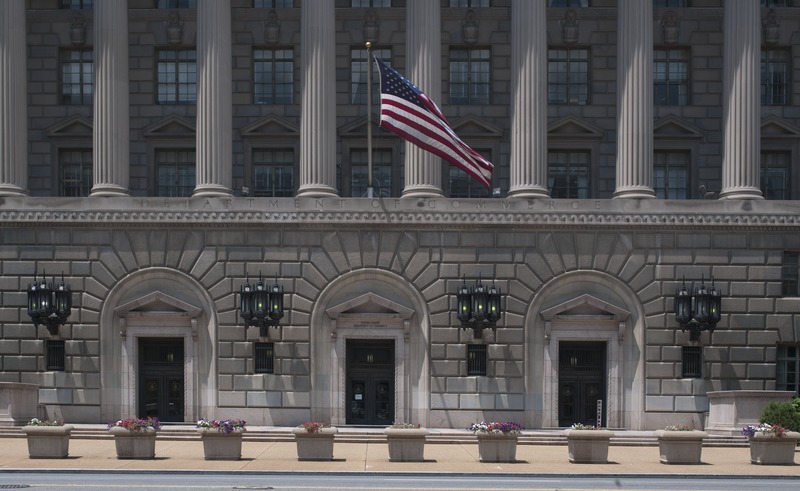
One of the biggest concerns emerging from Washington is the Commerce Department’s unexpected decision to impose strict export restrictions on Anthropic’s advanced AI models, Mythos and Fable. The restrictions effectively forced the company to suspend distribution of the models, including access for domestic users. According to a leaked letter from Commerce Secretary Howard Lutnick, Anthropic would need individually approved licenses to provide model access to any foreign national, including non-U.S. employees working at the company.
While the move was initially linked to communication failures and security concerns involving an entity reportedly connected to the Chinese Communist Party (CCP), analysts believe the broader significance lies in the administration’s willingness to use executive authority to regulate artificial intelligence. Wolfe Research noted that the decision demonstrates a readiness to implement aggressive AI export controls, increasing regulatory uncertainty for technology companies and investors.
Meanwhile, Congress faces a narrowing legislative window before the traditional August recess. Wolfe Research identified the 21st Century ROAD to Housing Act and the CLARITY Act, a major cryptocurrency market structure bill, as the most likely non-essential measures to advance. However, prospects for the CLARITY Act have weakened due to ongoing disputes over stablecoin regulations and ethics-related provisions tied to crypto ventures associated with the Trump family.
The report also questions the feasibility of President Donald Trump’s proposal for a permanent $1.5 trillion defense budget increase. Analysts expect resistance from fiscal conservatives and procedural hurdles in Congress to limit such efforts. Instead, the administration is more likely to pursue a one-time supplemental defense package worth up to $100 billion to cover costs linked to the Iran conflict.
Despite expectations that a U.S.-Iran memorandum of understanding could help lower energy prices, Wolfe Research believes the political benefits for Republicans may be limited. Public approval of President Trump has continued to decline since early 2025, while concerns about the economic impact and handling of the conflict remain elevated.
As a result, Wolfe Research maintains its forecast that Democrats are positioned to regain control of the House of Representatives in the 2026 midterm elections, while Republicans are expected to retain a narrow majority in the Senate.







