


 Xi Jinping Orders Full Rescue After Shanxi Coal Mine Gas Explosion Kills Eight
  Asian Stocks Rally as Japan’s Nikkei Hits Record High on AI and Chipmaker Surge
  Rubio Says NATO Must Benefit All Members Ahead of Sweden Meeting
  Marco Rubio Visits India to Rebuild U.S.-India Ties Amid Trade and Geopolitical Tensions
  Wang Yi to Lead UN Security Council Meeting and Visit Canada Amid Improving China-Canada Relations
  China Coal Mine Explosion Death Toll Revised to 82 in Shanxi
  Goldman Sachs Sees Stronger U.S. Dollar as Global Economic Gaps Widen
  Russia Launches Massive Missile and Drone Strike on Kyiv Amid Oreshnik Threat
  Mexico-EU Free Trade Deal Signals Strategic Shift Away From U.S. Dependence
  Rubio, Jaishankar Discuss Iran Crisis, Trade, and Energy Security During Key U.S.-India Talks
  U.S.-Iran Talks Advance as Trump Signals Tough Stance on Hormuz and Nuclear Deal
  Trump Says Iran Peace Deal Talks Ongoing as U.S. Blockade Remains in Place
  Cuba needs a long-term solution to its energy crisis
  Russia Launches Massive Missile and Drone Assault on Kyiv, Killing Civilians and Damaging Historic Sites
  Trump’s White House Ballroom Push Draws Criticism Amid Rising Gas Prices
  Wall Street Futures Rally as Oil Prices Drop Amid Optimism Over U.S.-Iran Talks
  Spying, Southampton and economic pressure cooker of the ‘richest match in football’


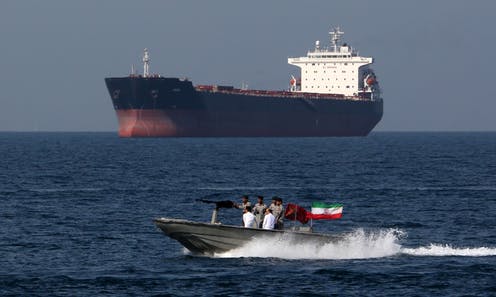
Iran and the United States have reportedly moved closer to ending their two-month conflict after both sides reached a preliminary framework agreement, according to comments from an Iranian foreign ministry spokesperson cited by Reuters. However, the proposed memorandum of understanding still lacks detailed terms regarding the future management of the Strait of Hormuz, one of the world’s most critical oil shipping routes.
Recent reports suggested that Washington and Tehran were nearing a breakthrough that could lead to the reopening of the Strait of Hormuz, where nearly 20% of global oil supplies pass daily. The waterway has faced severe disruptions for weeks, sending crude oil prices sharply higher and increasing fears of global inflation. News of a possible agreement immediately eased market concerns, pushing Brent crude oil below $100 per barrel while global stock markets in Europe and Asia advanced.
Under the reported framework, the United States may lift its naval blockade on Iranian ports in exchange for Iran restoring safe maritime access through the strait. Iranian officials also clarified that Tehran does not plan to impose direct tolls on ships traveling through the passage, although certain maritime services could involve service fees.
The draft agreement reportedly includes commitments from Iran to avoid developing nuclear weapons and begin negotiations regarding its uranium enrichment activities. Iran has repeatedly denied pursuing nuclear arms but has resisted U.S. demands to surrender its enriched uranium reserves.
The conflict intensified earlier this year after joint military operations by the United States and Israel targeted Iran, largely driven by concerns surrounding Tehran’s nuclear program and disruptions to global energy markets.
Despite optimism, U.S. President Donald Trump stated that negotiations should not be rushed, emphasizing that sanctions and the blockade would remain until a final agreement is officially signed and verified. Secretary of State Marco Rubio also confirmed that diplomatic efforts remain ongoing but warned that alternative measures remain possible if talks collapse.







