


 Broadcom, Oracle and SpaceX Seek Billions in Private Debt for AI Expansion
  US Grants Aurora Five-Year Exemption for Self-Driving Trucks
  Intel Reaffirms Role in Elon Musk’s Terafab Chip Project
  Trump Orders Firing Squad Execution for Fort Hood Gunman
  Trump Opens Tax-Exempt Dyed Diesel Access as Fuel Prices Surge
  Gate Launches Gate Money as Crypto Super App Race Heats Up
  San Francisco Halts New Data Center Construction With 45-Day Moratorium
  US Waives $320M Egypt Military Aid Conditions After Iran War Role
  OpenAI, Anthropic Back Mandatory AI Breach Reporting in Australia
  TSA Removes Chairs for Airport ID Check Officers
  Zelenskiy Warns Russia Is Preparing Massive Attack on Ukraine
  Trump Weighs FBI Probe Into Nolan Wells’ Death
  DeepSeek Seeks $12 Billion Funding Round Backed by Tencent, CATL
  JPMorgan CEO Jamie Dimon Warns Mythos AI Raises Cyber Risk Tenfold
  Houthis Strike Aden Airport as Yemen Fighting Escalates
  Florida Seeks Tougher Meta Rules to Protect Young Users
  US, Greece Launch New Counterterrorism Security Program


 Add as a preferred source on Google
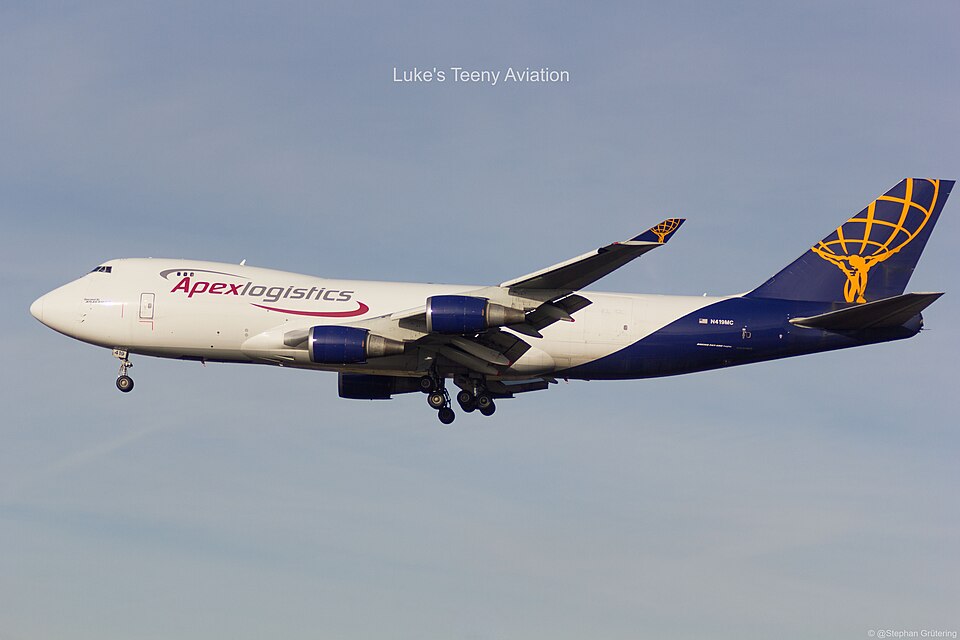
The U.S. government is investigating Singapore-based Apex Logistics over allegations that the freight company helped transport Nvidia AI chips and computer systems to China despite U.S. export restrictions, Bloomberg reported Thursday.
The investigation, led by the U.S. Commerce Department’s Bureau of Industry and Security (BIS), is examining whether Apex handled artificial intelligence systems manufactured by Super Micro Computer that ultimately reached mainland China in violation of American semiconductor export controls.
According to the report, authorities are reviewing 47 shipments handled by Apex during 2024. The suspected supply chain allegedly involved Nvidia-powered servers traveling from Taiwan to the United States before being routed through Southeast Asia and Hong Kong and eventually entering China.
If enforcement action follows, the case could represent the first significant U.S. move against a transportation company accused of participating in the unauthorized trade of advanced AI semiconductors. The investigation also underscores Washington’s growing scrutiny of logistics providers and intermediaries involved in global technology supply chains.
The United States has imposed increasingly strict controls on exports of advanced AI chips to China since 2022, citing national security concerns and the potential military applications of high-performance computing technology.
Apex Logistics acknowledged that U.S. authorities had raised concerns about a limited number of shipments and said it was fully cooperating with the investigation. Its Swiss parent company, Kuehne & Nagel, also confirmed that Apex was cooperating, although the parent company itself had not been contacted by U.S. authorities, according to Bloomberg.
Nvidia, meanwhile, said it works with established partners to ensure its products are sold in accordance with U.S. export regulations. The AI chipmaker added that its due-diligence procedures have helped uncover suspected efforts to evade export restrictions.
The Apex Logistics investigation could broaden the focus of U.S. semiconductor enforcement beyond chipmakers, distributors and customers to freight and logistics companies responsible for moving advanced computing equipment across international borders.







