


 HHS Watchdog Reports $5.56 Billion in Healthcare Fraud Recoveries as Enforcement Actions Decline
  LG Energy Solution Q2 Profit Plunges 77% Despite Revenue Growth on Weak EV Demand
  Venezuela Appoints Felix Plasencia to Lead Foreign Relations and Trade
  Zhipu AI Raises HK$31.37 Billion in Discounted Share Sale to Accelerate AI Growth
  Deutsche Bank Fined A$2 Million by ASIC Over OTC Derivatives Reporting Errors
  Wolfspeed Sues Navitas Over GaN and SiC Patent Infringement
  Australia Flags Child Safety Gaps at Apple, Meta, Google Over Online Sexual Extortion
  SK Hynix Soars 13% in Nasdaq Debut After Record $26.5 Billion IPO
  Ukraine, Europe Launch Freyja Missile Shield to Strengthen Air Defense Against Russia
  Stellantis Q2 Vehicle Shipments Rise 10% as North America Drives Growth
  SoftBank Corp Partners With Sierra to Expand AI Customer Support Across Japan
  Chinese Chip Stocks Jump as Apple Reportedly Tests CXMT Memory Chips for China Devices
  EU Ministers Split as Support Grows for Ban on Trade With Israeli West Bank Settlements
  Samsung Chairman Lee Jae-yong Expected to Meet Nvidia CEO Jensen Huang on AI and Chip Partnership
  Trump Recommends Darline Graham for Interim South Carolina Senate Seat
  Nvidia Invests $500M in Firmus Technologies Ahead of Planned ASX IPO
  Mastercard Explores Sale of Majority Stake in UK Payments Firm Vocalink: Report


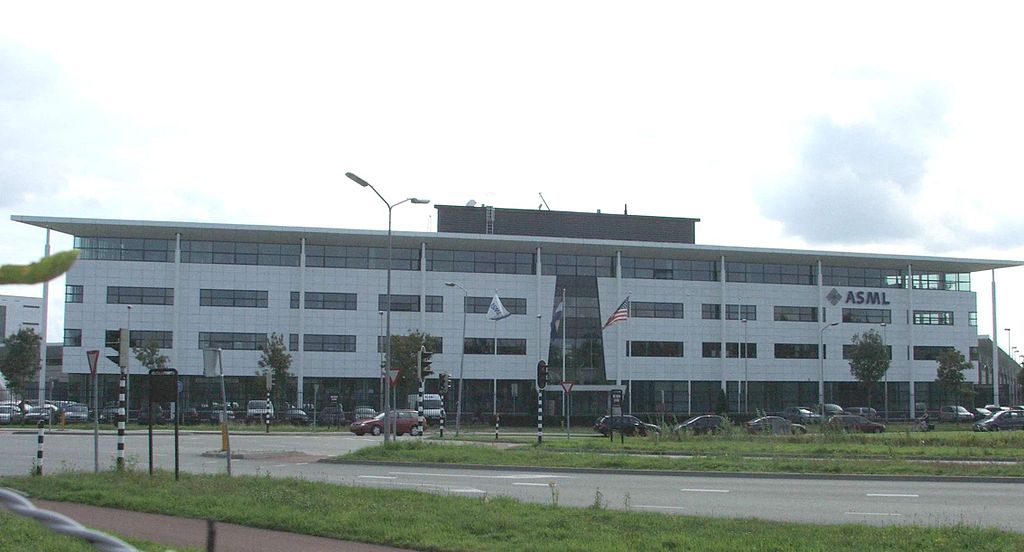
U.S. Commerce Secretary Howard Lutnick has reportedly raised concerns with Dutch semiconductor equipment giant ASML regarding the possible transfer of one of its advanced extreme ultraviolet (EUV) lithography machines to China, according to a Bloomberg News report.
The discussions took place during a series of meetings between Lutnick and ASML’s senior leadership. Sources familiar with the matter said the U.S. official questioned whether an EUV lithography system—considered among the most sophisticated chipmaking tools in the world—may have reached China despite strict export controls imposed by the United States and its allies.
ASML is the sole manufacturer of EUV lithography machines, which are essential for producing cutting-edge semiconductors used in artificial intelligence (AI), high-performance computing, smartphones, and advanced military technologies. Due to their strategic importance, the export of these systems to China has been heavily restricted under U.S.-led measures aimed at limiting Beijing’s access to advanced semiconductor manufacturing capabilities.
The reported concerns highlight ongoing tensions surrounding global semiconductor supply chains and technology export regulations. Washington has intensified efforts in recent years to prevent China from obtaining advanced chipmaking equipment, citing national security concerns. The restrictions have involved close cooperation with key allies, including the Netherlands and Japan, which are home to major semiconductor equipment suppliers.
While Bloomberg did not provide details on how the machine may have allegedly reached China, the issue underscores the challenges governments face in enforcing complex export control frameworks across the global technology industry.
ASML has remained a central player in the geopolitical battle over semiconductor technology. The company has been unable to sell its most advanced EUV systems to Chinese customers due to licensing restrictions, though it continues to supply certain less advanced chipmaking equipment to the country where permitted under current regulations.
The latest development could further intensify scrutiny of semiconductor exports as the U.S. seeks to strengthen enforcement of technology restrictions designed to curb China’s access to next-generation chip manufacturing tools.







