


 Wall Street Falls as Fed Minutes Signal Another Rate Hike
  Levi Strauss Beats Q3 Profit Estimates, Raises 2026 Outlook
  Broadcom, Oracle and SpaceX Seek Billions in Private Debt for AI Expansion
  Mexico Bars Dual Citizens From Presidential Races Starting in 2028
  TikTok Accused of Testing Fake Safety Tools on Users
  San Francisco Halts New Data Center Construction With 45-Day Moratorium
  Indian Stocks Fall as RBI Hikes Rates to 5.50%
  Crypto Market Selloff Wipes Out $100B as Bitcoin Falls Below $83K
  New York Declares Measles Disaster Emergency as Cases Surge
  TSA Removes Chairs for Airport ID Check Officers
  Robinhood Buys $25 Million in Bitcoin for Corporate Treasury
  Elon Musk Accuses Indian Telecom Giants of Blocking Starlink Launch
  US Pressures Allies to Distance From Anti-Disinformation Conference
  Dollar Near 18-Month High as Euro, Yen and Pound Weaken
  Micron Shares Rise 4% Despite Taiwan Strike Risk
  Israel Tightens Pilot Security After Flydubai Incident
  Mike Rogers Calls for End to US-Canada Tariff War


 Add as a preferred source on Google
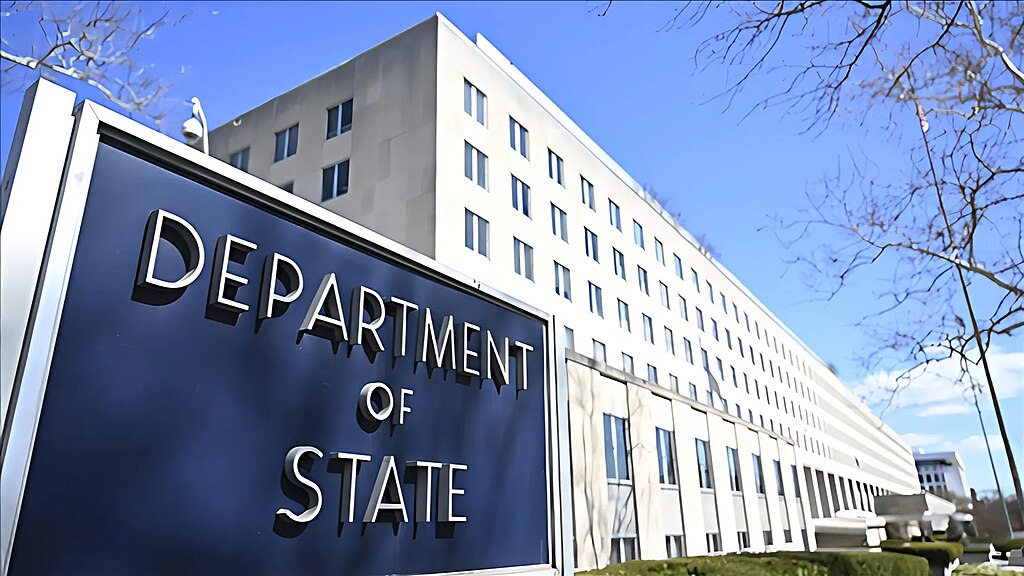
The U.S. Treasury Department has imposed new sanctions on Hengli Petrochemical (Dalian) Refinery Co., a major Chinese independent refinery, over its large-scale purchases of Iranian crude oil and petroleum products. The move comes as Washington and Tehran attempt to revive diplomatic negotiations, highlighting ongoing tensions surrounding Iran’s oil exports and global energy trade.
According to the Treasury’s Office of Foreign Assets Control (OFAC), Hengli Petrochemical has been identified as one of the biggest buyers of Iranian oil. In addition to targeting the refinery, U.S. authorities also sanctioned around 40 shipping companies and vessels linked to Iran’s so-called “shadow fleet,” which is used to transport oil despite international restrictions. These sanctions aim to disrupt Iran’s ability to export crude oil and limit its revenue streams.
This latest action follows earlier measures taken by the Trump administration against other Chinese “teapot” refineries, including Hebei Xinhai Chemical Group, Shandong Shouguang Luqing Petrochemical, and Shandong Shengxing Chemical. Those previous sanctions created operational challenges, such as restricted access to crude supplies and the need to rebrand refined products to continue sales.
Teapot refineries, which make up about 25% of China’s refining capacity, typically operate on thin profit margins that can sometimes turn negative. Recently, these independent refiners have also been dealing with declining domestic demand, adding further pressure to their business operations. The new sanctions could intensify these challenges, particularly by limiting access to Iranian crude oil.
Under U.S. sanctions, any assets linked to the designated entities within American jurisdiction are frozen, and U.S. individuals and businesses are prohibited from engaging in transactions with them. These restrictions have already discouraged some larger independent refiners from continuing to purchase Iranian oil.
China remains Iran’s largest oil customer, accounting for more than 80% of its shipped crude in 2025, according to data from analytics firm Kpler. The latest sanctions underscore the U.S. strategy to curb Iran’s oil exports while influencing global energy markets and geopolitical dynamics.







