


 China Extends Gold Buying Streak as Reserves Surge Despite Volatile Prices
  Fed Governor Lisa Cook Warns Inflation Risks Remain as Rates Stay Steady
  South Korea Assures U.S. on Trade Deal Commitments Amid Tariff Concerns
  RBI Holds Repo Rate at 5.25% as India’s Growth Outlook Strengthens After U.S. Trade Deal
  Trump Signs Executive Order Threatening 25% Tariffs on Countries Trading With Iran
  U.S. Stock Futures Slide as Tech Rout Deepens on Amazon Capex Shock
  Dollar Steadies Ahead of ECB and BoE Decisions as Markets Turn Risk-Off
  Global Markets Slide as AI, Crypto, and Precious Metals Face Heightened Volatility
  Asian Stocks Slip as Tech Rout Deepens, Japan Steadies Ahead of Election
  South Korea’s Weak Won Struggles as Retail Investors Pour Money Into U.S. Stocks
  Trump Endorses Japan’s Sanae Takaichi Ahead of Crucial Election Amid Market and China Tensions
  Oil Prices Slide on US-Iran Talks, Dollar Strength and Profit-Taking Pressure
  U.S.-India Trade Framework Signals Major Shift in Tariffs, Energy, and Supply Chains
  Dollar Near Two-Week High as Stock Rout, AI Concerns and Global Events Drive Market Volatility
  Bank of Japan Signals Readiness for Near-Term Rate Hike as Inflation Nears Target
  Gold Prices Slide Below $5,000 as Strong Dollar and Central Bank Outlook Weigh on Metals
  Thailand Inflation Remains Negative for 10th Straight Month in January


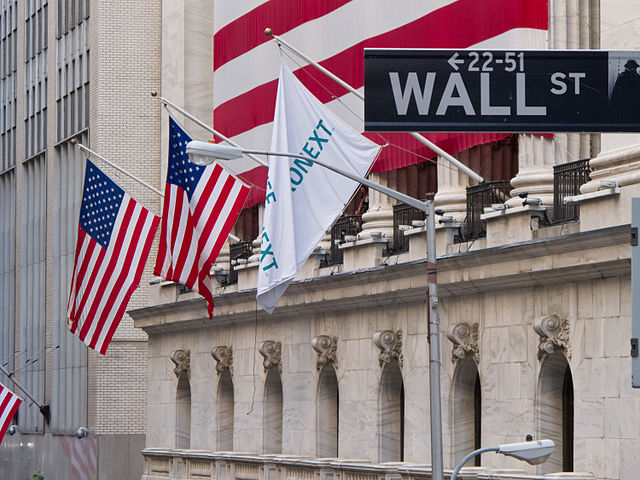
U.S. stock index futures traded mixed on Sunday evening as investors remained cautious toward technology and artificial intelligence stocks following disappointing guidance from major tech players. Concerns around the sustainability of the AI-driven rally intensified after weak outlooks from Broadcom and Oracle, prompting a broad sell-off in tech shares late last week.
As of late Sunday, S&P 500 futures were little changed near 6,830, Nasdaq 100 futures slipped nearly 0.2% to around 25,174, while Dow Jones futures edged up 0.1% to approximately 48,525. The muted performance reflects growing uncertainty among investors, particularly in high-growth technology names that have led market gains throughout the year.
Market sentiment deteriorated sharply on Friday after Wall Street endured a negative session dominated by losses in tech stocks. Semiconductor and AI-related companies were hit hardest, with Nvidia posting notable declines as investors reassessed lofty valuations tied to artificial intelligence expectations. Broadcom shares plunged more than 11% after the company warned of margin softness and indicated that meaningful returns from its data center partnership with OpenAI may not materialize until at least 2027. This announcement raised fresh doubts about near-term profitability across the AI supply chain.
Oracle also weighed heavily on sentiment after issuing underwhelming guidance and highlighting aggressive spending on AI data centers. The stock dropped more than 12% over the past week, as investors grew uneasy about the company’s capital intensity and its heavy reliance on OpenAI-related revenue commitments. Together, the outlooks from Broadcom and Oracle dampened enthusiasm for the AI trade and pressured the broader technology sector, including the so-called “Magnificent Seven.”
Despite tech weakness, losses across major U.S. indexes were partially cushioned by strength in non-tech sectors and dovish signals from the Federal Reserve. The S&P 500 fell 1.1% on Friday, while the Nasdaq Composite dropped 1.7% and the Dow Jones Industrial Average declined 0.5%.
Looking ahead, investors are focused on the upcoming U.S. consumer price index data for November, a key indicator that could influence interest rate expectations. Signs of easing inflation may boost hopes for additional Federal Reserve rate cuts, especially after the central bank recently lowered rates and signaled a data-dependent approach. The Fed’s plan to purchase $40 billion per month in short-term Treasuries has further reinforced a cautiously dovish outlook for monetary policy going into 2026.













