


 PBOC Scraps Forex Risk Reserve as Yuan Rally Pressures Chinese Exporters
  S&P Global Warns of Potential Downgrade for Berkshire’s PacifiCorp Over Oregon Wildfire Liabilities
  Dollar Hits Three-Month High as Middle East Conflict Drives Energy Prices and Market Volatility
  Oil Prices Surge After U.S.-Israel Strikes on Iran, Raising Strait of Hormuz Supply Fears
  Trump Offers U.S. Insurance and Naval Escort for Tankers as Strait of Hormuz Crisis Disrupts Global Oil Trade
  China Factory Activity Surges to Five-Year High as Demand Boosts Manufacturing PMI
  Japan Manufacturing PMI Jumps to Four-Year High as Global Demand Strengthens
  Wall Street Closes Mixed as Tech Stocks Rally Despite U.S.–Iran Escalation and Oil Price Surge
  Australia’s Economy Accelerates in Q4 2025 as Household Spending and Government Investment Rise
  South Korea Manufacturing PMI Rises for Third Month on Strong Semiconductor Demand
  Gold Prices Rebound in Asia as U.S.–Iran Tensions Support Safe-Haven Demand
  Bank of Japan Signals Further Interest Rate Hikes as Inflation Trends Toward 2% Target
  U.S.-Israel War on Iran Escalates as Gulf Conflict Disrupts Oil, Air Travel and Regional Security
  Rachel Reeves Signals Fiscal Discipline in UK Budget Update Amid Middle East Tensions
  Asian Stocks Tumble as US-Iran Conflict Escalates and Oil Prices Surge
  Dollar Rallies as Middle East Conflict Weighs on Yen and Euro, Lifts Safe-Haven Demand
  KOSPI Plunges Over 8% as U.S.-Iran War Sparks Global Risk Aversion and Profit-Taking


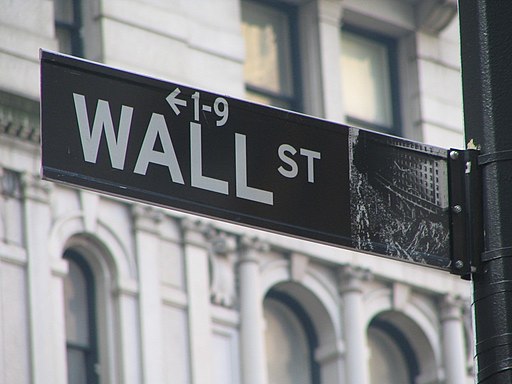
U.S. stocks closed sharply lower on Tuesday as investors grew increasingly worried that the escalating Middle East conflict could persist and drive higher inflation through surging oil prices. Market volatility increased throughout the session as geopolitical tensions between Israel and Iran intensified, raising concerns about potential disruptions to global energy supplies and trade routes.
Major U.S. indexes finished the day in negative territory, although they managed to recover from deeper losses earlier in the session. The Dow Jones Industrial Average dropped 403.51 points, or 0.83%, to close at 48,501.27. The S&P 500 declined 64.99 points, or 0.94%, ending at 6,816.63, while the Nasdaq Composite fell 232.17 points, or 1.02%, to settle at 22,516.69. Earlier in the day, the S&P 500 had fallen more than 2% before recovering some of those losses by the close.
Investors remain focused on the potential economic impact of the conflict, which has entered its fourth day and is beginning to affect energy infrastructure across the region. Israeli and U.S. forces reportedly struck targets inside Iran, prompting retaliatory attacks by Iranian forces across the Gulf and into Lebanon. Analysts say the widening conflict could threaten oil and gas production and disrupt key shipping lanes.
The Strait of Hormuz, a crucial maritime chokepoint responsible for roughly 20% of global oil consumption, has become a central concern for markets. Iran has threatened to attack vessels attempting to pass through the strait, while several Middle Eastern producers have temporarily halted energy production. As a result, global shipping rates and crude oil prices have surged.
Market experts say fears about rising energy costs could complicate central bank policy decisions, particularly as inflation pressures remain elevated due to tariffs and supply chain disruptions. Higher oil prices could also push U.S. Treasury yields higher, increasing uncertainty for investors.
The Cboe Volatility Index climbed to its highest closing level since November, reflecting heightened market anxiety. The S&P 500 also closed below its 100-day moving average for the first time since November 20, which some analysts view as a potentially bearish technical signal.
Despite the overall market downturn, some sectors showed resilience. Software stocks performed relatively well, with the S&P 500 software and services index rising 1.6%. Portfolio managers noted that the market’s reaction to the conflict has remained relatively controlled so far, suggesting that investor risk tolerance has not fully deteriorated.
Meanwhile, shares of private equity giant Blackstone fell 3.8% after its flagship credit fund BCRED experienced a spike in redemption requests, adding to concerns about tightening financial conditions.
Market breadth was notably weak. On the New York Stock Exchange, declining stocks outnumbered advancing stocks by a ratio of 4.1-to-1, with 137 new highs and 167 new lows recorded. On the Nasdaq, 1,262 stocks gained while 3,540 declined, reflecting continued investor caution.
Analysts advise investors to remain cautious as geopolitical tensions and energy market disruptions continue to evolve. With the possibility of prolonged conflict and rising oil prices, markets may remain volatile in the near term as traders assess the broader economic implications.













