


 Yaskawa Electric Shares Slide as Weak Profit Overshadows Strong AI Demand
  DOJ Subpoenas New York Times Journalists Over Air Force One Leak Report
  DOJ Grand Jury Investigates UAW President Shawn Fain Ahead of Union Election
  Venezuela Appoints Felix Plasencia to Lead Foreign Relations and Trade
  Samsung Q2 Profit Hits Record on AI Memory Boom as Shares Tumble
  EU Ministers Split as Support Grows for Ban on Trade With Israeli West Bank Settlements
  OpenAI Executive Fidji Simo to Step Down Amid Health Challenges Ahead of IPO
  Australia Flags Child Safety Gaps at Apple, Meta, Google Over Online Sexual Extortion
  Iran's Supreme Leader Vows Revenge as Trump Threatens Massive U.S. Military Response
  Vietnam’s population hit the 100 million milestone. Where’s it headed?
  Brazil to Phase Out Gasoline Subsidy First as Diesel Support Stays Longer
  Trump Recommends Darline Graham for Interim South Carolina Senate Seat
  Zelenskiy Plans Ukraine Government Shake-Up as Prime Minister Svyrydenko Set to Step Down
  Muji Owner Ryohin Keikaku Stock Soars After Raising Full-Year Earnings Forecast
  China 618 Smartphone Sales Drop 13% as Higher Prices Hurt Demand, Huawei Gains Market Share
  Brazil Court Bars Flavio Bolsonaro From Visiting Jair Bolsonaro Ahead of Election
  Israel Sets October 27 Election as Netanyahu Faces Tough Political Test


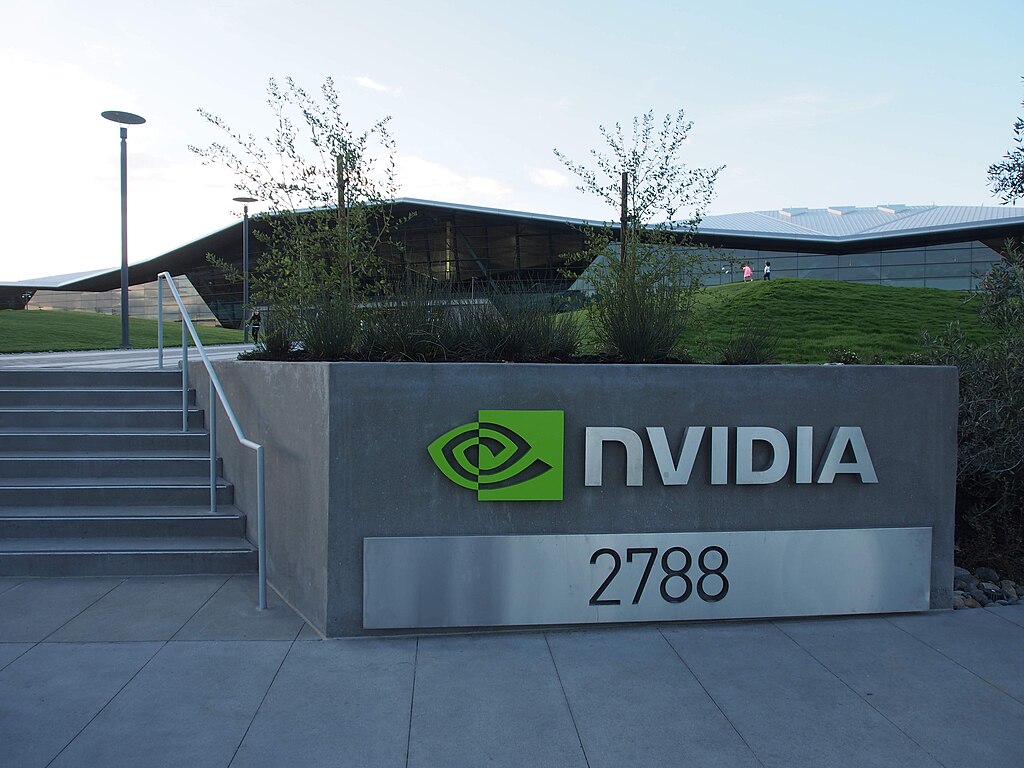
The U.S. Department of Commerce has introduced new restrictions aimed at closing a potential loophole in the export of advanced artificial intelligence chips to Chinese companies. The move is expected to affect major semiconductor firms including Nvidia (NASDAQ: NVDA) and AMD (NASDAQ: AMD), while further intensifying the ongoing technology competition between the United States and China.
According to a notice issued by the Commerce Department’s Bureau of Industry and Security (BIS), companies seeking to export advanced AI processors to organizations ultimately headquartered in China must now obtain a special license. The policy is designed to prevent Chinese firms from accessing cutting-edge AI chips through overseas subsidiaries, a route that may have allowed them to bypass existing U.S. export controls.
The latest action follows concerns that advanced AI hardware from Nvidia and AMD could have reached Chinese-linked entities operating outside mainland China. Analysts suggest that this gap in enforcement may have existed for several months, despite broader restrictions already targeting direct chip sales to China.
The United States has steadily expanded controls on advanced semiconductor exports as part of efforts to limit China’s access to technologies that could strengthen its artificial intelligence and high-performance computing capabilities. Restrictions originally introduced under the Biden administration were later tightened, while some policies were adjusted under the Trump administration.
More recently, Nvidia received approval to sell certain AI chips to a limited number of authorized customers. However, reports indicate that only a small volume of transactions has taken place under those approvals. The new licensing requirements are expected to further limit opportunities for Chinese companies to acquire advanced AI processors through indirect channels.
Meanwhile, China continues to accelerate efforts to build a self-sufficient AI ecosystem. Domestic technology companies, including Huawei, have increased investments in AI chip development and alternative computing infrastructure. Chinese AI startup DeepSeek recently claimed that its newest artificial intelligence models were designed to operate efficiently on Huawei-powered hardware, highlighting the country’s growing focus on reducing dependence on foreign semiconductor technology.
The updated U.S. policy underscores Washington’s commitment to maintaining tighter control over advanced AI chip exports while increasing pressure on Chinese firms seeking access to leading-edge semiconductor technology.







